
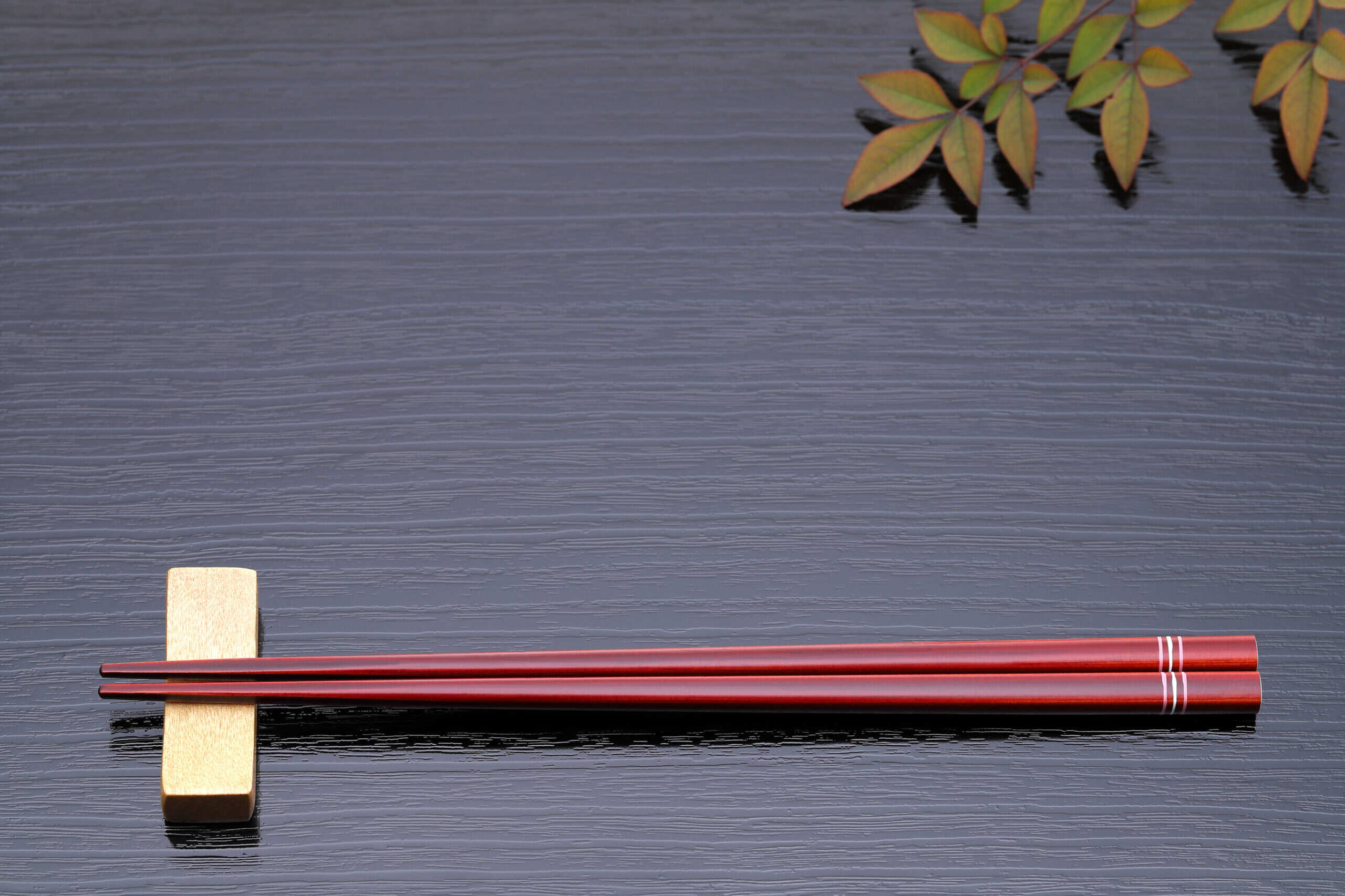
Chopsticks might seem simple, but in Japan, they’re much more than just a way to eat. They're part of a deeper cultural dining experience. Whether you’re enjoying sushi at home, dining out, or visiting Japan someday, knowing a few key points of chopstick etiquette can help you show respect, avoid faux pas, and feel more confident at the table.
Let’s dive into the essential do’s and don’ts of chopstick use in Japan. Plus a few of my favorite tools to elevate your dining setup.
Jump to:
✅ Chopstick Do’s in Japan
Here are some good habits to practice when using chopsticks
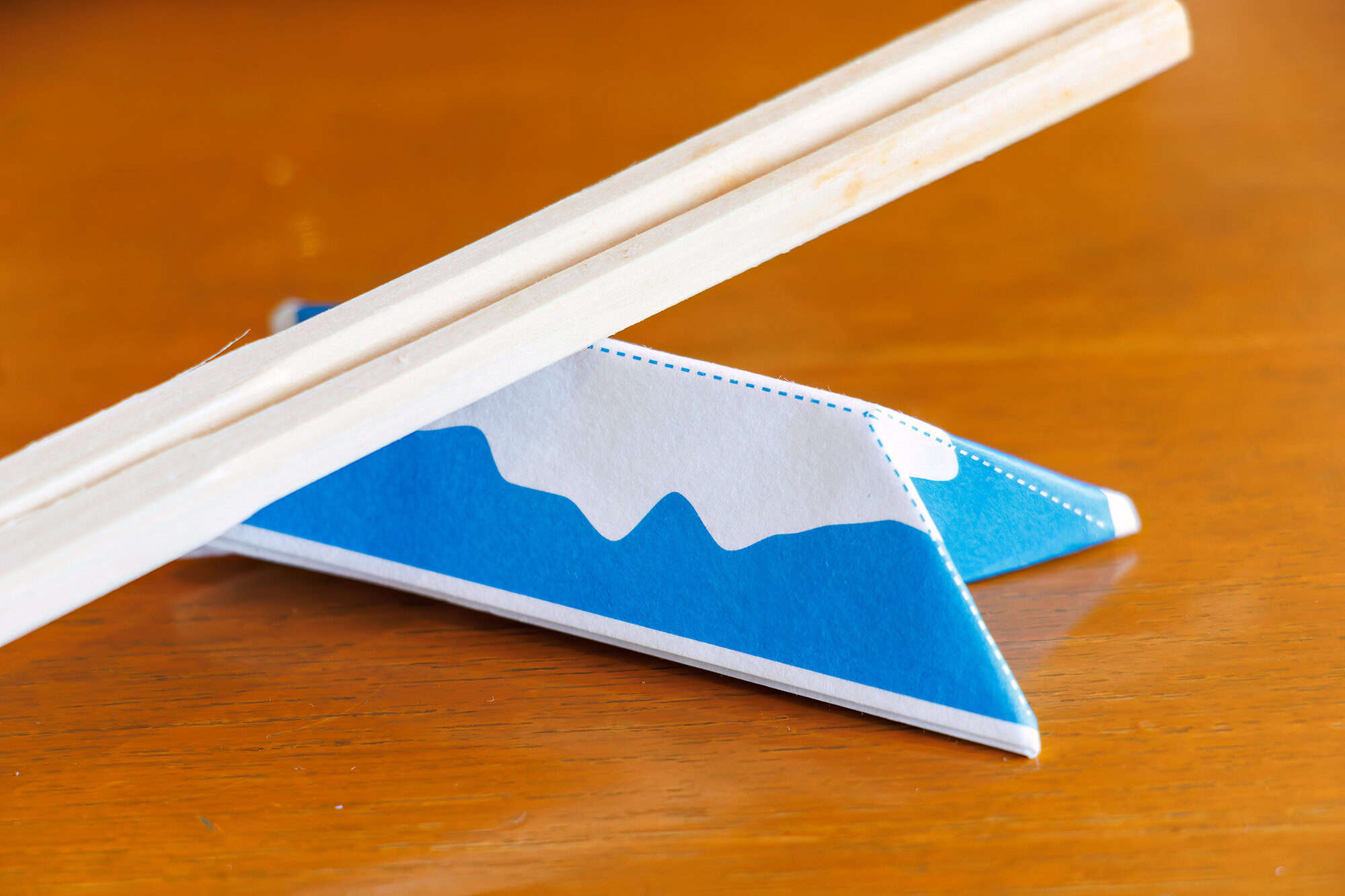
- Use a Chopsticks Rest (Hashioki) - When you're not eating, place your chopsticks neatly on a hashioki, which are small objects, often made from ceramic, wood, or other materials, designed to hold the tips of chopsticks off the table. The word comes from hashi (chopsticks) and oki (to place). It keeps the tips clean and shows care for the meal. You can even do this with disposable chopsticks by folding the paper wrapper into a simple stand.
- Hold Your Chopsticks Near the End - Holding your chopsticks too close to the tips can come across as unrefined or childlike. For better control and a more polished appearance, aim to hold them around the upper third. That said, don't worry too much if you're still new to chopsticks. Practice makes perfect!
- Use the Opposite Ends for Shared Plates - If you're eating with a group and sharing dishes, it’s polite to flip your chopsticks and use the clean ends to serve yourself. It’s a small gesture that shows thoughtfulness and keeps things more sanitary. That said, when you're with close friends or family, it's often more relaxed.
- Wait Before Eating - This isn't strictly a chopsticks rule, but In formal settings, wait until everyone is served and someone says "Itadakimasu" before you start to dig in. Typically the highest ranking person or most honored guest is the one to begin.
🚫 Chopstick Don’ts (Avoid These Faux Pas)
Some gestures that seem harmless outside of Japan can actually carry serious cultural meaning. Here’s what not to do:
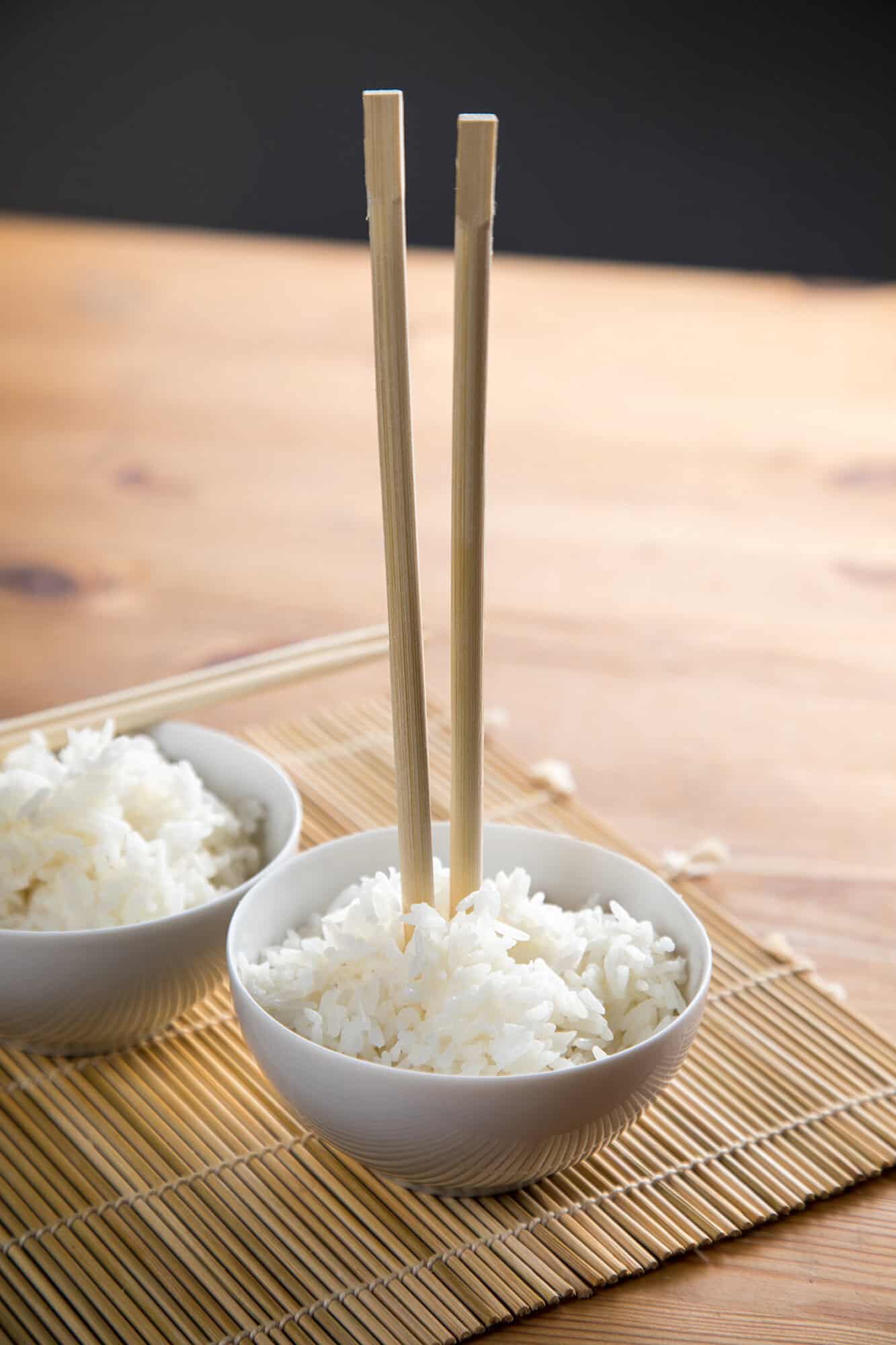
- Don’t Stick Chopsticks Upright in Rice - This resembles a funeral ritual where chopsticks are placed vertically in a bowl of rice as an offering to the dead. It's one of the biggest chopstick taboos in Japan.
- Don’t Pass or "Cheers" Food Chopstick-to-Chopstick - This is another reference to funeral customs, where bones are passed between family members during cremation ceremonies. If you’re sharing food, it's best to transfer food using a separate plate or place it directly onto their plate.
- Don’t Point or Gesture with Chopsticks - Avoid waving, pointing, or tapping with your chopsticks. It can come off as rude or aggressive.
- Don’t Spear Your Food - Even if a piece of food is slippery or oversized, avoid the temptation to stab it, especially with a single chopstick. Instead, it’s fine to ask for other utensils, or simply take a bite while it's on the bowl or plate (small, personal plate that is). Kids who are still learning chopsticks usually get a pass on this one.
- Don’t Lick or Suck on Your Chopsticks - Not only is it considered bad manners, it also looks pretty strange at the table.
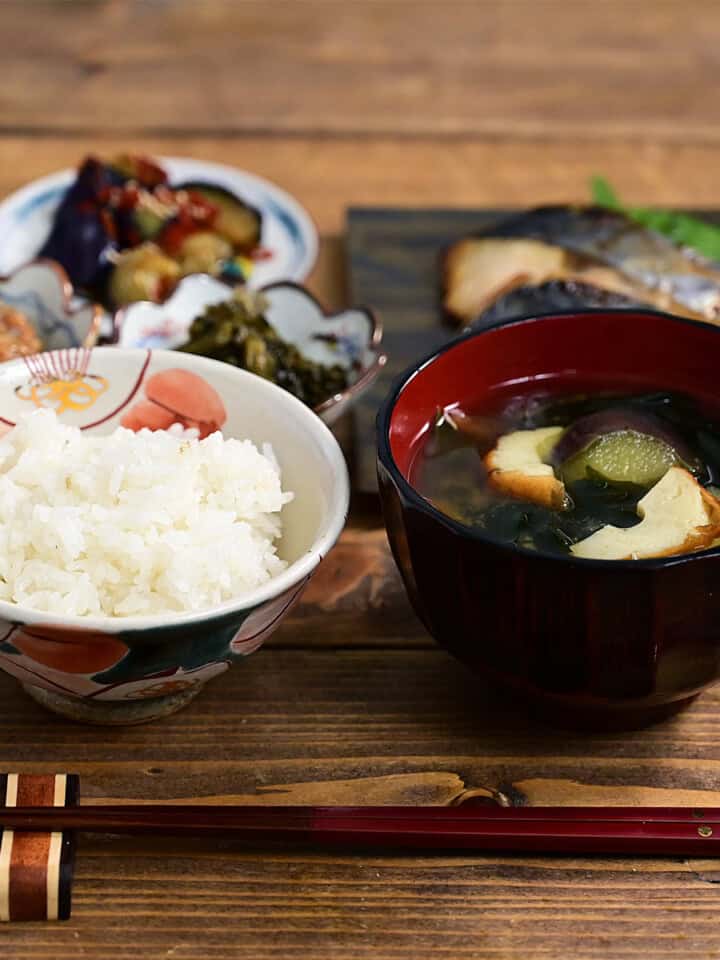
- Don’t Cross Your Chopsticks When Resting Them - Just like the upright-in-rice taboo, crossed chopsticks symbolize death or bad luck in Japanese culture. Always rest them neatly, side by side on a holder.
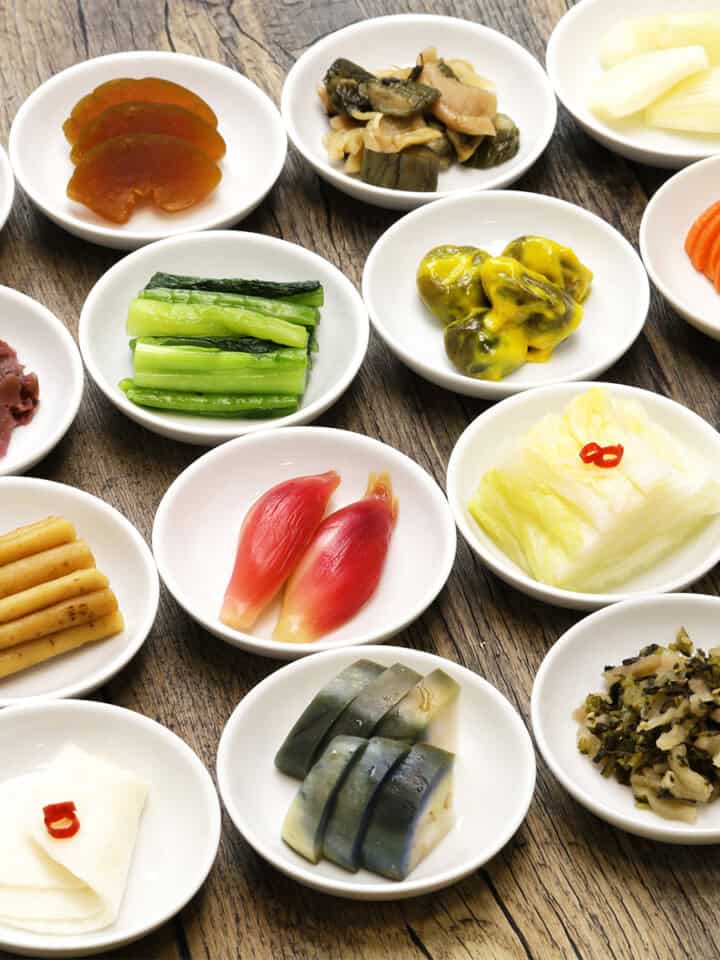
- Don't Move Bowls or Plates with Chopsticks - Many Japanese meals come with small side dishes, like tsukemono (pickled vegetables). While it might be tempting to pull a dish toward you using your chopsticks, this is considered poor manners and something to avoid.
- Don't Be Indecisive with Your Food - Avoid hovering your chopsticks indecisively over the food like a crane game. This can come across as rude and seen as poor manners. Instead, decide what you’d like to pick up before reaching in.
🛍️ Chopstick Essentials I Recommend
Looking to upgrade your setup at home or give someone a beautiful gift? Here are a few of my top picks:
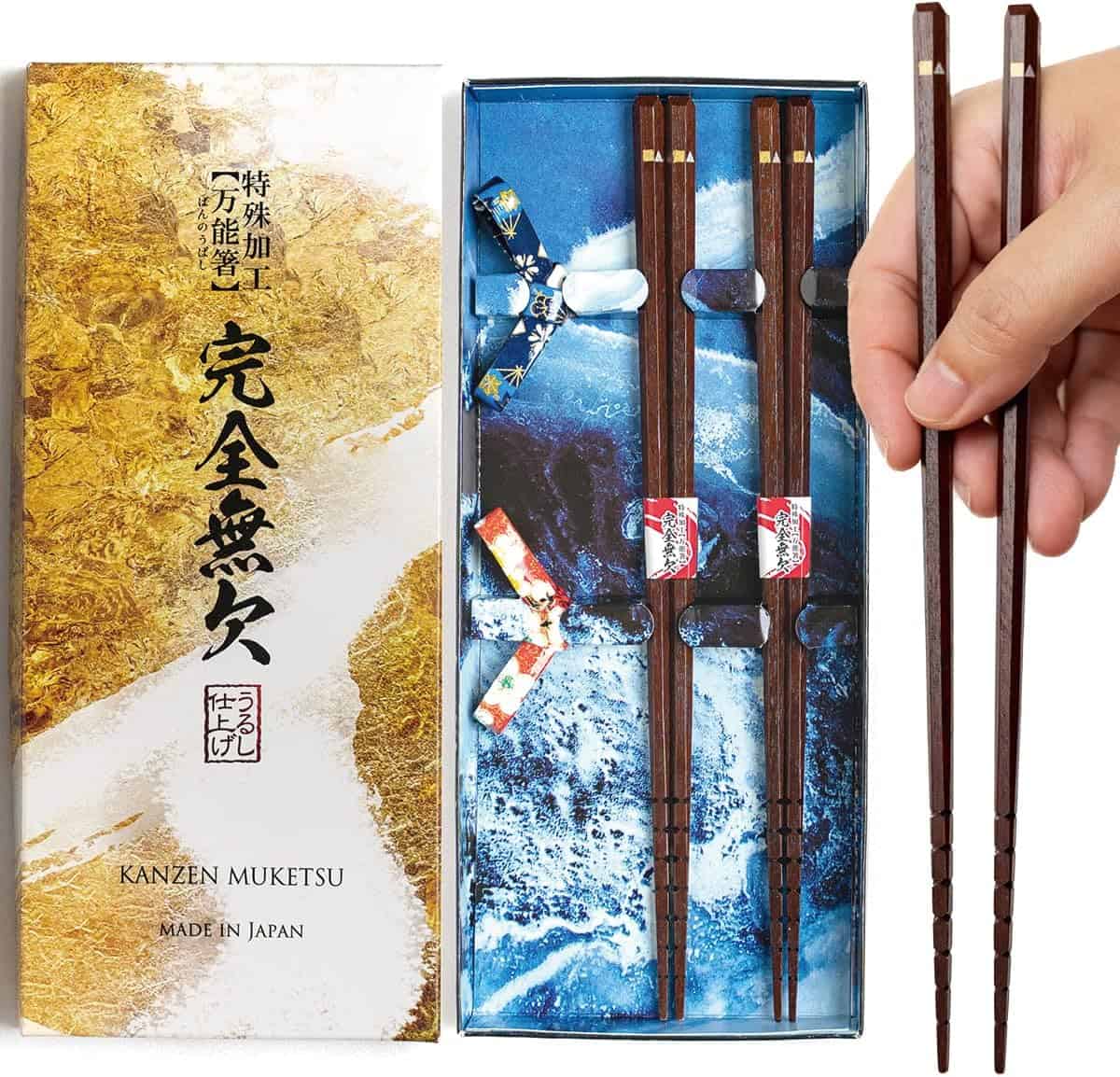
- Handcrafted Japanese Chopsticks - A good pair makes all the difference. I recommend ones with a slightly textured tip for better grip—great for noodles, tofu, and sushi.
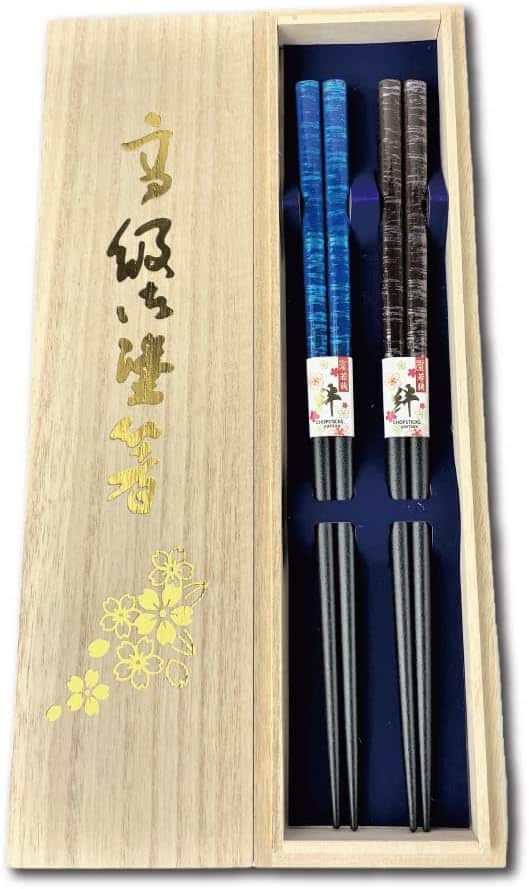
- Chopstick Rests (Hashioki) - These add charm to the table and keep things tidy. You can find beautiful seasonal designs like cherry blossoms, animals, or even tiny sushi pieces.
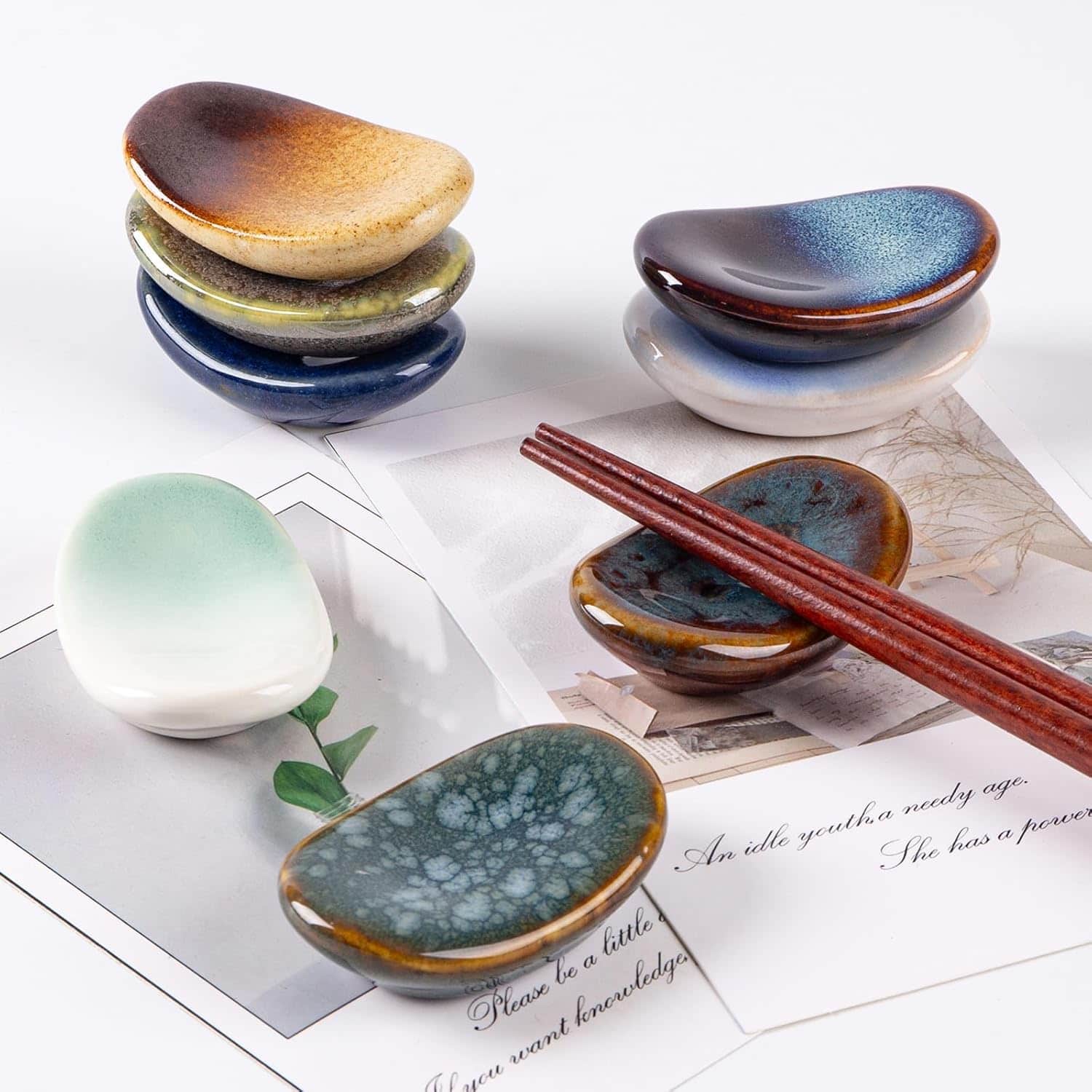
- Gift Set: Chopsticks + Rests - A thoughtful and practical gift for any Japanese food lover or home chef. Elegant, simple, and meaningful.
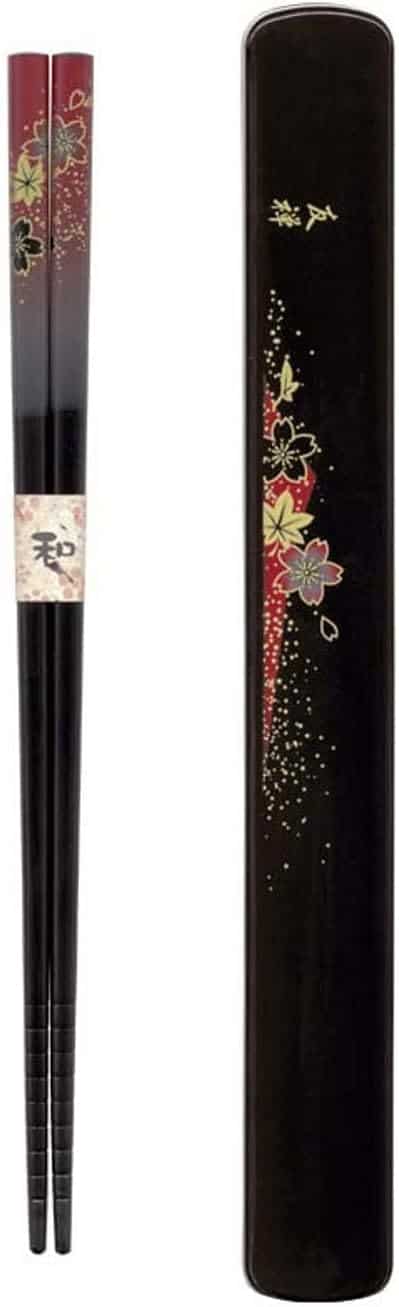
- Travel Chopstick Set (with Case) - Great for lunch on the go, eco-conscious living, or picnics. I like the ones that come with a washable case and utensil set.
🥢Final Thoughts
Chopstick etiquette may seem subtle, but it reflects a lot about Japanese culture: cleanliness, respect, and mindfulness. With just a few easy tips and the right accessories, you’ll not only look like a pro but also show appreciation for the traditions behind the meal.
And don’t worry if you make a mistake, Japanese hosts are usually very forgiving. Just be respectful, take your time, and enjoy the food.
Leave a Reply