
If you're new to making sushi at home, the Philadelphia roll is a great place to start. Made with smoked salmon, cream cheese, and cucumber, it's a beginner-friendly, kid-approved sushi roll with ingredients you can easily find at your local grocery store.
In this guide, I'll show you how to make a classic Philadelphia roll, along with two fun variations topped with smoked salmon or avocado. Once you've got the basic rolling technique down, you'll see just how easy it is to change things up!

Jump to:
❤️ What Makes a Philadelphia Roll Special?
We all know smoked salmon and cream cheese are a great combination. And the popularity of the Philadelphia roll proves that cream cheese isn't just a bagel MVP, it shines in makizushi (sushi rolls) too!
The smoky flavor of the salmon, rich and creamy texture of the cream cheese, and fresh crunch of the cucumber make for a delicious combination that's mild enough for sushi beginners.
But one of the best things about the Philadelphia roll is how easy it is to find the ingredients.
Finding fresh, quality fish for sushi can be challenging, especially here in the States. Smoked salmon, on the other hand, is available at most grocery stores, making the Philly roll one of the easiest sushi rolls to try at home.
🥑 Ingredients for Philadelphia Roll
The classic Philadelphia roll only needs a handful of ingredients, most of which you can find at your local grocery store. We'll also use a little extra smoked salmon and some avocado for the two variations.
For the Rolls:
- 2 cups (400g) prepared sushi rice (cooked and seasoned)
- 3 half-sheets of nori (dried seaweed)
- 6-8 oz thinly sliced, cold-smoked salmon
- 2-3 oz cream cheese
- 4-inch section of English or Japanese cucumber
- 1 avocado (for the variations)
Optional Toppings and Condiments:
- Spicy mayo
- Unagi sauce
- Toasted sesame seeds
- Kizami wasabi (chopped wasabi marinated in soy sauce)
- Soy sauce, pickled ginger, and wasabi, for serving
👩🍳 Preparation
The first thing you'll want to do is prepare your sushi rice, since that takes the longest. If you need a refresher, check out my How to Make Sushi Rice guide. I usually start cooking the rice and prep the other ingredients while it's cooking.
Cucumber
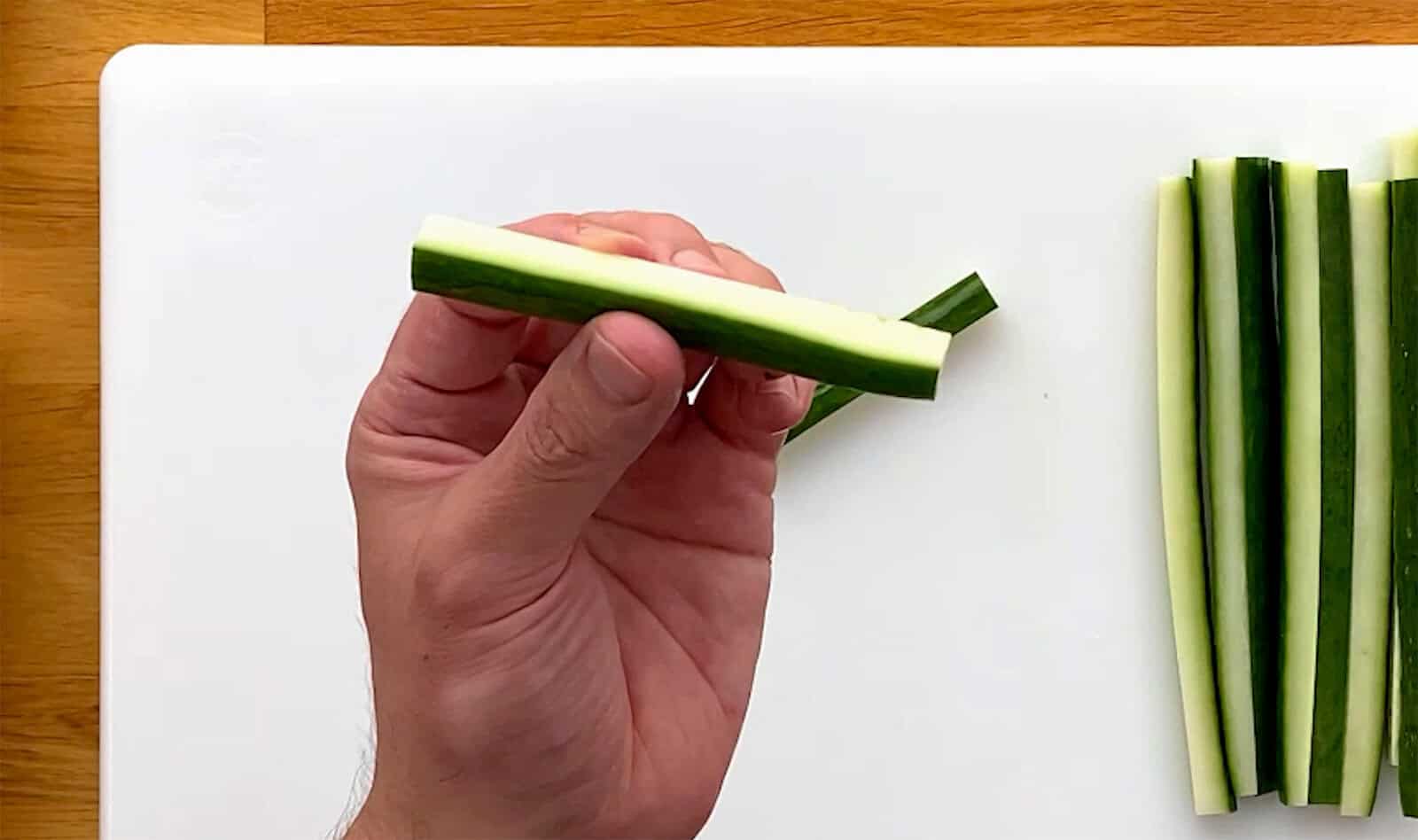
- Cut the cucumber into roughly ½-inch wide sticks, removing the soft, seedy center.
- If you want to try something a little more advanced, you can also use the katsuramuki technique (thin rotational peeling). Check out my cucumber cutting tutorial if you'd like to learn how.
Avocado
- Cut the avocado in half, carefully remove the pit, and peel the skin.
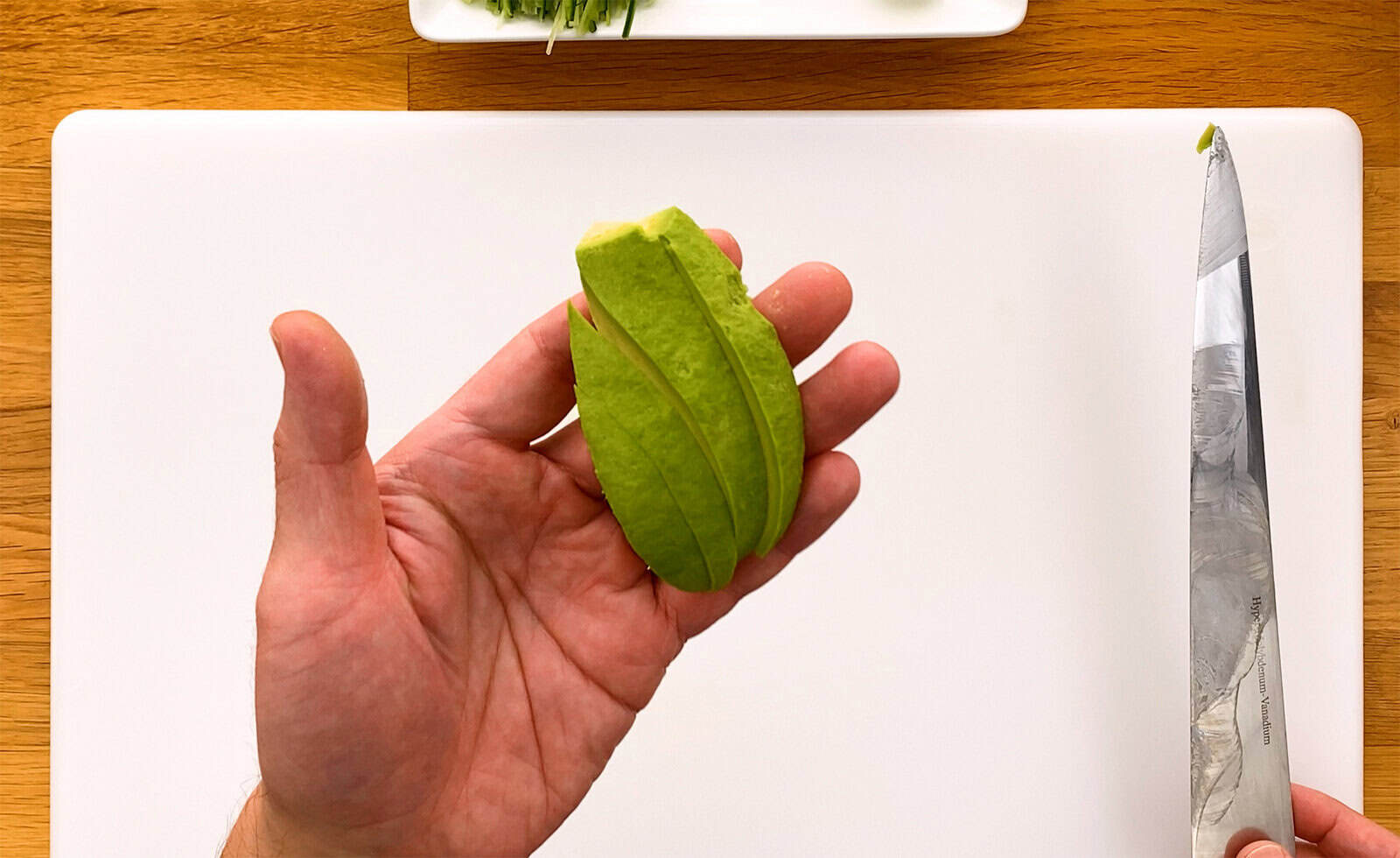
- Cut one half of the avocado in half again, then slice one of those pieces into roughly ½-inch thick slices. These will go inside the smoked-salmon-topped variation.
- Save the other half for the avocado-topped roll. We'll cut it into thin slices just before adding the topping to help minimize discoloration. You can watch my avocado cutting tutorial for a demonstration.
Cream Cheese
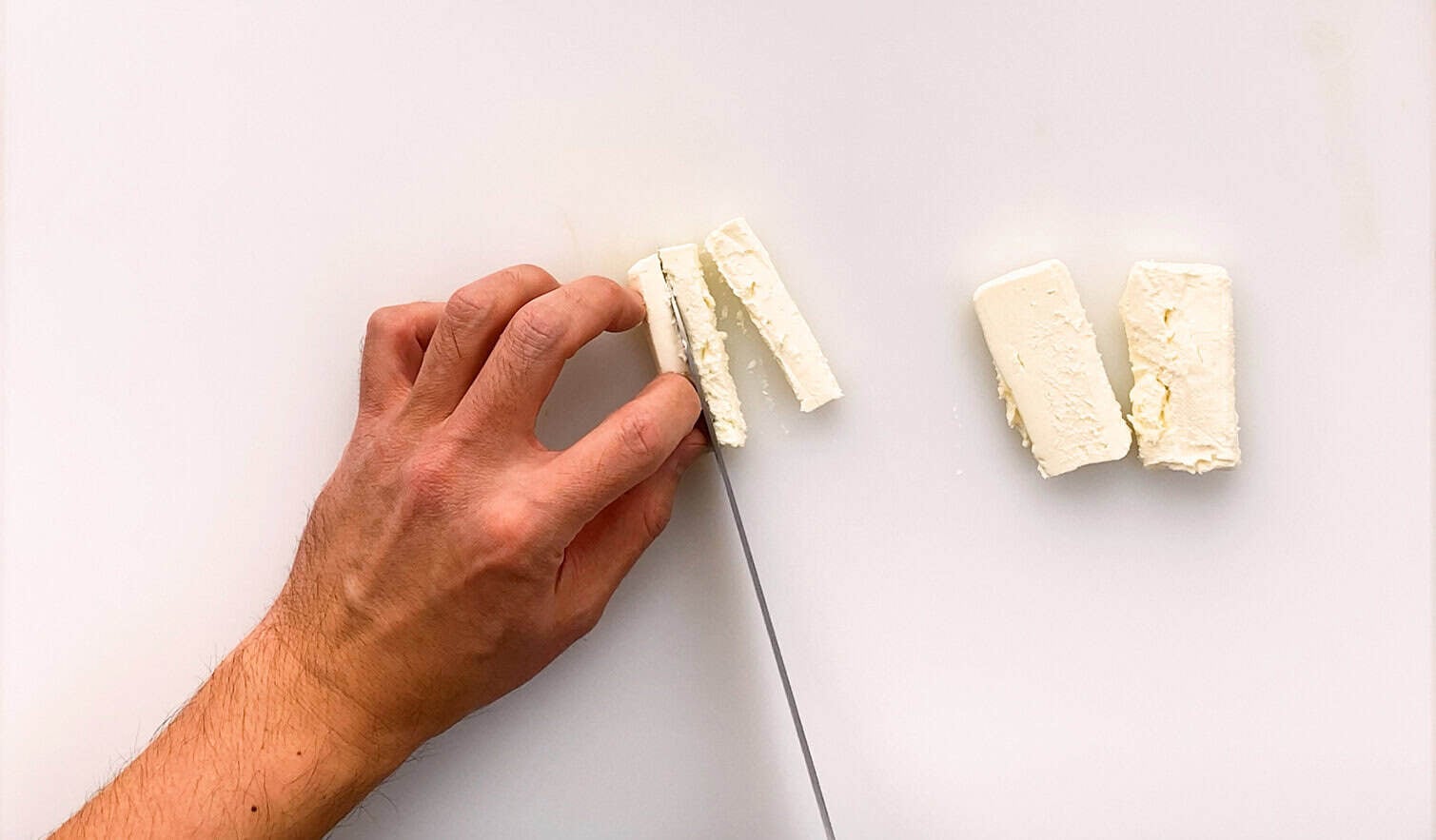
- Cut three roughly ½-inch thick slices crosswise from the short end of a standard block of cream cheese, one for each roll.
- Cut each piece lengthwise into thirds to make small sticks that fit across the nori.
Now let's get rolling! 😉
🍣 Rolling the Philadelphia Rolls
All three rolls are made as uramaki (inside-out rolls), which means the rice is on the outside and the nori (seaweed) is on the inside.
We'll start with the classic Philadelphia roll to learn the basic technique, then use that same method to make two fun variations.
Step 1: Preparing the Makisu
Since the rice is on the outside, you'll want to wrap your makisu (bamboo rolling mat) in plastic wrap to prevent the rice from sticking.
If you're not sure how to do this, I demonstrate how to wrap a makisu at the beginning of my How to Roll Sushi video.
Step 2: Preparing the Nori and Rice
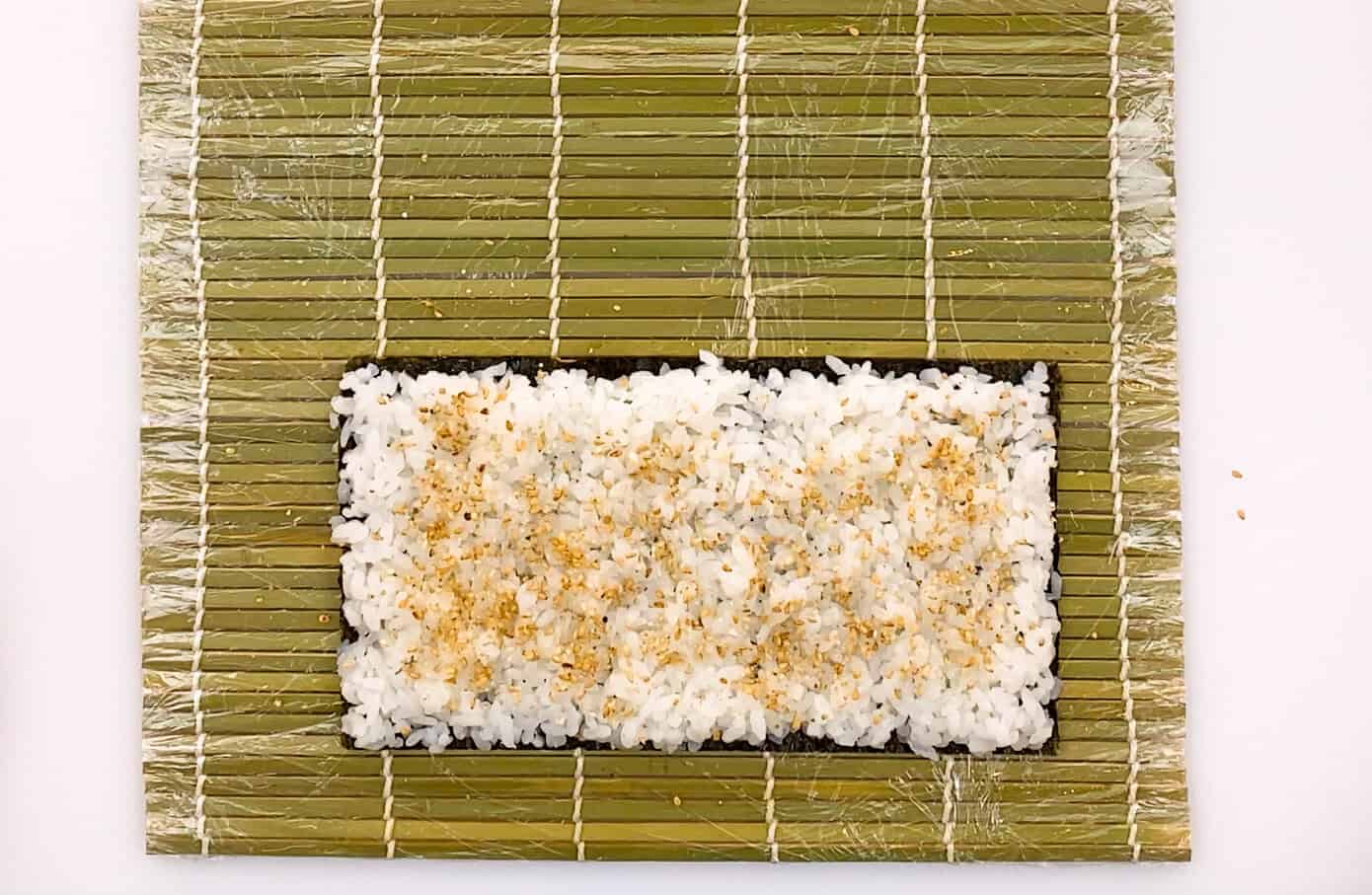
- Place a half-sheet of nori horizontally on your makisu, rough side facing up, leaving about an inch of space between the bottom of the nori and the bottom of the mat.
- Lightly wet your hands with cold water to prevent the rice from sticking.
- Grab a ball of prepared sushi rice, roughly the size of an apple, and spread it evenly across the nori, reaching all the way to the edges and corners. Try not to press too hard or squish the rice.
- Sprinkle some toasted sesame seeds over the rice (optional), then flip the nori over so the rice is facing down.
Step 3: Adding Fillings and Rolling
Roll #1: Classic Philadelphia Roll

This is your classic Philadelphia roll with smoked salmon, cream cheese, and cucumber on the inside.
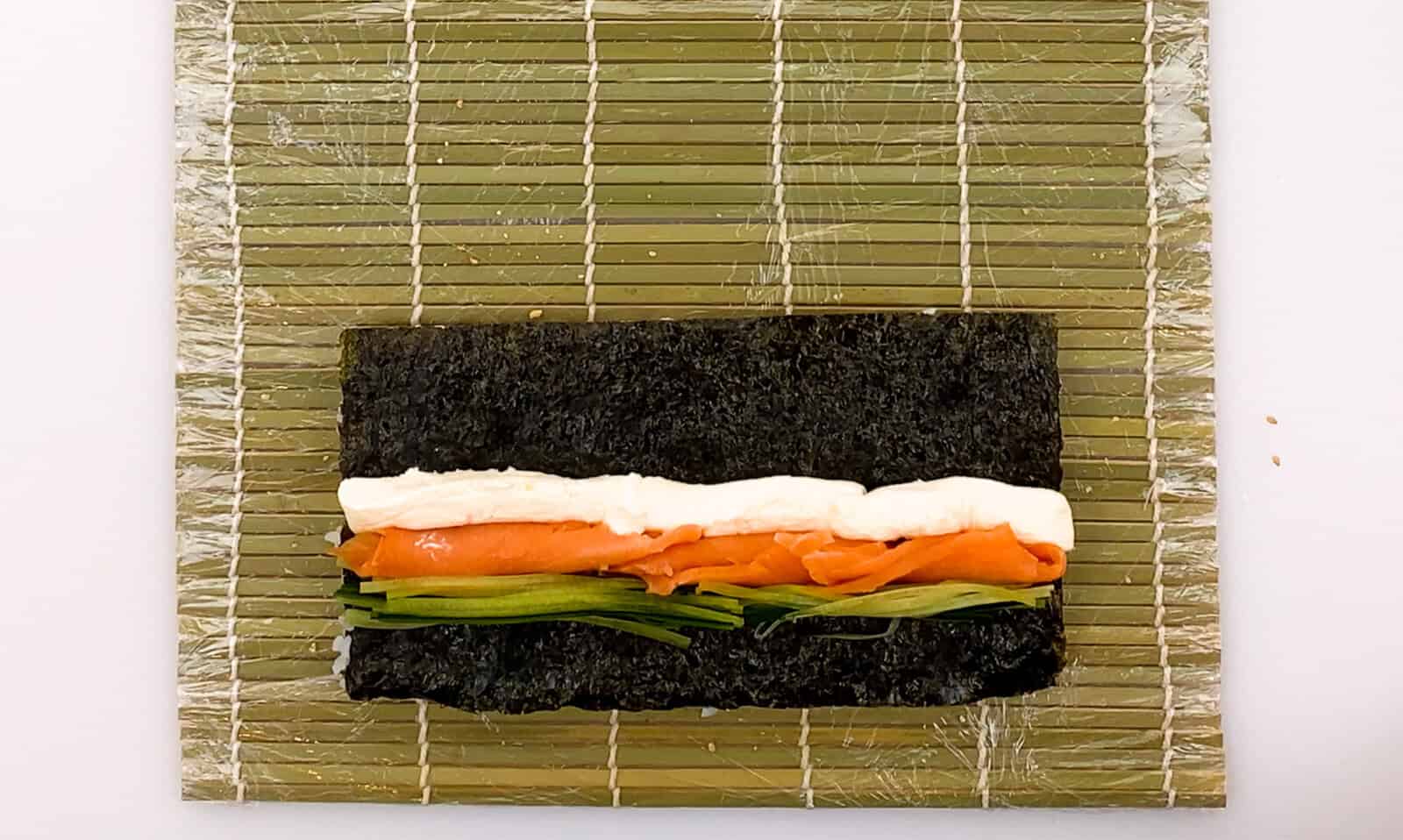
- Arrange the smoked salmon, cream cheese, and cucumber across the middle of the nori, from one end to the other. Be careful not to overstuff the roll with fillings. A little goes a long way, especially with cream cheese!
- Using your thumbs, lift the bottom of the makisu up and over the fillings while holding them in place with your forefingers.
- Continue rolling until the nori wraps around the fillings. Then, pull the far end of the makisu away from you while supporting the roll with your other hand. This helps tighten everything up so the fillings don't fall out.
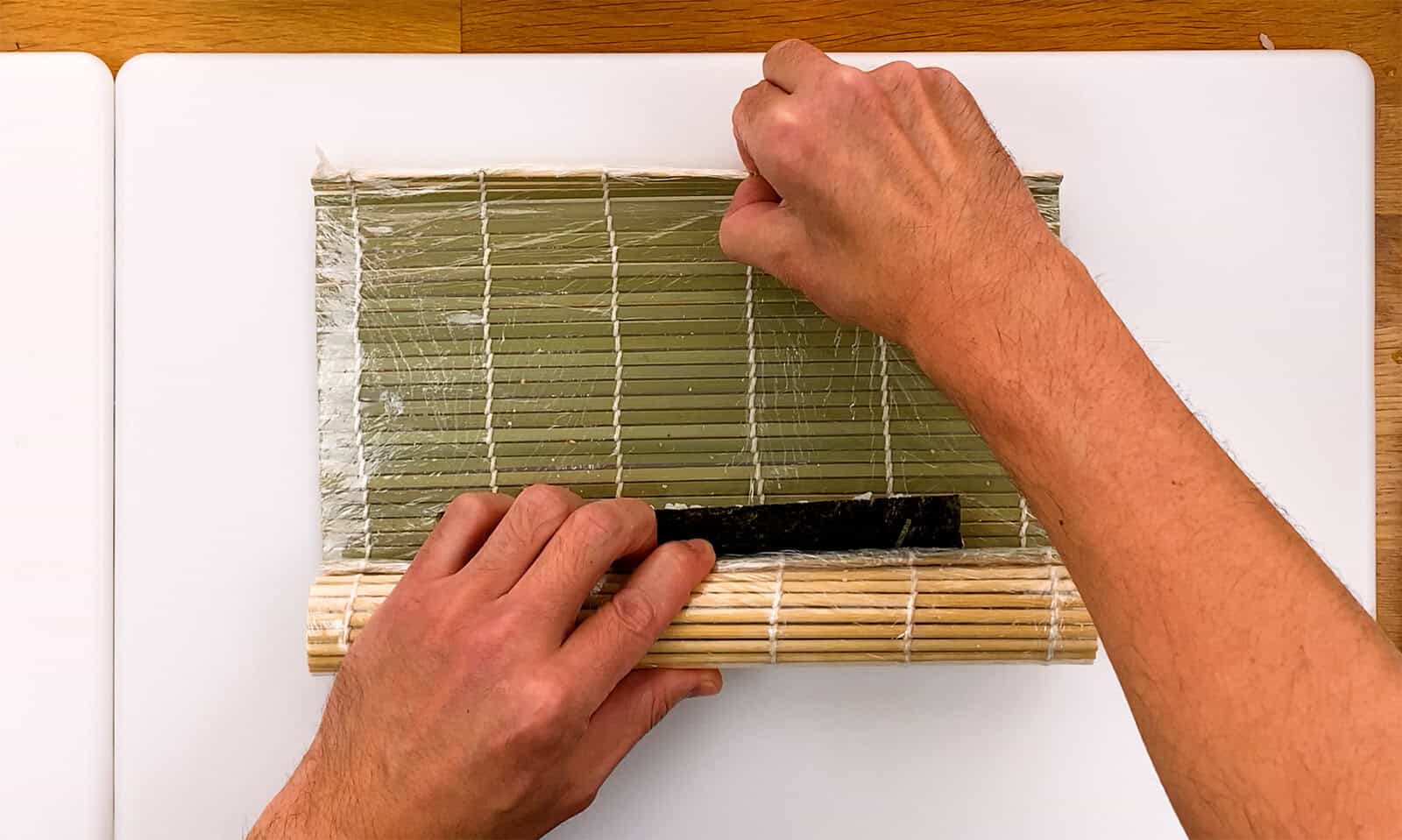
- Gently apply even pressure with the makisu to shape the roll.
- Press in the ends of the roll to clean up the edges.
And there you have it, your first Philadelphia roll!
If you're not cutting it right away, you can wrap it in plastic to keep the rice from drying out and also help maintain its shape.
Roll #2: Smoked Salmon on Top

Now that you've made the classic roll, let's change things up a bit!
For this variation, we'll move the smoked salmon from the inside to the outside, giving the roll a completely different look.
- Prepare the nori and rice just as you did for the classic roll.
- Add cream cheese, cucumber, and the thicker avocado slices across the middle of the nori.
- Roll and shape using the same technique as Roll #1.
- Layer the smoked salmon slices over the top and sides of the roll, slightly overlapping each piece to cover the rice. Leave the bottom uncovered.
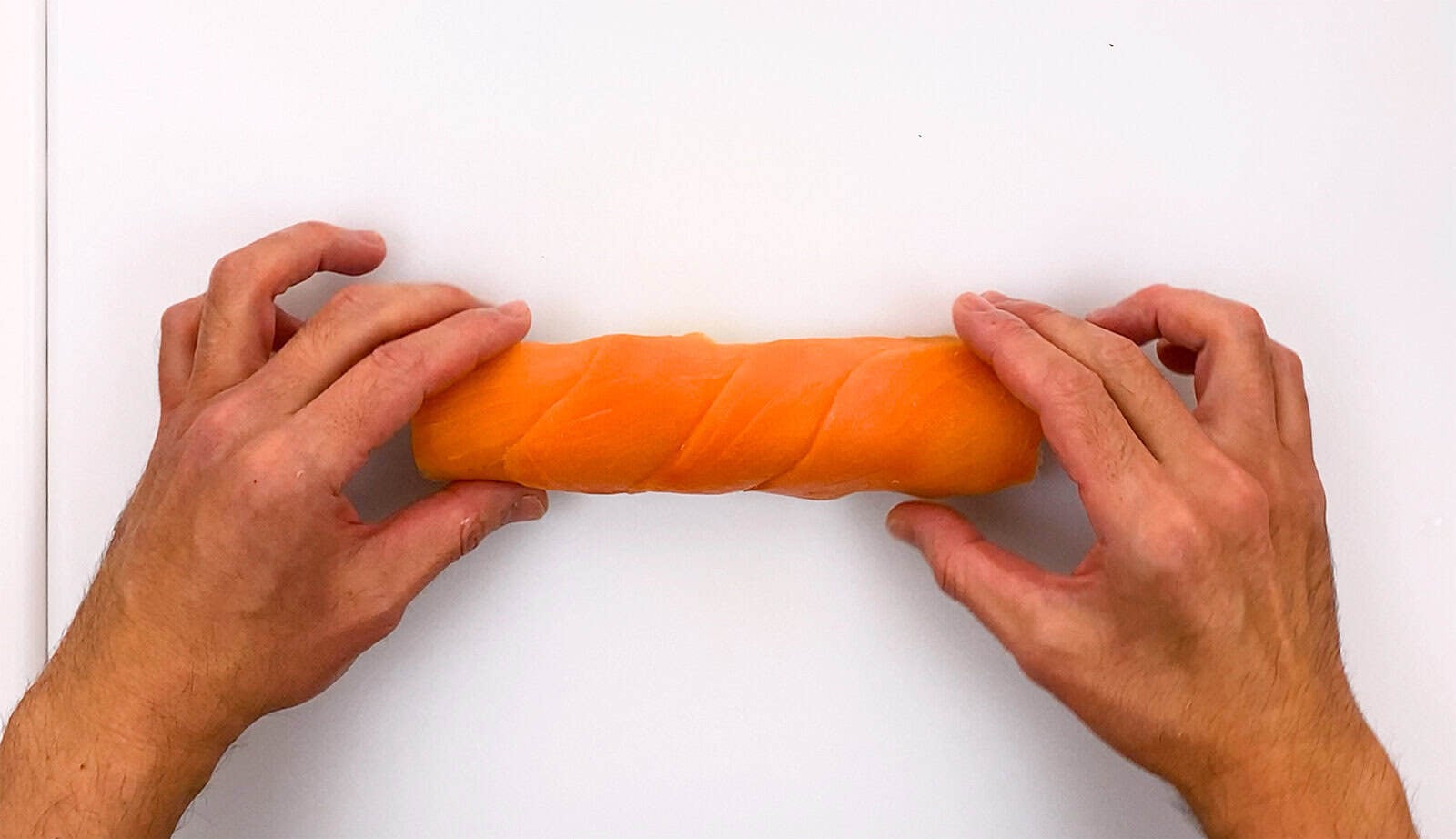
- Use your plastic-wrapped makisu to gently press and shape the roll again, helping the salmon adhere to the rice.
Wrap the roll in plastic if you're not cutting it right away.
Roll #3: Avocado on Top

For our last variation, we're going back to the classic smoked salmon, cream cheese, and cucumber filling, but this time we'll add a layer of avocado on top.
- Prepare the nori and rice, then add the smoked salmon, cream cheese, and cucumber across the middle.
- Roll and shape using the same technique as Roll #1.
- Cut the reserved avocado half into thin, roughly ⅛-inch slices.
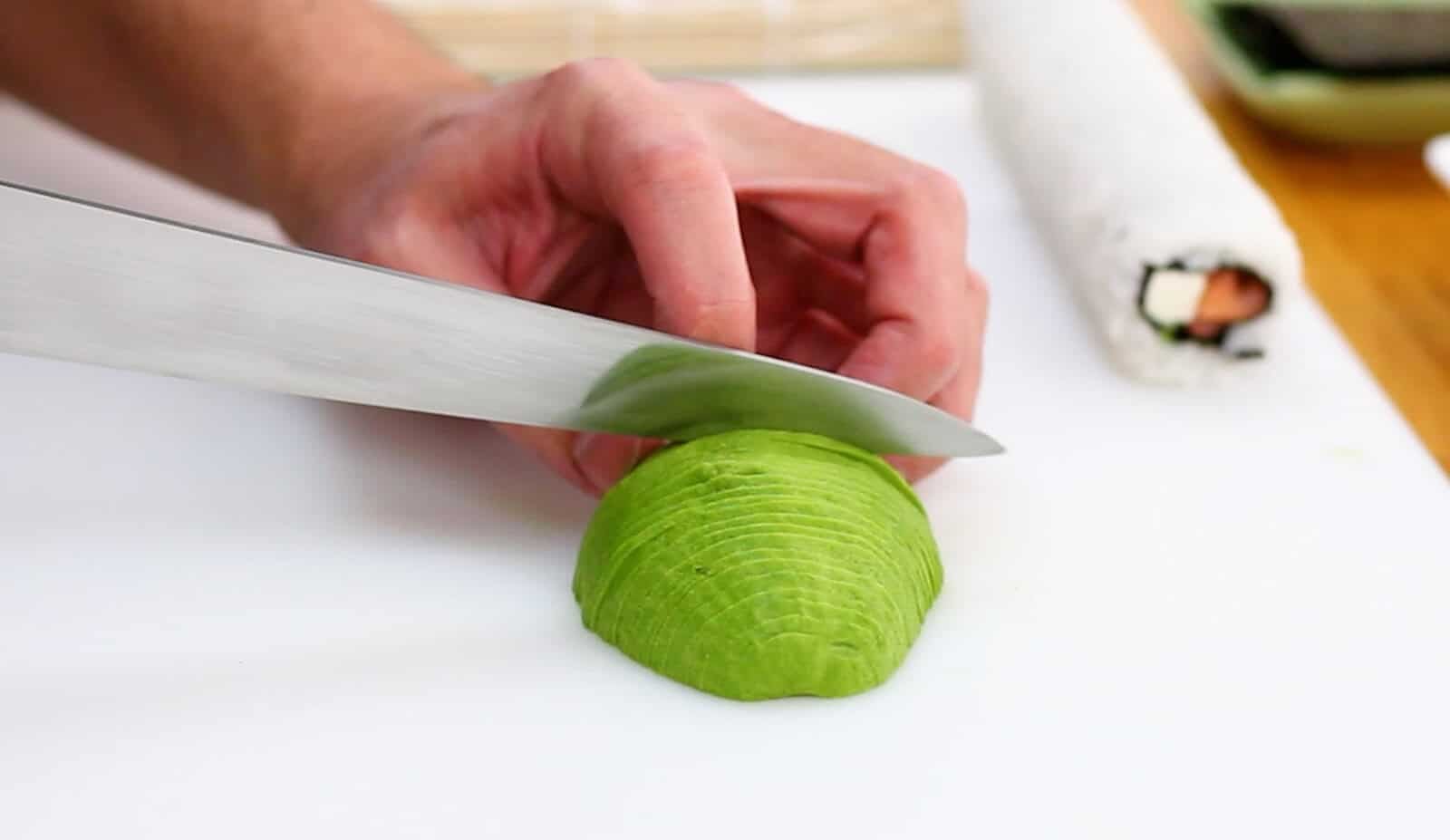
- Carefully spread the avocado slices into a row that's about the same length as your roll.
- Slide your knife underneath the avocado slices and carefully transfer them onto the top of the roll. Take your time when removing the knife so the slices stay in place.
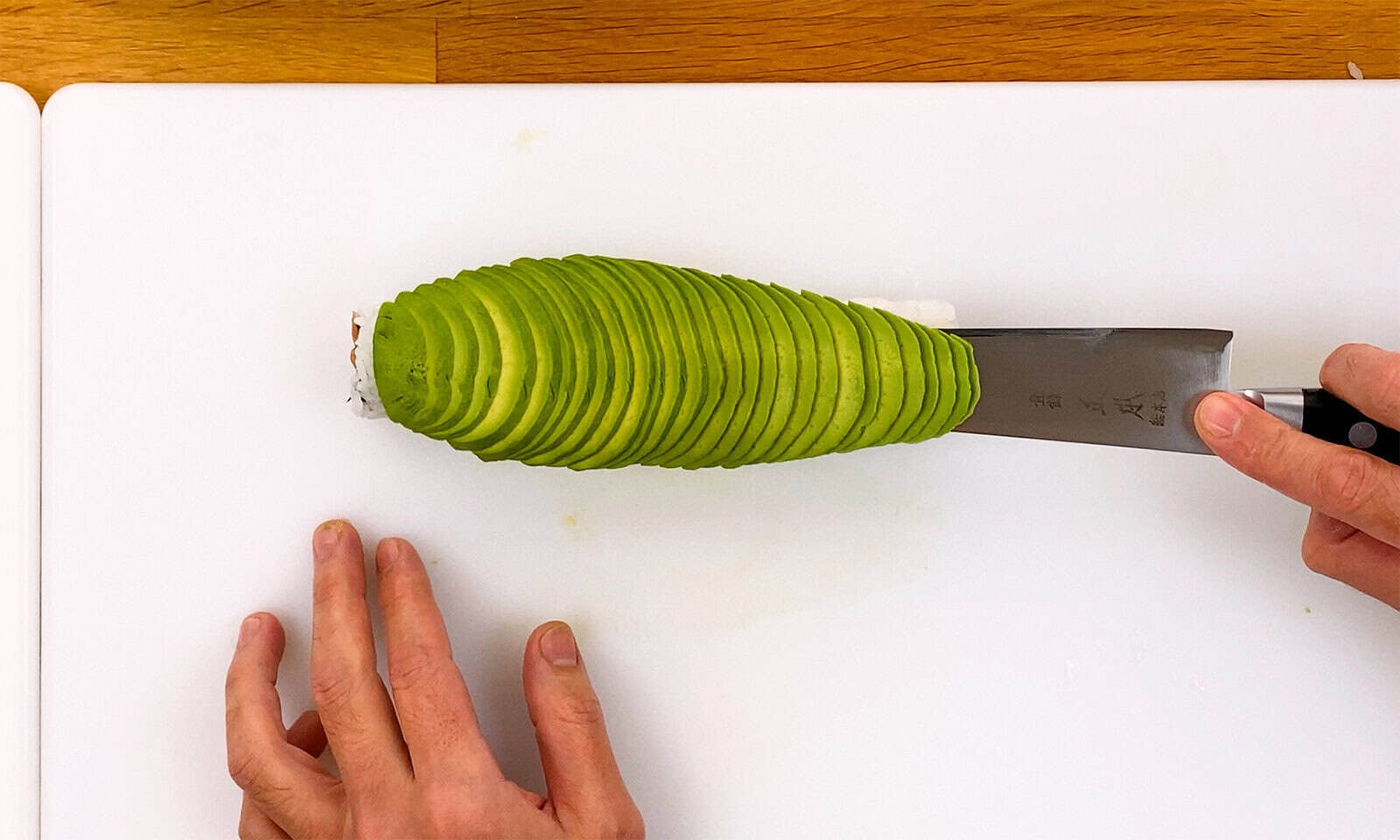
- Use your plastic-wrapped makisu to gently press and shape the avocado around the roll.
Wrap in plastic if you're not cutting it right away.
🔪 Cutting and Plating
Cutting sushi rolls can be one of the trickiest parts for beginners. After all that work rolling them, the last thing you want to do is mangle your masterpiece! Here are a few tips to help you get nice, clean cuts.
- Use a sharp knife. A dull knife can squish the roll instead of slicing cleanly through it. You don't need a specialized sushi knife, but having a sharp blade makes a big difference. Check out my Sushi Knife Guide for more tips on choosing and maintaining your knife.
- Keep the plastic wrap on when cutting rolls with toppings, like smoked salmon or avocado. This helps hold everything in place while cutting. As you slice through the roll, avoid cutting all the way through the plastic on the far side (away from you). Leaving that section intact allows you to remove the plastic in one piece afterward. You can also use this technique for the classic Philadelphia roll, although it's not necessary.
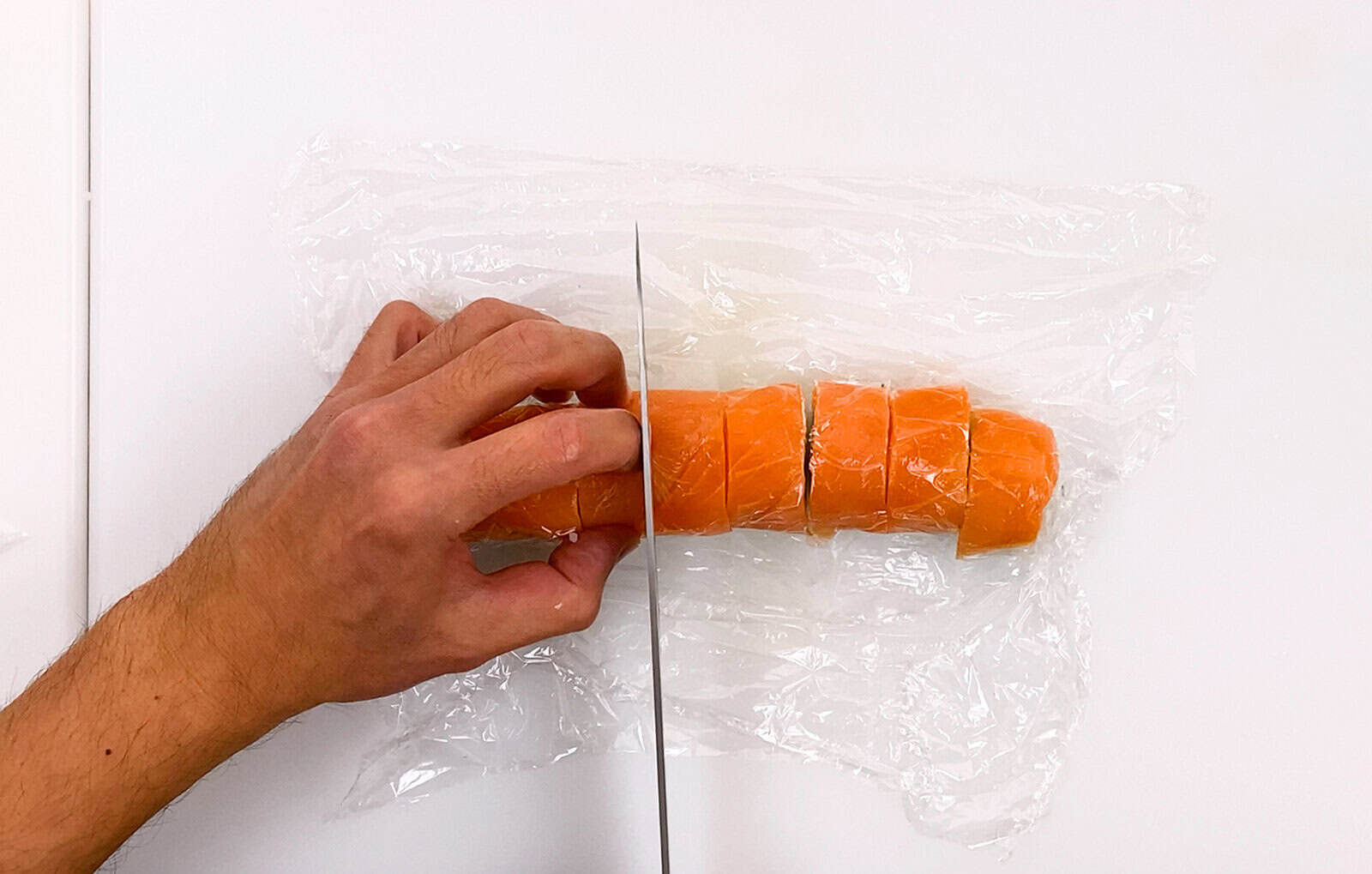
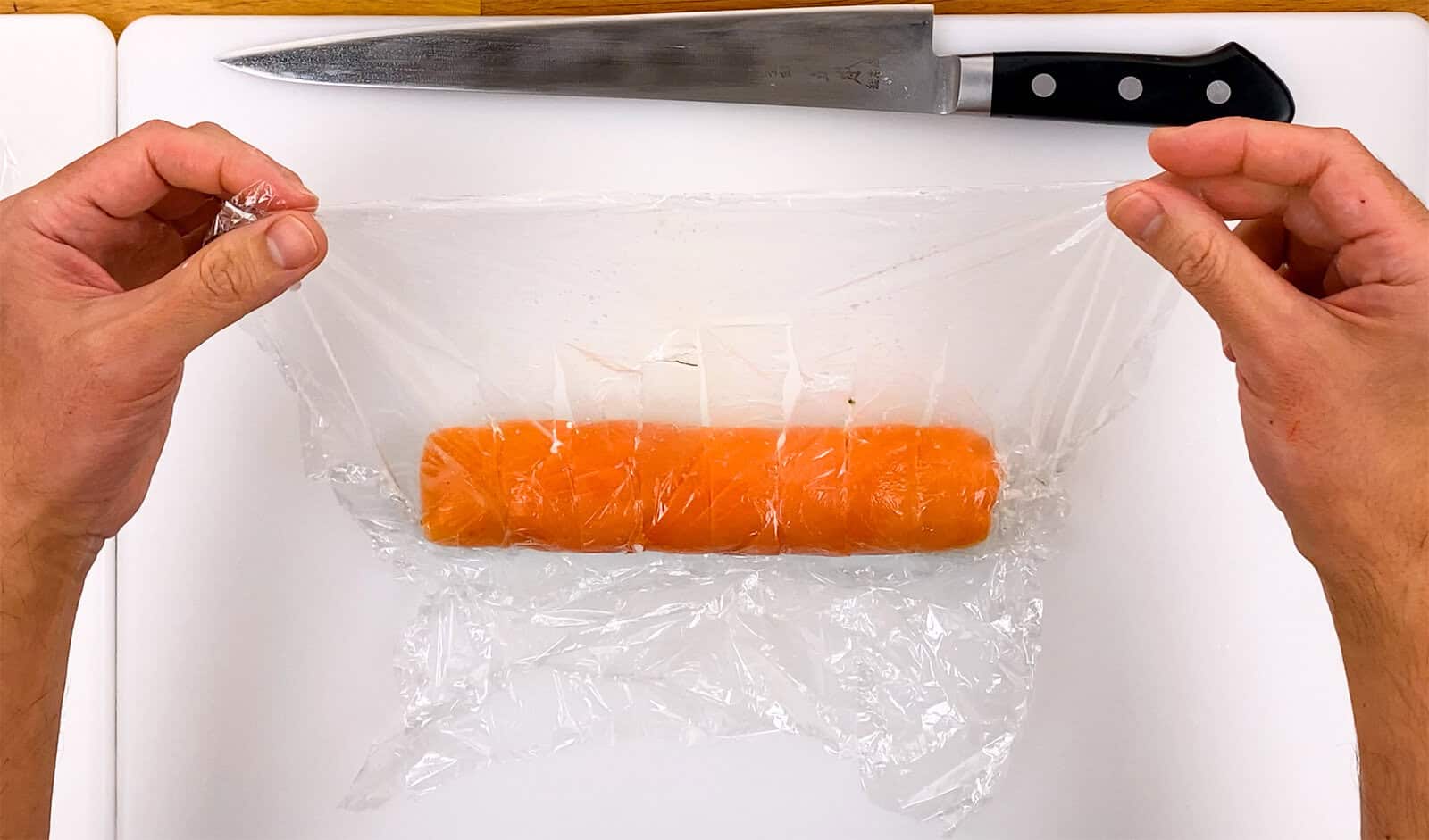
- Cut each roll into 8 pieces. Start by cutting it in half, then cut each half in half again, and finally cut each quarter in half.
- Clean and wet your knife between cuts to prevent the rice from sticking to the blade.
Once everything is cut, arrange the rolls neatly on a plate and get creative with your presentation!
You can drizzle on some spicy mayo or unagi sauce, or add a little kizami wasabi for an extra kick. Serve with soy sauce, wasabi, and pickled ginger on the side.
🥑 Customize Your Rolls
Once you've got the basic Philadelphia roll down, feel free to experiment with different ingredients and make it your own! Some of my favorite additions include:
- Fresh jalapeño slices for an extra kick.
- Masago (smelt roe) or tobiko (flying fish roe) for a pop of flavor and texture.
- Blanched asparagus for a little extra crunch.
That's one of the best parts about making sushi at home. You can mix and match ingredients and come up with your own creations!
✍️ Final Thoughts
Philadelphia rolls are one of the easiest sushi rolls to make at home, and they're pretty budget-friendly too!
Whether you're planning a sushi night with friends or making dinner for the family, start with the classic roll and have some fun experimenting with the variations.
And remember, your rolls don't have to look perfect the first time. The more you practice, the better they'll get. Enjoy!
🍣 Continue Your Sushi Journey
More Sushi Recipes & Guides
Related Videos
❓ Frequently Asked Questions
It depends. Philadelphia rolls are commonly made with either smoked salmon or fresh, raw salmon, depending on the restaurant or recipe. For this version, I'm using cold-smoked salmon, which is cured and smoked but not fully cooked. If you prefer fresh salmon, you can substitute it, provided it's been properly sourced and handled for raw consumption.
I recommend thinly sliced, cold-smoked salmon, like the kind you'd typically find packaged near the seafood or refrigerated deli section of your grocery store. Its soft texture makes it easy to use both inside the roll and as a topping.
Hot-smoked salmon has a firmer, flaky texture, so it doesn't work quite as well for this particular recipe.
The main ingredients are generally gluten-free, but always check the labels on your smoked salmon, cream cheese, and other packaged ingredients.
Also, be careful with sauces and condiments. Regular soy sauce and unagi sauce typically contain wheat, and some spicy mayo recipes may contain gluten depending on the ingredients.
Philadelphia rolls are best enjoyed fresh, since refrigeration causes the sushi rice to become firm and lose its ideal texture.
If you have leftovers, wrap them tightly or place them in an airtight container and refrigerate right away. For best quality, I'd recommend eating them within 24 hours. As a general food safety rule, don't leave sushi sitting at room temperature for more than 2 hours, or 1 hour if it's above 90°F (32°C).
Philadelphia Roll

VIDEO
EQUIPMENT
- 1 Makisu (bamboo mat)
- 1 Cutting board
- 1 Knife
- 1 Bowl For cold water to wet hands
- 1 Serving plate
INGREDIENTS
For the Rolls
- 2 cups sushi rice (cooked and seasoned) (400g)
- 3 half-sheets nori (dried seaweed)
- 6-8 ounces cold-smoked salmon (thinly sliced)
- 2-3 ounces cream cheese (plain)
- 4 inches English or Japanese cucumber
- 1 avocado (for the variations)
Optional Toppings and Condiments
- Spicy mayo
- Unagi sauce
- Toasted sesame seeds
- Kizami wasabi
- Soy sauce, pickled ginger, and wasabi for serving
INSTRUCTIONS
Preparation
- Gather all your ingredients and prepare the sushi rice ahead of time.
- Cut the cucumber into roughly ½-inch wide sticks, removing the soft, seedy center.
- Cut the avocado in half and remove the pit. Cut one half in half again, then slice one of those pieces into roughly ½-inch thick slices for the smoked-salmon-topped roll. Save the other half of the avocado for the avocado topping.
- Cut three roughly ½-inch thick slices crosswise from the short end of a standard block of cream cheese. Cut each slice lengthwise into thirds to make small strips.
Preparing the Nori and Rice
- Wrap your makisu (bamboo rolling mat) in plastic wrap to prevent the rice from sticking.
- Place the makisu on a cutting board with the bamboo sticks running horizontally.
- Place a half-sheet of nori horizontally on the mat, rough side facing up, leaving about an inch of space at the bottom.
- Lightly wet your hands and grab an apple-sized ball of prepared sushi rice.
- Spread the rice evenly across the nori, reaching the edges and corners without pressing too hard.
- Sprinkle toasted sesame seeds over the rice (optional), then flip the nori so the rice faces down.
Roll #1: Classic Philadelphia Roll
- Arrange the smoked salmon, cream cheese, and cucumber across the middle of the nori. Be careful not to overstuff the roll, especially with cream cheese.
- Lift the bottom of the makisu with your thumbs while holding the fillings in place with your forefingers.
- Bring the mat up and over the fillings until the nori wraps around them.
- Pull the far end of the makisu away from you with one hand while holding the roll in place with the other. This helps tighten the roll so the fillings don't fall out.
- Continue rolling until the nori overlaps, then gently apply even pressure with the makisu to shape the roll.
- Press in the ends to clean up the edges.
Roll #2: Smoked Salmon on Top
- Prepare another half-sheet of nori with sushi rice, just as you did for the classic roll.
- Add cream cheese, cucumber, and the thicker avocado slices across the middle.
- Roll and shape using the same technique as Roll #1.
- Layer thin slices of smoked salmon over the top of the roll, slightly overlapping each piece. Leave the bottom uncovered.
- Gently shape the roll again using your plastic-wrapped makisu.
Roll #3: Avocado on Top
- Prepare the third half-sheet of nori with sushi rice.
- Add smoked salmon, cream cheese, and cucumber across the middle, then roll and shape as before.
- Cut the remaining avocado half into thin, roughly ⅛-inch slices.
- Carefully spread the avocado slices into a row about the same length as the roll.
- Slide your knife underneath the avocado slices and transfer them onto the top of the roll. Carefully remove the knife to keep the slices in place.
- Gently shape the roll again using your plastic-wrapped makisu.
Cutting and Plating
- Place each roll on your cutting board without the makisu.
- For the salmon- and avocado-topped rolls, keep the plastic wrap on while cutting to hold the toppings in place. Avoid cutting through the plastic on the far side of the roll so you can remove it in one piece afterward.
- Use a sharp, clean knife and lightly wet the blade before cutting.
- Cut each roll in half, then each half in half again, and finally each quarter in half to make 8 pieces per roll.
- Arrange the pieces on a serving plate. Add spicy mayo, unagi sauce, or kizami wasabi if desired, and serve with soy sauce, pickled ginger, and wasabi on the side.


Leave a Reply