
When we think of Japanese cuisine, sushi, ramen, or tempura usually take the spotlight. But there’s another humble yet essential component that quietly elevates every meal: tsukemono, or Japanese pickled vegetables.

These colorful, crunchy bites are more than just a side dish; they're an important part of the Japanese culinary experience, offering balance, texture, and even a bit of digestive support. In this post, we’re diving deep into the world of tsukemono: what they are, how they’re made, and why you should absolutely be eating more of them.
Jump to:
🥢What Is Tsukemono?
The word tsukemono literally means “pickled things.” They’ve been a staple in Japanese households for centuries, originally developed as a way to preserve vegetables long before refrigeration existed.
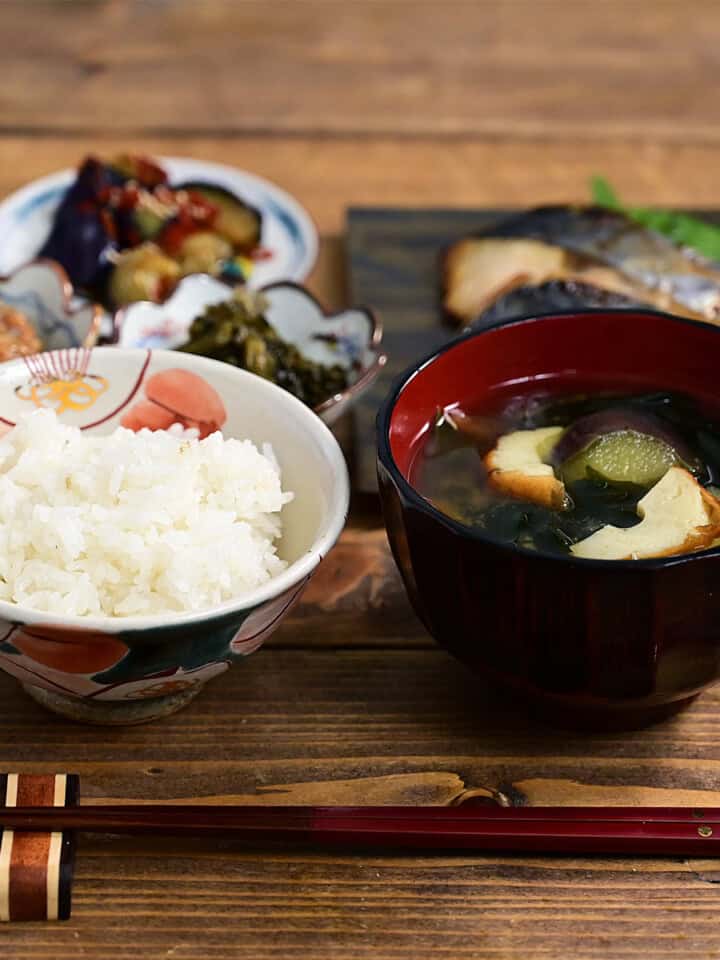
Tsukemono is a staple in nearly every traditional Japanese meal. You’ll spot it in bento boxes, next to grilled fish and rice, or on sushi platters as a refreshing palate cleanser. But it’s far more than just a colorful garnish, it plays an important role in balancing the meal.
The sharp, salty, sweet, or tangy flavors of tsukemono provide contrast, helping highlight and enhance the other dishes on your plate. They can also be paired with sake and other drinks as well. In fact, there are even specialty izakayas in Japan that serve nothing but tsukemono, and they’re absolutely worth visiting!
🥒 Different Types of Tsukemono
Here are some of the most popular types of tsukemono that are commonly available, even outside of Japan.
1. Takuan/Takuwan
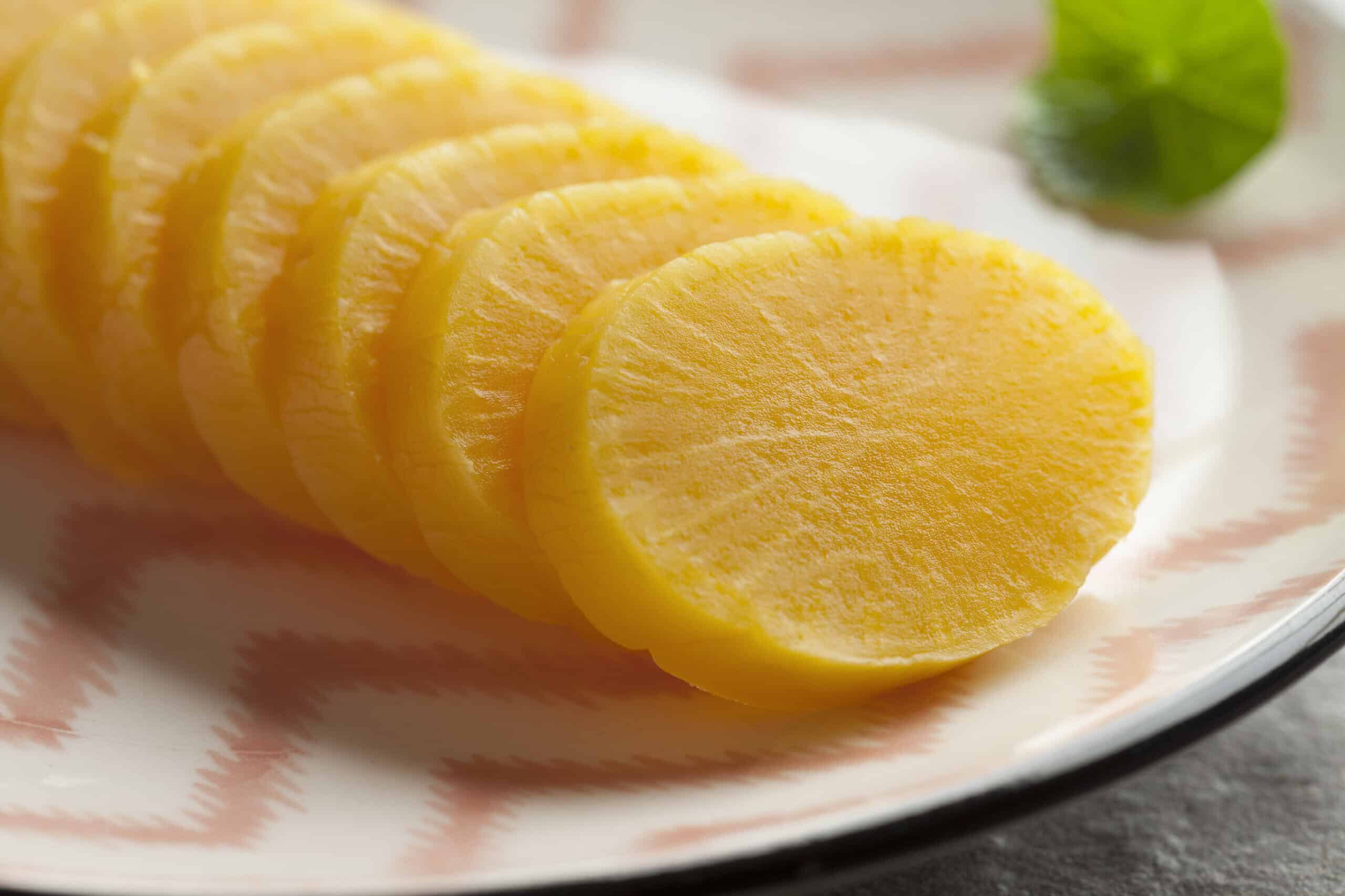
- Made from: Daikon radish
- Flavor: Mildly sweet, slightly funky, and tangy
- Color: Bright yellow (traditionally from gardenia, sometimes from food dye)
- Fun Fact: Often served with rice or as a finishing bite in bento. A little goes a long way!
2. Shibazuke

- Made from: Eggplant, cucumber, and red shiso leaves
- Flavor: Salty and sour with a refreshing herbal kick
- Color: Deep purple
- Fun Fact: Originated in Kyoto and is commonly served with rice or ochazuke (tea over rice).
3. Umeboshi

- Made from: Pickled plums
- Flavor: Extremely sour and salty
- Texture: Soft, although some types can be crunchy
- Fun Fact: Packed with citric acid, umeboshi are believed to aid digestion and even cure hangovers.
4. Fukujinzuke
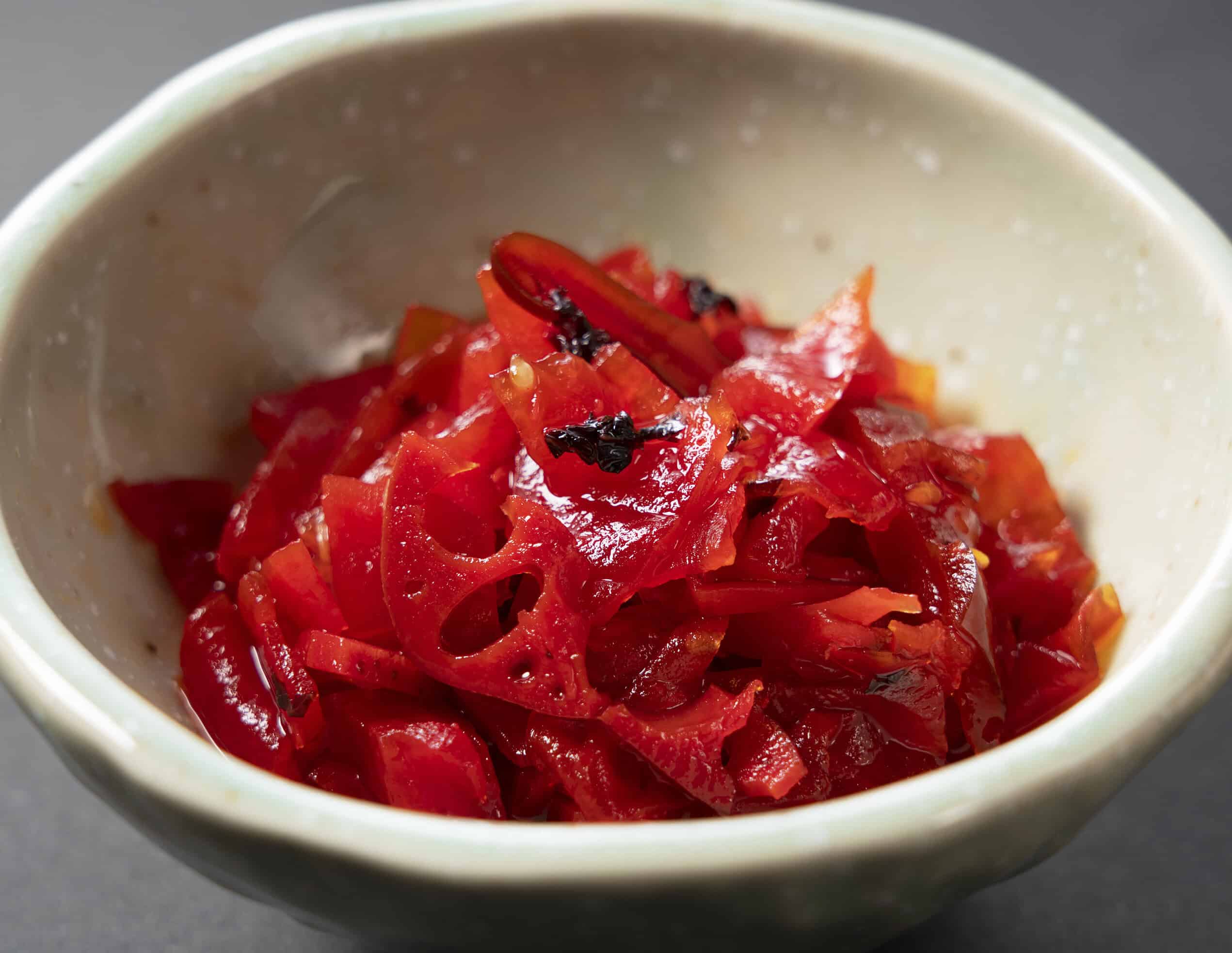
- Made from: A mix of root vegetables like daikon, lotus root, burdock, and carrot
- Flavor: Sweet and crunchy
- Color: Often red or brown, depending on the marinade
- Fun Fact: Commonly paired with Japanese curry to cut through its richness.
5. Kyuri Asazuke

- Made from: Cucumber (asazuke means "lightly pickled")
- Flavor: Crisp, lightly salty, and fresh
- Time: Ready in as little as 1–2 hours
- Fun Fact: Great for summer and super easy to make at home!
6. Gari
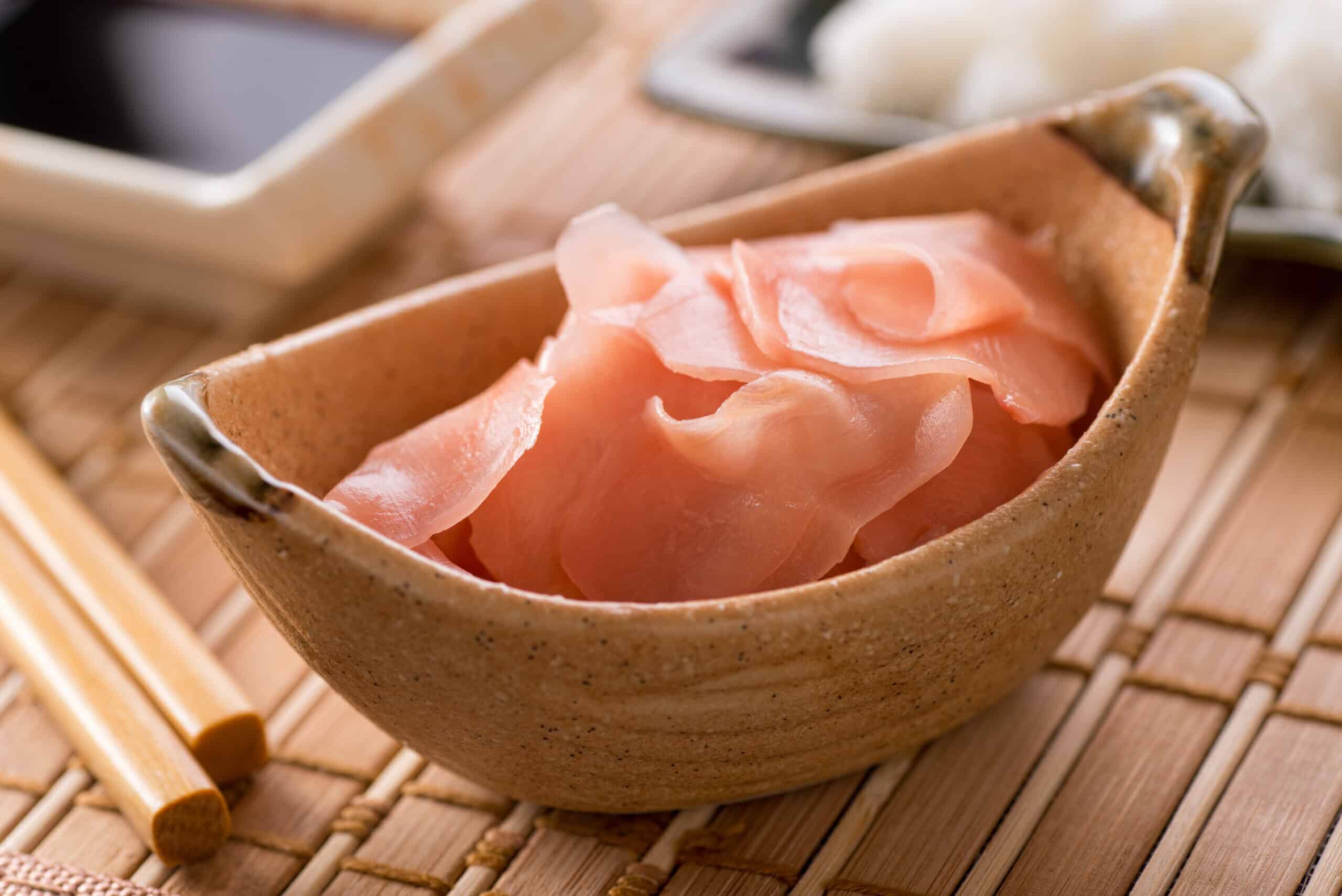
- Made from: Young ginger
- Flavor: Sweet and vinegary
- Color: Light pink or white
- Fun Fact: Always served with sushi, not as a topping, but to cleanse your palate between bites.
👨🍳How to Make Tsukemono at Home
You don’t need a fermentation lab or months of prep to enjoy tsukemono. Here’s a quick and easy one to start with:
Simple Kyuri Asazuke (Quick Pickled Cucumber)
Ingredients
- Japanese cucumber - 2-3
- Shiro-dashi (dashi soup stock) - ¼ cup
- Water - ¼ cup
Amazu (sweet vinegar)
- Rice vinegar - ½ cup
- Sugar - ¼ cup
- Salt - 1 Tbsp
Steps
- Add amazu ingredients into a small saucepan and stir over medium-low heat. Stir until the sugar and salt fully dissolve.
- Fully cool the amazu in the refrigerator.
- Cut cucumber into bite-size pieces.
- Add the cucumber, amazu, shiro-dashi, and water into a container that can be sealed air-tight such as a jar or Ziploc bag.
- Shake and fully mix all the ingredients, making sure the cucumber gets fully coated with the pickling juice.
- Leave in refrigerator until ready to serve.
This can last in the fridge for up to three days but the longer it sits, the stronger the pickle flavor will become. You can also dilute the mixture with more water according to your preference.
🍚 Why You Should Love Tsukemono
- Digestive Benefits: Many pickles, especially fermented ones like nukazuke (bran-fermented veggies), contain probiotics and enzymes that support digestion.
- Flavor Balance: A tangy or salty pickle can refresh your palate between bites, especially when eating rich or oily foods.
- Shelf Life: Homemade tsukemono keep well and are an easy way to always have something tasty and colorful on hand.
- Quick and Easy: Not all pickles take days to make! Some types like asazuke (lightly pickled veggies) can be ready in under an hour. It’s a great way to use up extra veggies and instantly elevate a meal.
🧺 Perfect for Summer Picnics & Bento Boxes
Tsukemono aren’t just for traditional meals, they’re the perfect addition to any lunchbox, especially in summer thanks to their light and refreshing taste. Plus they're easy to pack making them ideal for picnics and other outdoor activities. The satisfying crunch and tangy flavors are a hit with kids and adults alike, offering a healthy, flavorful alternative to heavier snacks.
So whether you’re chilling at the park, soaking up the sun at the beach, or grilling in your backyard, tsukemono brings a burst of freshness that pairs perfectly with almost any Japanese dish. Think of it as the crunchy, tangy sidekick your meal didn’t know it needed, always ready to jump in and save your taste buds from boredom. Easy to make and even easier to love, tsukemono adds color, crunch, and a little zing that’ll have you wondering how you ever ate without it.
Leave a Reply