
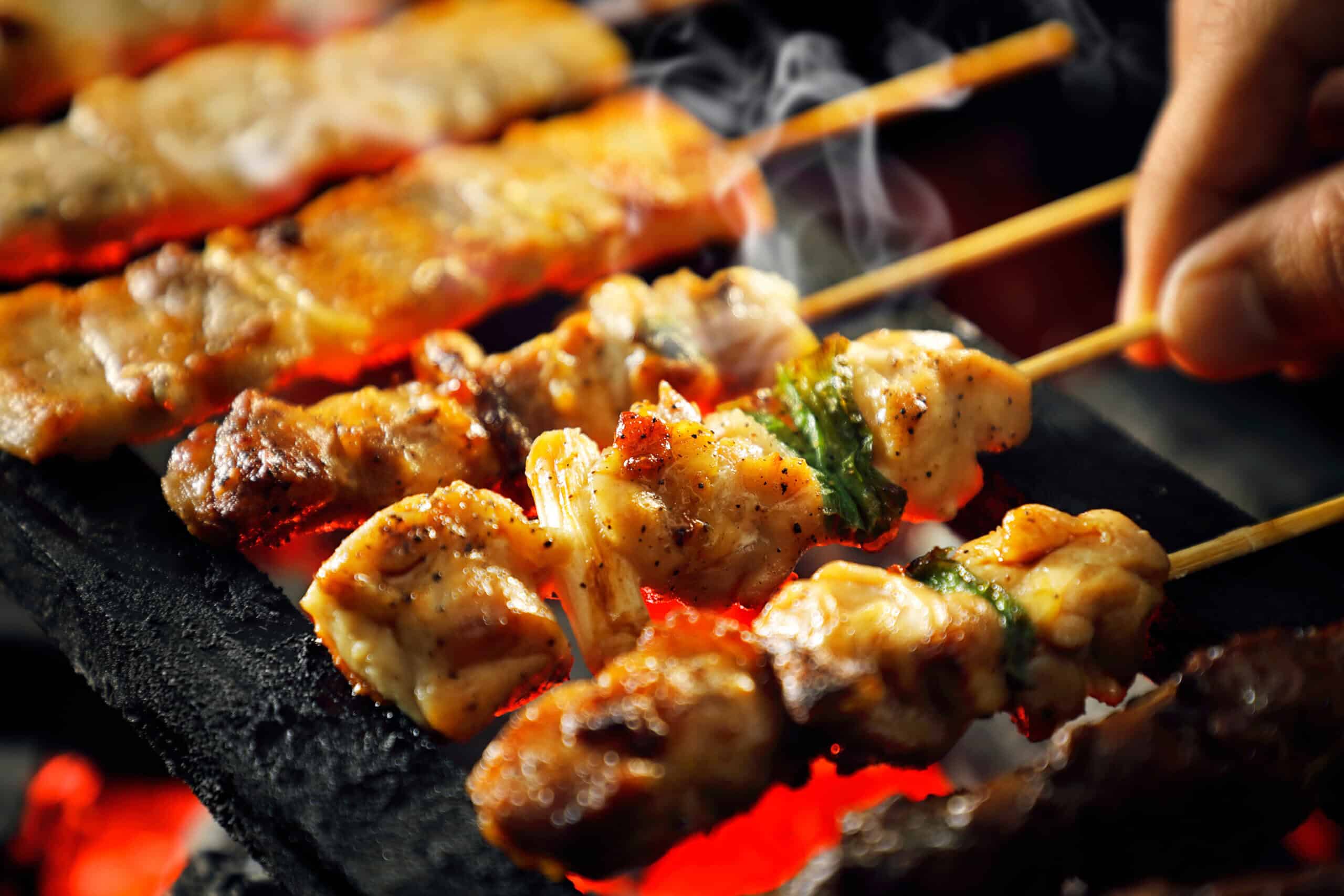
In Japan, few things bring people together like a plate of sizzling, smoky yakitori and an ice-cold drink. Found everywhere from cozy izakayas to street festivals, yakitori is far more than just grilled chicken on a stick. It's a celebration of simplicity, precision, and the deep appreciation for every part of the bird, and I mean literally.
Jump to:
🐔What is Yakitori?
The word yakitori (焼き鳥) literally means “grilled bird,” and traditionally refers to skewered pieces of chicken grilled over a charcoal fire. Unlike Western-style chicken skewers, which often mix in vegetables or different meats, authentic yakitori focuses on showcasing specific cuts of the chicken, each with its own flavor and name. That said, many yakitori shops will offer different varieties of meat along with vegetarian options as well.
🍗Popular Varieties
If you’ve ever stepped into a traditional yakitori shop, you’ve probably noticed the wide range of options, some familiar, others a bit unexpected. It can be a little overwhelming at first, but don’t worry. Here’s a quick guide to some of the most common and popular varieties to help you decide what to try next time you’re dining out.

- Momo (もも) – Juicy chicken thigh, the classic crowd-pleaser.
- Negima (ねぎま) – Chicken thigh alternated with pieces of scallion or leek.
- Tsukune (つくね) – Seasoned chicken meatballs, often served with a raw egg yolk for dipping.
- Tebasaki (手羽先) – Chicken wings, crisp on the outside and tender inside.
- Sunagimo (砂肝) – Gizzards, offering a satisfying crunch and mild flavor.
- Reba (レバー) – Liver, rich and creamy when grilled to perfection.
- Hatsu (ハツ) – Heart, tender and slightly gamey.
- Bonjiri (ぼんじり) – The fatty tail portion, indulgent and flavorful.
- Kawa (皮) – Skin, grilled until golden and crisp, a favorite among yakitori fans.
As you can see, one of the most fascinating aspects of yakitori is how it embraces the whole chicken and nothing goes to waste. Even the bone/carcass is used in soups and sauces.
🧂Seasonings
Now that you're familiar with the different types of yakitori, the next step is choosing how you'd like them seasoned, typically served one of two ways.
Shio (塩)

Simple, clean, and all about letting the meat speak for itself. This minimalist approach is perfect for savoring the natural flavor of each cut and enhances umami without overpowering each meat.
Tare (タレ)

Rich, savory, slightly sweet, and deeply satisfying. Tare is a special yakitori sauce made from a mixture of soy sauce, mirin, sake, and sugar. Many shops also add chicken drippings, roasted bones, or vegetables to deepen the flavor. It’s simmered down until slightly thickened and glossy, like a teriyaki glaze but more complex.
During grilling, the skewers are brushed with tare several times (typically towards the end), allowing the sauce to caramelize over the hot charcoal and build layers of flavor.
Which One?
At most yakitori restaurants, you’ll be asked which seasoning you prefer. Some diners enjoy mixing and matching, while others are loyal to one style. There’s no right or wrong choice though, it all comes down to personal preference. And if you’re unsure, don’t hesitate to ask for recommendations. More often than not, the chef’s suggestion is the best way to go.
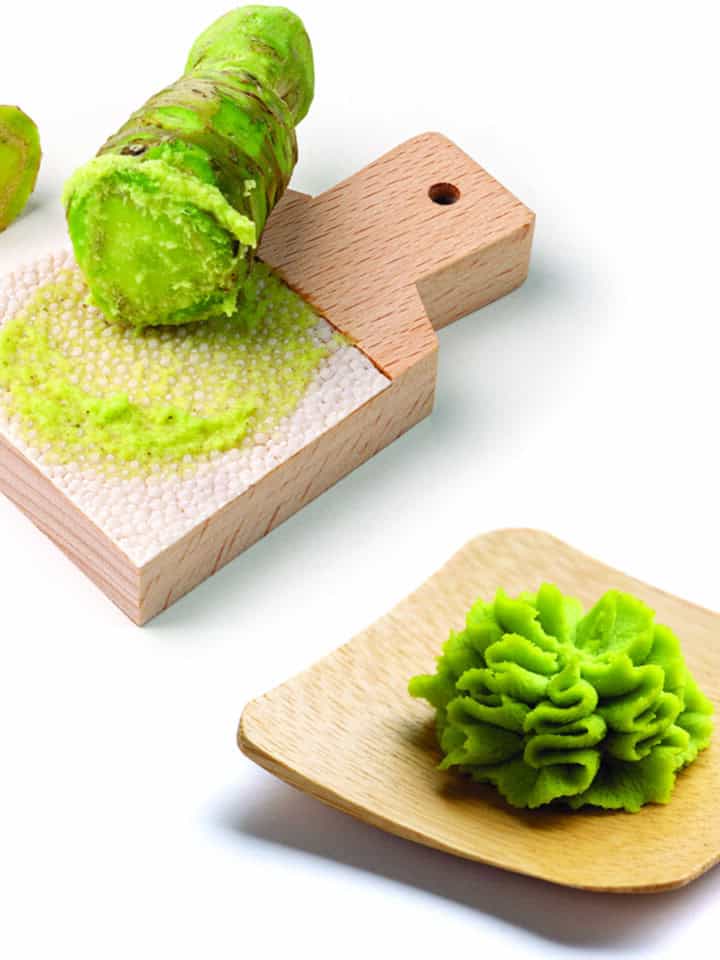
You might also come across additional seasonings like wasabi, sansho pepper, shichimi togarashi (Japanese seven spice), or a touch of citrus. These are often paired with specific cuts to complement and enhance their flavor. Just remember, a little goes a long way. These seasonings can be quite bold, so it’s best to use them sparingly to avoid overpowering the taste of the yakitori itself.
🔥Cooking Method: Binchotan Charcoal
When it comes to yakitori, the seasoning and chicken cuts gets most of the attention. But what truly sets it apart is binchōtan, a special type of Japanese white charcoal that gives yakitori its signature flavor and texture.
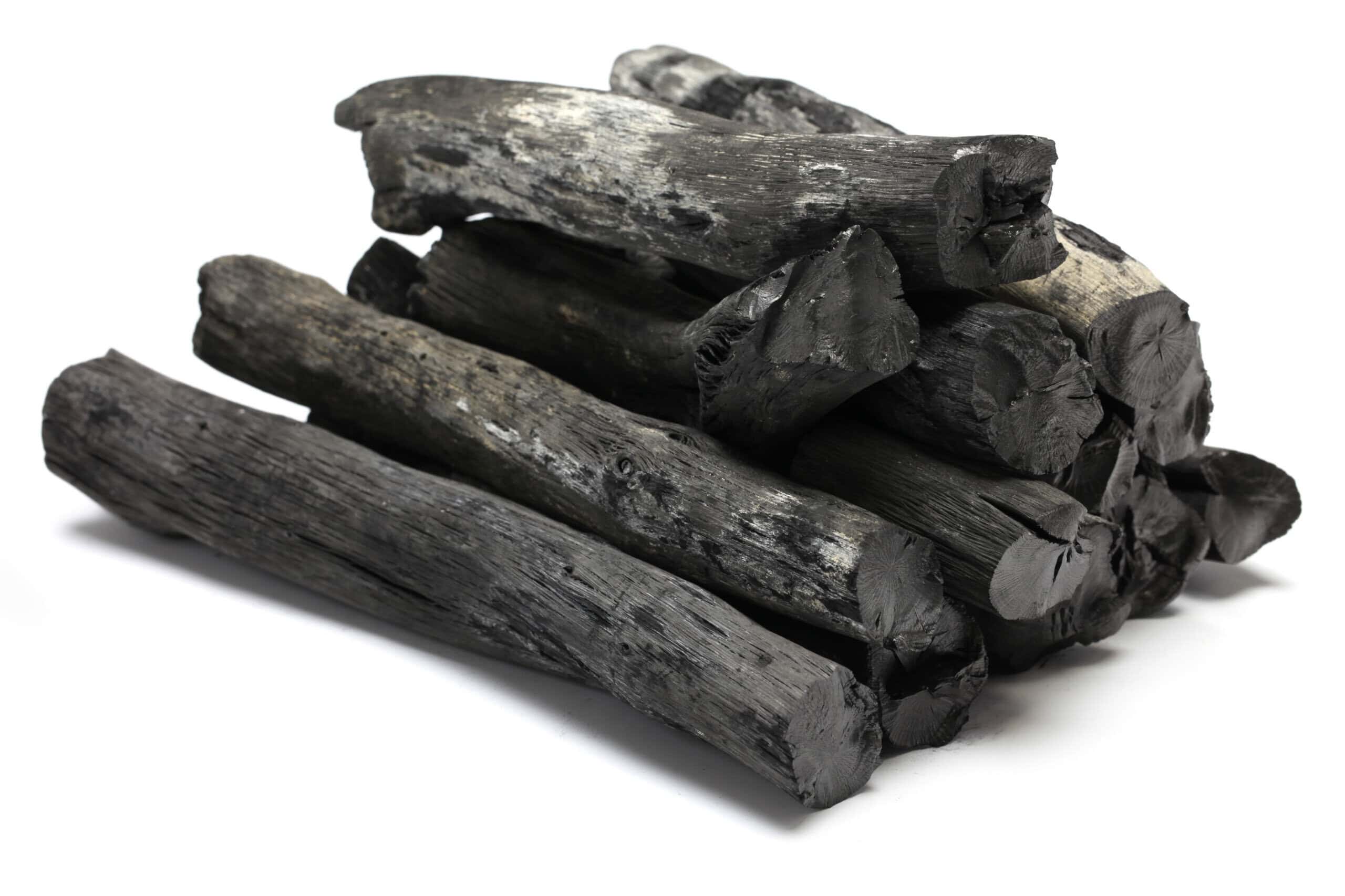
Unlike regular charcoal, binchōtan burns cleanly at a high, consistent temperature, allowing for precise grilling. This steady heat helps keep the meat juicy while creating a beautifully crisp exterior. It also produces less smoke, which gives yakitori a subtle, refined smoky aroma, enhancing the flavor without overpowering it.
🏮Yakitori Culture

Yakitori is often enjoyed as part of the casual dining experience at yakitori shops and izakayas (Japanese pubs). It’s food that invites conversation and togetherness. You’ll also find yakitori served in small stands at festivals (matsuri), street corners, and even in convenience stores, making it one of the most accessible and beloved foods in Japan.
In recent years, high-end yakitori restaurants have emerged, treating yakitori with the same reverence as sushi or kaiseki. Chefs dedicate years to perfecting their craft; from choosing the ideal bird and breaking it down with surgical precision, to mastering the nuances of grilling each individual skewer to smoky, savory perfection.
🍺Pairing and Enjoying

Yakitori pairs beautifully with a good drink, probably one of my all-time favorite Japanese "bar foods." A crisp Japanese beer, ideally nama (draft beer), a clean, dry sake (my go-to pairing is Kozaemon Junmai Ginjo Tori), or a refreshing highball of whiskey and soda all do a great job of cutting through the richness of the grilled meats. It’s common to order a few skewers at a time, savoring the variety and letting the meal unfold at a relaxed, enjoyable pace. I mean, what's not to love.
If you're curious about my favorite sake pairing with yakitori, then check out this video right here: Best Sake with Yakitori.
🏠Make It at Home
While yakitori is an experience best enjoyed fresh off the grill, it can absolutely be made at home, even without binchotan. A good broiler, grill pan, or outdoor grill will do. The key is in the skewering and attention to doneness. Keep pieces uniform, don’t overcrowd the skewers, and sprinkle with salt or brush with tare (not too early) as you go.
If you're feeling adventurous, try making tare from scratch and experimenting with different cuts. Once you’ve tasted freshly grilled tsukune dipped in egg yolk or crispy kawa with a cold beer in hand, you’ll understand why yakitori is so deeply loved.
Leave a Reply