
When it comes to the pinnacle of beef, few names carry the prestige of Wagyu. Renowned for its unparalleled marbling, rich umami flavor, and melt-in-your-mouth texture, Wagyu isn’t just meat, it’s an experience. But what makes this Japanese delicacy so special?
In this deep dive, we’ll explore the origins of Wagyu, the different classifications, regional varieties, and most importantly, how to best enjoy it. So whether you’re a curious foodie or a seasoned chef, this guide will give you a whole new appreciation for one of the world’s most luxurious meats. Get ready to beef up your wagyu knowledge (pun absolutely intended).
Jump to:
🐮What is Wagyu?
Wagyu literally means “Japanese cow,” but the term actually refers to a specific group of high-quality Japanese cattle made up of four main breeds.
- Japanese Black (Kuroge Washu) - Most common breed (about 90% of all Wagyu in Japan) are Kuroge which include some of the most famous varieties like Kobe, Matsusaka, and Kagoshima Wagyu. Known for it's extremely high marbling and rich umami flavor.
- Japanese Brown (Akage Washu) - Leaner than Kuroge, with a slightly firmer texture and milder flavor. Lower fat content but still has high marbling providing a good balance for those that prefer slightly leaner beef. Mainly raised in Kumamoto and Kochi prefectures.
- Japanese Shorthorn (Nihon Tankaku Washu) - Mostly found in northern Japan, the Japanese shorthorn has a leaner and stronger beef flavor and makes up only about 1% of all Wagyu in Japan.
- Japanese Polled (Mukaku Washu) - The rarest breed out of the bunch, making up less than 0.1% of Wagyu in Japan. Primarily raised in Yamaguchi prefecture and is much leaner than other Wagyu breeds.

No matter the breed, farmers raise these cattle with great care. They follow specialized diets, enjoy stress-free environments, and even get the occasional massage. Now that’s VIP treatment!
🥩The Secret Behind the Marbling
What truly sets Wagyu apart is its exceptionally high intramuscular fat (IMF) content, which creates its signature marbling. While genetics play a key role, they alone aren’t enough to achieve that beautiful marbling found in premium Wagyu. A great environment, meticulous care, and a special diet make all the difference. Sometimes that diet even features beer, sake, or whisky mash. No wonder they’re so happy!
Unlike the external fat on most other beef, Wagyu weaves its marbling within the muscle fibers, giving it an ultra-buttery texture. This fat also melts at a lower temperature, giving Wagyu its renowned melt-in-your-mouth quality.
🅰️Wagyu Grades: Understanding the Label
If you’ve ever seen Wagyu labeled A5, you might wonder what it means. In Japan, Wagyu is graded based on yield (how much edible meat comes from the carcass) and quality (marbling, color, texture, BMS).
Yield is ranked with letters A, B, or C; A being the best and C... well, let's just say it's not winning any beauty contests. Quality is scored from 1 to 5, with 5 being the beef equivalent to a five-star resort. So if you see A5, congratulations, you’re about to indulge in the richest, most beautifully marbled beef money can buy... assuming it's the real deal.

💯Understanding the BMS Scale
There's also an important factor called the BMS (Beef Marbling Score) scale, which ranges from 1 to 12, with higher numbers indicating more marbling.
- BMS 1-3: Very little marbling, comparable to standard beef.
- BMS 4-6: Moderate marbling, typically found in high-quality non-Wagyu beef.
- BMS 7-12: Premium Wagyu marbling, with BMS 12 being the absolute highest level. A5 grade Wagyu requires a BMS score of 8 or higher.
🗾Famous Regional Varieties of Wagyu
While all Wagyu is exceptional, different regions in Japan have their own prized variations, each with unique characteristics:
- Kobe Beef (Hyogo Prefecture) - The most famous Wagyu variety, Kobe beef features intense marbling and exceptional tenderness. Only Tajima-gyu cattle that meet strict standards earn the Kobe label.
- Matsusaka Beef (Mie Prefecture) - Many Wagyu connoisseurs consider it even richer than Kobe. Farmers raise female cattle that have never been bred on a special diet, sometimes including beer, to enhance their fat distribution.
- Ōmi Beef (Shiga Prefecture) - The oldest Wagyu brand in Japan, Ōmi beef is known for its delicate sweetness and refined marbling. It’s also slightly firmer than Kobe or Matsusaka beef, which makes it perfect for grilling or in sukiyaki and shabu-shabu.
- Miyazaki Beef (Miyazaki Prefecture) - A relatively newer brand in the Wagyu world, Miyazaki beef has won multiple national awards and has quickly earned a reputation for being among the finest Wagyu in Japan.
These are just a few of the renowned Wagyu brands in Japan, however there are plenty of other regions that produce exceptionally high quality Wagyu such as: Kagoshima, Yonezawa, Hida, and Saga.
🍣How to Enjoy Wagyu
There are many ways to experience the luxury of Wagyu, and each method highlights a different aspects of its incredible flavor. Here are some of the best (and most drool-worthy) ways to indulge:
- Yakiniku - No brainer here. Sliced Wagyu cooked over a hot charcoal grill = perfection (as long as you don't burn it).
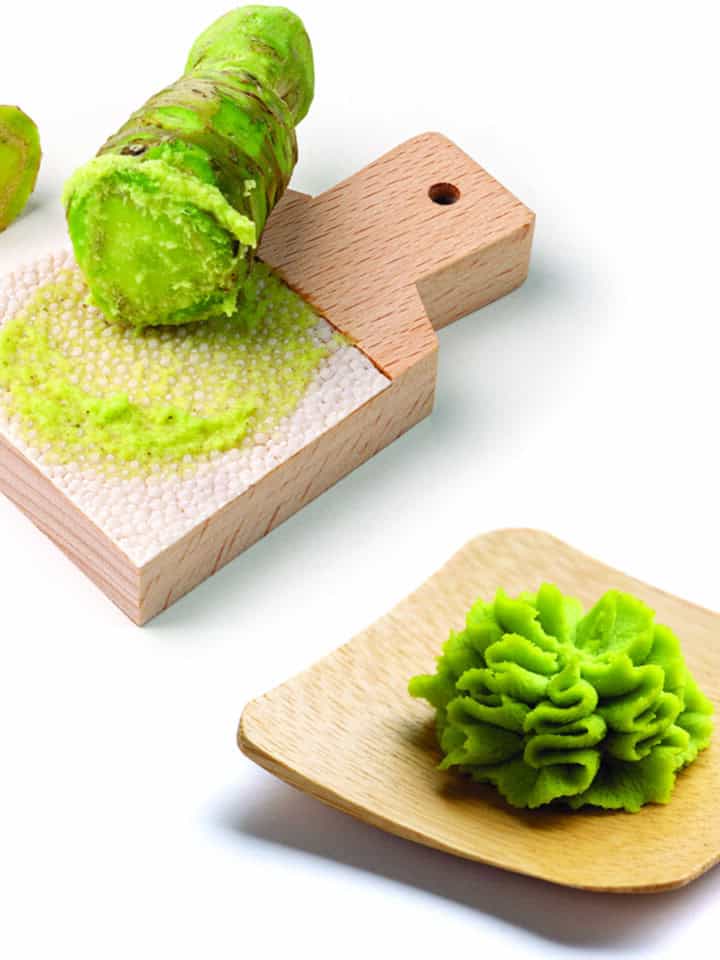
- Wagyu Nigiri - The rich, umami-packed flavor of the beef goes so well with the vinegared sushi rice. Add some real wasabi (or kizami wasabi) and it's a match made in heaven.
- Wagyu Steak - Keep it simple: just salt, pepper, and a hot teppanyaki grill. Cook it to a juicy medium rare and let the beef do the talking. If you cook it well-done, Wagyu lovers everywhere will shed a tear.
- Sukiyaki - Thin slices of Wagyu simmered in a sweet-savory soy sauce broth and then dipped in raw egg right before you eat it. Tons of rich, umami-packed flavor which may also take away from the natural flavors of Wagyu.
- Shabu-Shabu - A delicate way to enjoy Wagyu. Lightly swish thin slices through a hot broth, let the marbling melt just enough, and enjoy with a light dip in ponzu or gomadare (sesame sauce).
💖Is Wagyu Worth the Hype?
Absolutely! Whether you’re indulging in an A5 Wagyu steak, savoring Wagyu sushi, or dipping thin slices into a pot of shabu-shabu, one thing’s for sure; you’re about to have a life-changing beef experience. The melt-in-your-mouth tenderness, rich umami, and buttery flavor make Wagyu one of Japan’s greatest culinary treasures.
Have you tried Wagyu before? If so, what’s your favorite way to enjoy this luxurious beef? And if not… well, it might be time to start rethinking your life choices. 😆
🤔Common Questions
American Wagyu is a crossbreed of traditional Japanese Wagyu cattle (usually Kuroge Washu) with high-quality American beef cattle, such as Angus. This blend combines the rich marbling and tenderness of Japanese Wagyu with the bold flavor and larger size of American cattle.
Knowing if Wagyu is authentic can be tricky, especially because there are so many misleading labels. If you're buying Wagyu steak raw, then it's pretty easy to tell the authenticity just by looking at the marbling. However, it's much more difficult to tell when it's cooked, for example at a restaurant.
Be careful with labels like “Wagyu-style” or “Wagyu-blend." And the term “Kobe beef” is so loosely used in the U.S., it can be a red flag. Authentic A5 Wagyu imported from Japan comes with a certificate and is often highlighted on menus. Not saying that all legit Wagyu needs to have a certificate but just something to be aware of, especially if they're charging a high price.
Anything really! A lot of it depends on how you're eating Wagyu. Red wine such as a Cabernet or Pinot Noir pairs very nicely with a Wagyu steak. While a crisp and clean junmai daiginjo sake can go well with Wagyu nigirizushi or tataki. You can also pair it with a more umami-forward sake such as a regular junmai or junmai kimoto, both perfect for Wagyu shabu shabu. Japanese beer is always a solid option and so is Champagne or other sparkling wine which helps cut through the Wagyu's richness.
At the end of the day, it's all about what you enjoy. So I say get a few of your favorite beverages and make it a Wagyu pairing party! Just don't forget to invite me. 😉

Leave a Reply