
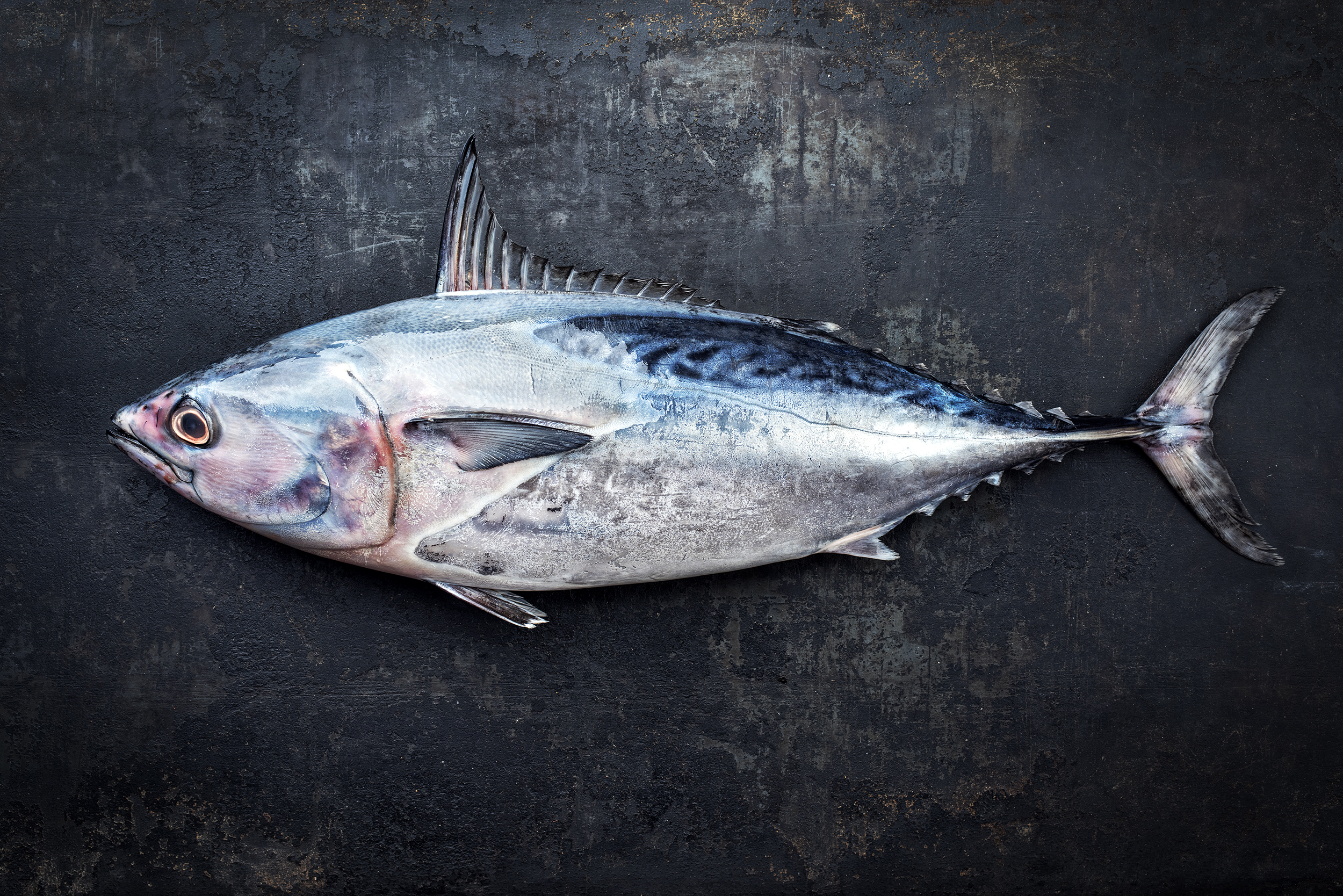
As spring brings fresh new life to Japan, it also brings one of the season’s most celebrated flavors to the table: katsuo (skipjack tuna, aka bonito). This fish holds a special place in Japanese cuisine, not only for its bold taste but for the rich traditions tied to it.
🌸Two Seasons, Two Flavors
Interestingly, katsuo has two peak seasons; spring and fall, each offering a slightly different experience.
- Spring Katsuo: Hatsugatsuo (初鰹)
In the spring (April–May), katsuo are migrating north along Japan’s Pacific coast. These fish are lean, firm, and refreshing, with a clean, brisk taste that matches the vibrant energy of springtime. Serve spring katsuo as sashimi, sushi, or lightly seared tataki to let its bright, oceanic flavor shine. - Fall Katsuo: Modorigatsuo (戻り鰹)
By autumn (September–October), the katsuo have fattened up after a season of feeding in northern waters. This modorigatsuo ("returning katsuo") is richer, with a buttery, deep umami flavor and a softer texture. Prepare it as sashimi, nigirizushi, or in heartier dishes that satisfy appetites as the weather begins to cool.
Many people look forward to tasting katsuo at both times of year, savoring how nature shapes its flavor from one season to the next.
🍣Katsuo in Sushi and Sashimi
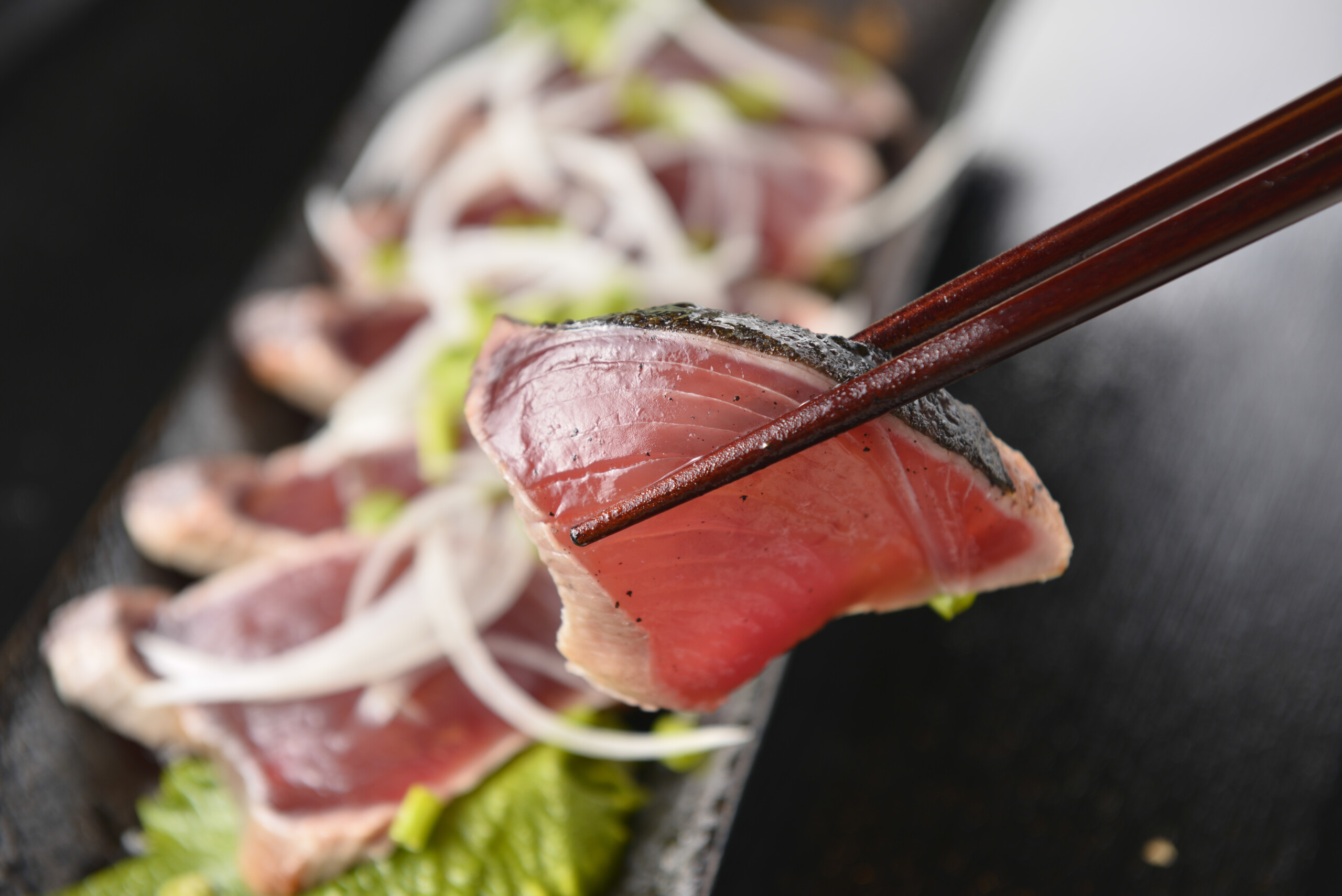
Fresh katsuo is a beloved ingredient in sushi and sashimi for its firm texture and rich, oceanic flavor. Unlike mild, delicate fish like hirame (flounder) or tai (sea bream), katsuo offers a stronger and more hearty bite. Pair it with strong, aromatic toppings like grated ginger, garlic, and green onions to complement its robust taste.

One of the most popular preparations is katsuo no tataki (seared katsuo). In this method, the outside of the fish is briefly flame-seared which is traditionally done over a straw fire. It brings a smoky aroma to the outside while preserving the raw tenderness inside, resulting in a delicious balance of textures and flavors, usually enhanced with ponzu or soy sauce. Tataki highlights the freshness of the fish while adding a light char that feels lively and perfect for spring.

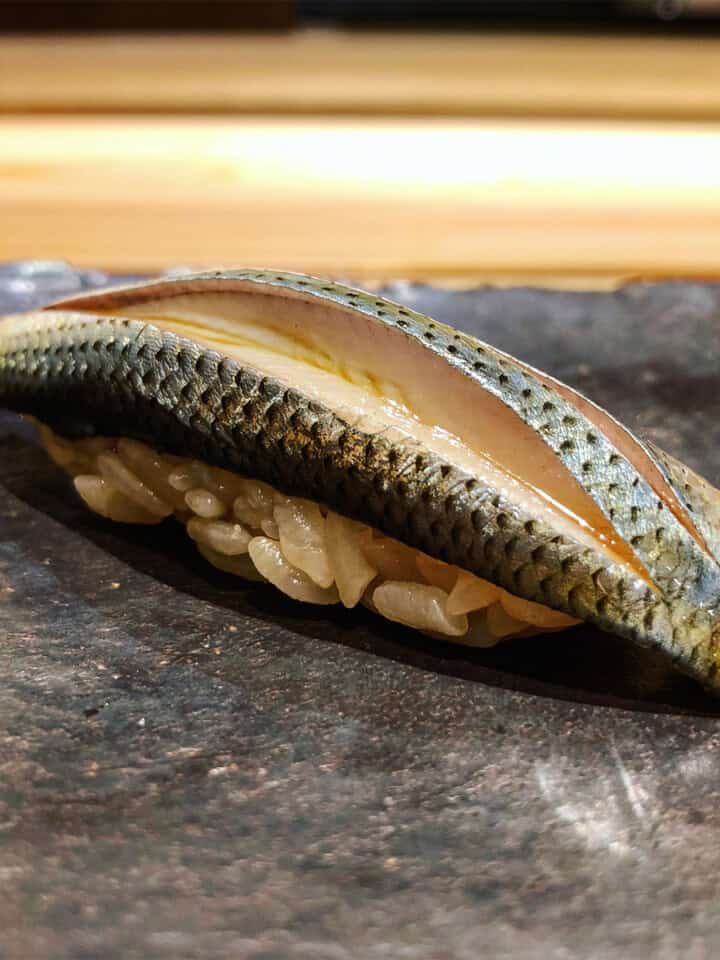
In nigirizushi, katsuo is less common than in sashimi but still highly valued, especially when topped with fresh aromatics. Some chefs will lightly marinate the katsuo or brush it with nikirijoyu (soy-based glaze) to enhance its natural umami.
Some sushi lovers prefer the clean, refreshing taste of spring katsuo, while others wait all year for the luxurious richness of fall katsuo. Either way, katsuo offers an unmistakable seasonal experience that deepens the connection between the ocean, the seasons, and the table.
🗾Cultural Icon

Katsuo’s importance goes far beyond just sushi counters. It's deeply woven into everyday Japanese life. When dried, smoked, and shaved into katsuobushi (dried bonito flakes), it becomes a key ingredient in dashi, which I like to call "the soul of Japanese cuisine". It’s the foundation and source of umami for countless dishes, including miso soup, chawanmushi (savory egg custard), dashimaki tamago (savory rolled omelet), nimono (simmered dishes), and the broths for many noodle dishes.
In fact, the history of eating katsuo stretches back centuries. During the Edo period, people enjoyed the first katsuo of the year as a luxurious way to celebrate the energy and excitement of spring. Even today, there’s a special feeling attached to that first, fresh bite of hatsugatsuo: a taste of the season’s spirit.
🥢Final Bite
If you’ve never tried katsuo before, spring is the perfect time. Whether you enjoy it flame-seared as tataki, sliced fresh for sashimi, or simply appreciate its deeper cultural role, katsuo offers a uniquely delicious connection to tradition, flavor, and the rhythm of the seasons. And guess what? You can do it all over again in the fall! 🐟


Leave a Reply