
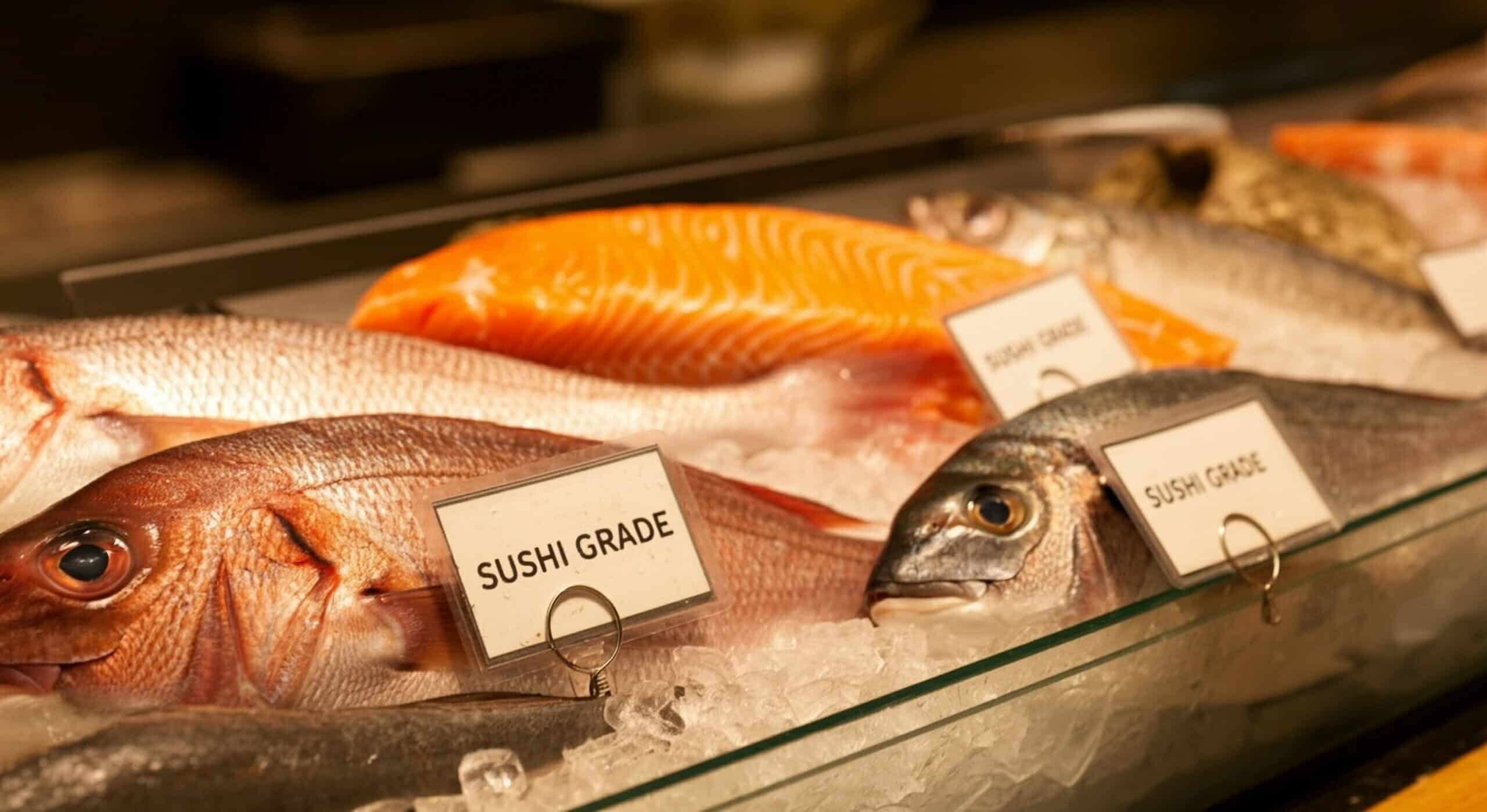
If you’ve ever looked into making sushi at home, chances are you’ve come across the term “sushi-grade” or "sashimi-grade".
Perhaps you've seen it at a grocery store, fish market, online seafood shop, maybe even at a restaurant. It's a label that sounds official. Like it guarantees the fish is safe, high-quality, and exactly what you need for sushi or sashimi.
But here’s the thing…
“Sushi-grade” isn’t actually a regulated term.
So what does it really mean? And more importantly, how should you be using it when buying fish?
Let’s break it down.
Jump to:
🍣The Truth About “Sushi-Grade”
Unlike something like beef, where the United States Department of Agriculture (USDA) has clear grading systems (Prime, Choice, Select), there’s no official governing body that certifies fish as “sushi-grade.”

That means:
- There’s no universal standard
- No certification process
- No legal definition
Instead, the term is used by suppliers, fish markets, and retailers as a way to signal that the fish is intended to be eaten raw.
In other words, it’s more of a marketing term than a guarantee.
Now that might sound a little concerning at first, but it doesn’t mean the label is useless. It just means you need to understand what’s actually behind it.
🐟What “Sushi-Grade” Usually Implies
When a seller labels fish as sushi-grade, it typically means a few important things have been taken into consideration:
1. Proper Handling

The fish has been:
- Kept at safe temperatures
- Handled carefully from catch to sale
- Processed in a way that reduces contamination
Freshness and handling matter just as much (if not more) than the label itself.
2. Freezing for Safety
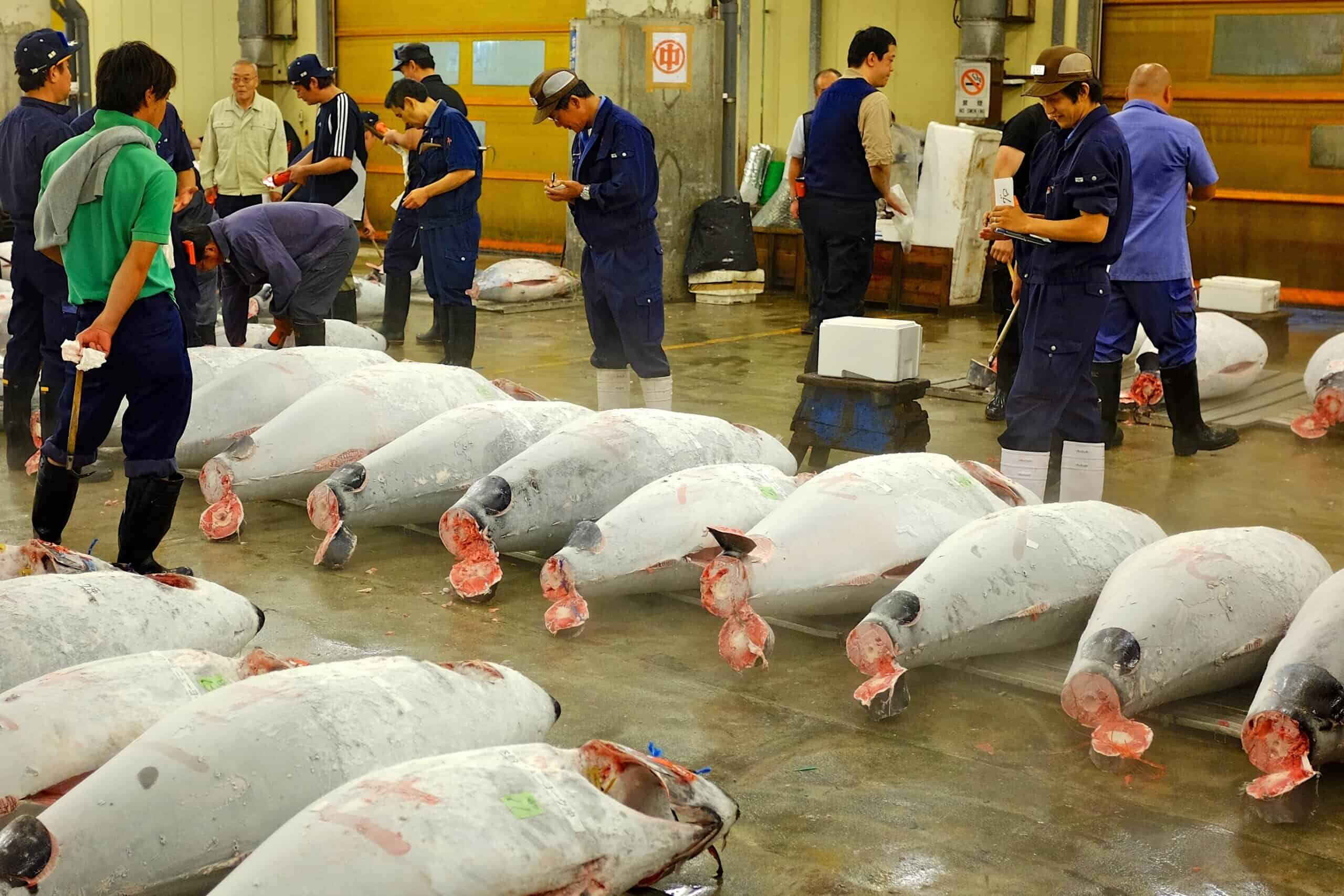
One of the most important factors when it comes to eating raw fish is parasite control.
According to the Food and Drug Administration, many types of fish meant for raw consumption should be frozen to kill potential parasites.
The general guidelines are:
- -4°F (-20°C) for 7 days, or
- -31°F (-35°C) for 15 hours
This process significantly reduces the risk of parasites, which is why freezing is such a key step.
3. Species Selection

Not all fish carry the same level of risk. Some are more commonly used for raw consumption because they’re considered safer when handled properly.
For example:
- Large species tuna such as bluefin, yellowfin, and bigeye are often exempt from freezing requirements
- Farm-raised salmon may also be exempt as long as it's raised on controlled feed
That said, many suppliers still freeze these fish as an added precaution.
🤔Why the Term Can Be Misleading
Because “sushi-grade” isn’t regulated, it ultimately comes down to who’s using the label.
One store’s version of sushi-grade might be:
- Carefully sourced
- Properly frozen
- Expertly handled
Another store’s version might simply be:
- A regular piece of fish with a nicer label on it
That’s why relying on the term alone can be misleading. It’s not that the label is wrong, it’s just not something you should blindly trust.
✅What Actually Matters When Buying Fish for Sushi
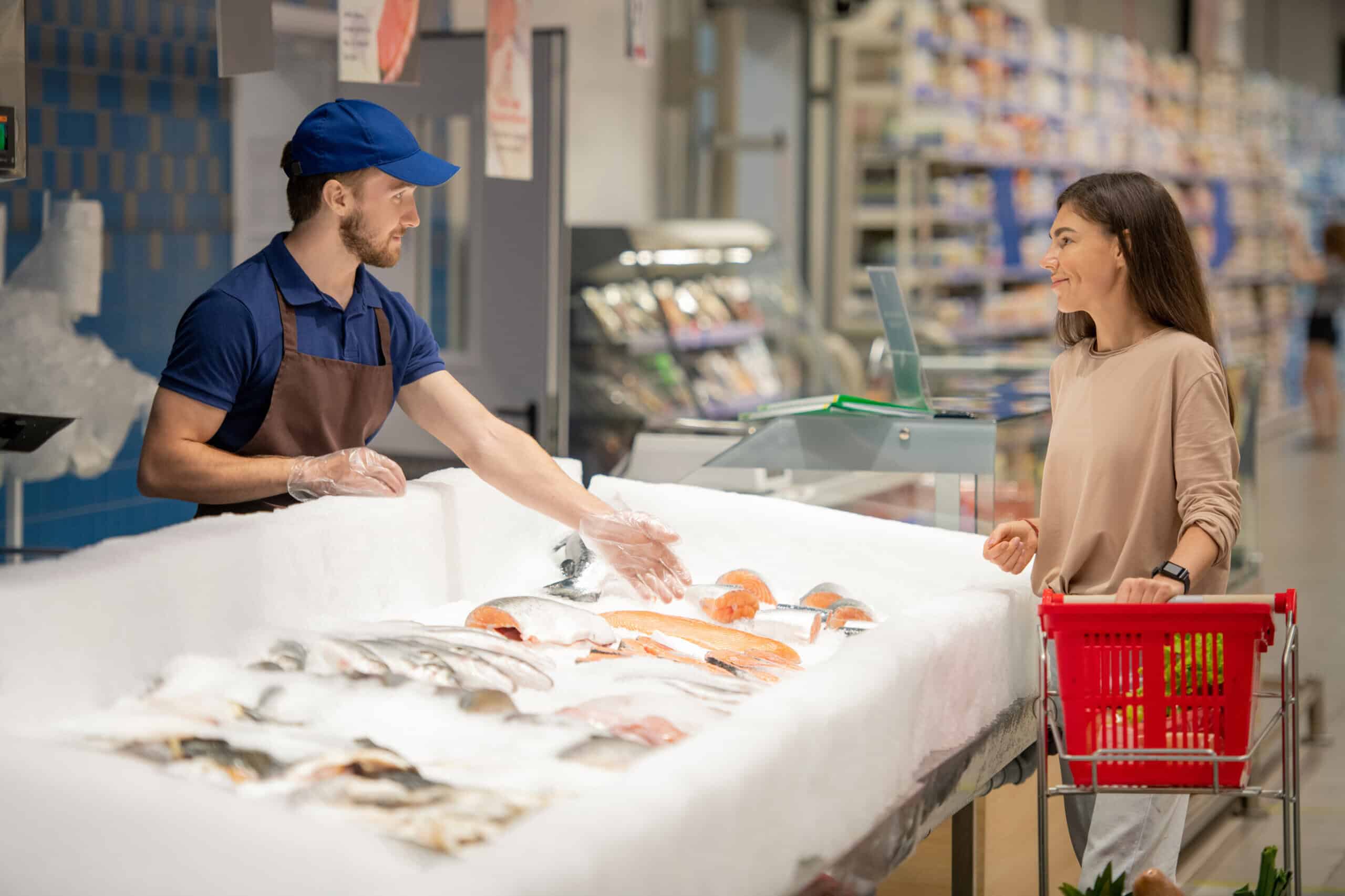
If “sushi-grade” isn’t the full picture, what should you look for instead?
1. Buy From a Reputable Source
This is the biggest one.
Whether it’s:
- A local fish market
- A trusted grocery store
- Or even a place like Costco
The key is knowing that they handle their seafood properly.
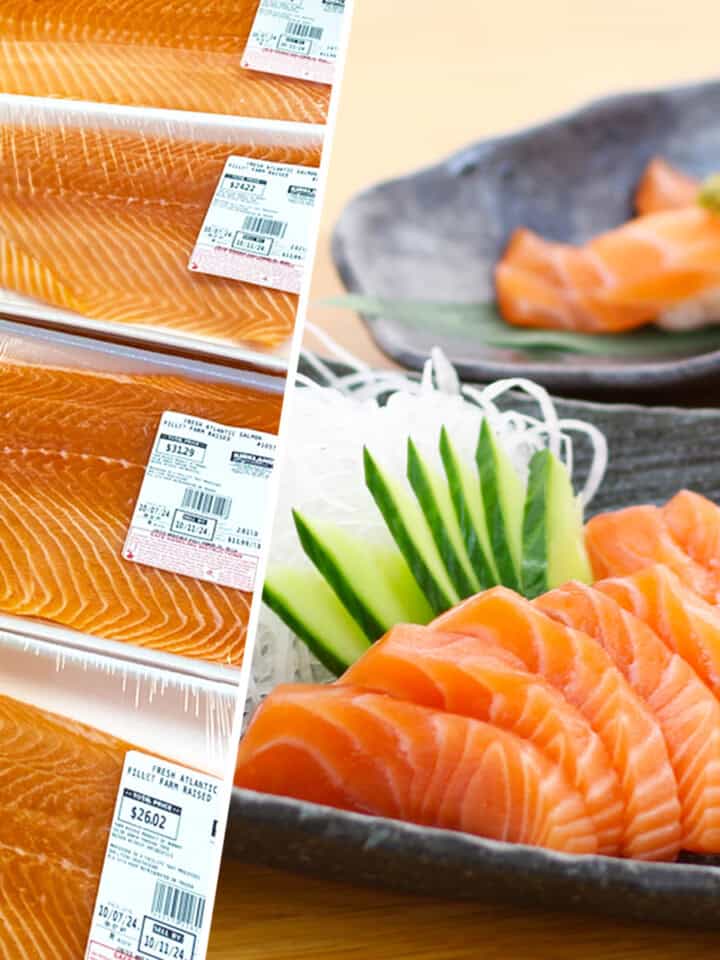
Costco is one example many home sushi makers ask about, especially when it comes to salmon. If that’s where you shop, my complete Costco salmon guide explains what I look for when choosing a fillet and how I prepare it for sushi and sashimi.
2. Ask Questions
Don’t be afraid to ask:
- Has this fish been previously frozen?
- When was it delivered?
- Is it commonly used for raw consumption?
A good fishmonger will have no problem answering these.
3. Use Your Senses
Even without a label, you can learn a lot just by looking:
- Appearance: Bright, not dull or discolored
- Smell: Should be clean, not overly “fishy”
- Texture: Firm, not mushy
If something feels off, it probably is.
4. Know What You’re Buying
Some fish are simply better suited for raw consumption than others.
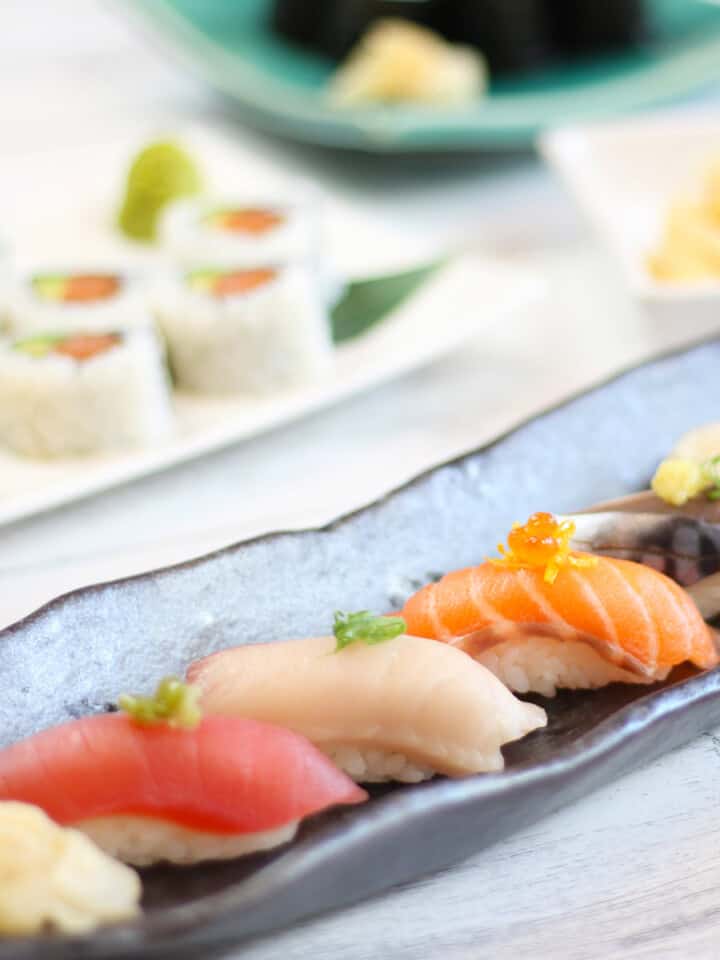
Starting with common, widely used options like salmon, tuna, and yellowtail is usually a safe and approachable way to begin.
🤷♂️So… Should You Trust “Sushi-Grade”?
Think of it this way:
“Sushi-grade” is a helpful guideline, but not a guarantee.
It can point you in the right direction, but it shouldn’t be the only thing you rely on.
What really matters is:
- Proper handling
- Safe freezing practices
- The reputation of the seller
- And your own awareness as a buyer
✍️Final Thoughts

The idea of making sushi at home can feel intimidating, and a lot of that comes from not knowing what’s safe or where to start. But once you understand what “sushi-grade” actually means, and what to look for beyond the label, it becomes a lot more approachable.
You don’t need a specialty shop or a perfect label. You just need a little knowledge, a trusted source, and the confidence to give it a try.
If you’ve ever been unsure about buying fish for sushi, hopefully this clears things up a bit, and makes that next trip to the seafood section feel a lot less intimidating.

Leave a Reply