
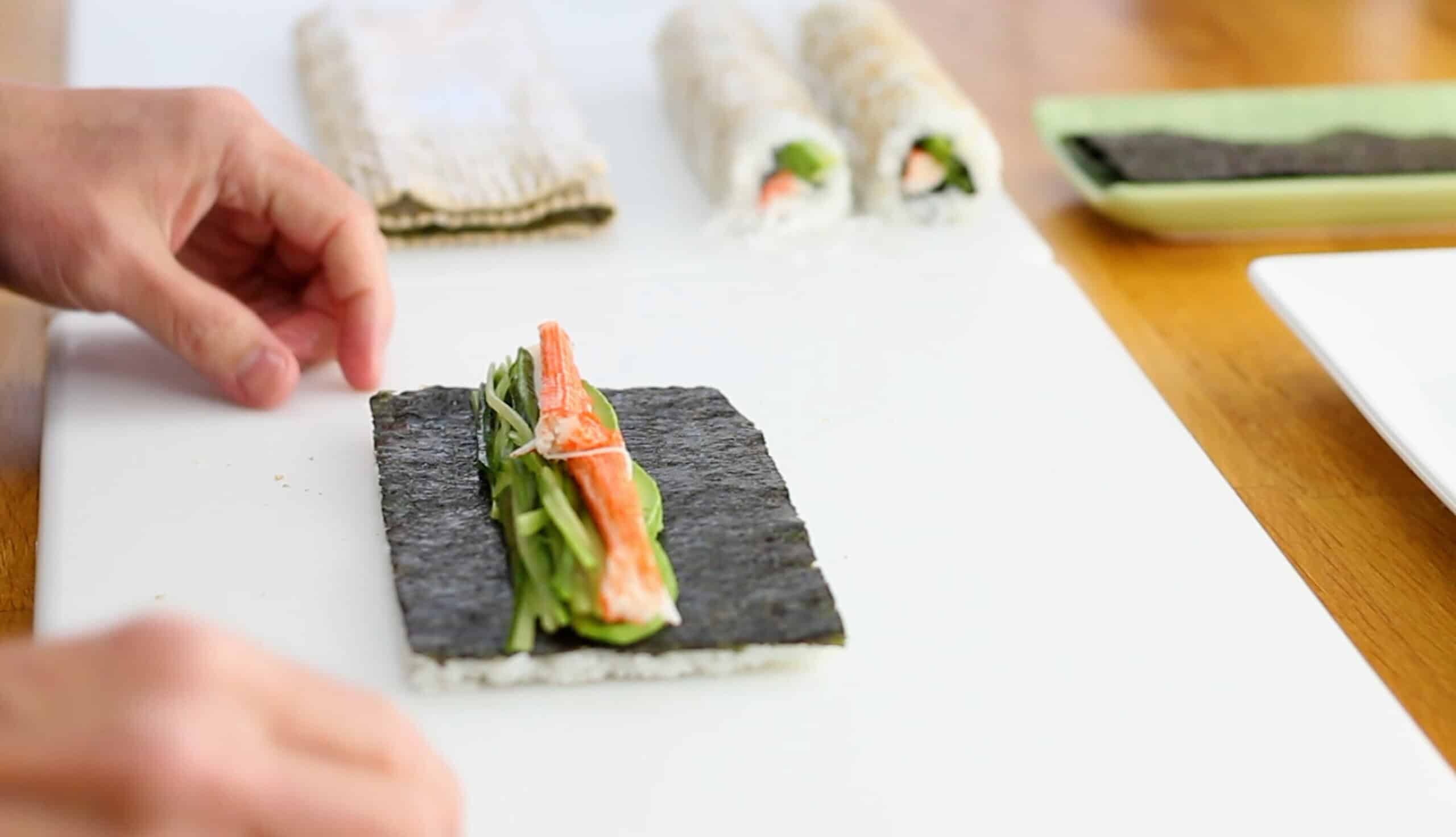
If you don’t have a makisu (bamboo mat), don't worry, your sushi career isn't over just yet. In fact, one of the easiest ways to roll sushi without a mat is a method that many beginners actually find less frustrating.
This method keeps things super simple:
- No special equipment needed
- Uses less plastic (if any)
- Gives you more control
Plus it's a great way to learn how sushi rolling actually works.
If you want to follow along visually, I also demonstrate this technique in the video below.
Jump to:
🍣Do You Need a Bamboo Mat to Roll Sushi?
The short answer is no. However, a bamboo mat does make things easier and cleaner by helping apply even pressure, shape the roll, and tighten everything together.
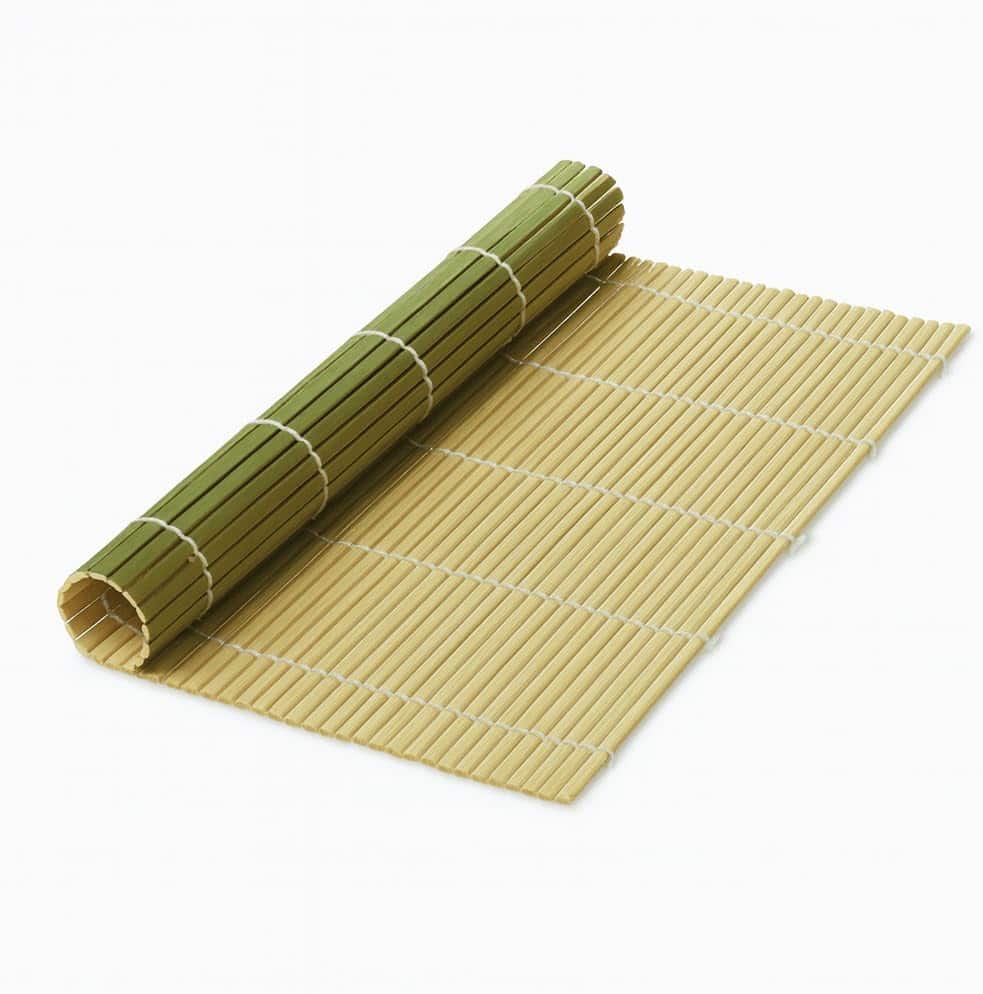
If you do plan on making sushi regularly, a simple makisu can definitely make the process easier. They’re inexpensive, beginner-friendly, and lasts a very long time, as long you take good care of it.
Here's one that I recommend:
That said, it’s helpful but optional. The actual rolling motion can absolutely be done without one. We’re also not here to discuss the mystical powers that tightly woven bamboo strands possess. You’re here because you either don’t have a bamboo mat, forgot to buy one, or just want another option that actually works.
More importantly, once you understand how the nori wraps around the fillings, you can make sushi using simple tools you probably already have at home.
🤲The Easiest Way to Roll Sushi Without a Bamboo Mat
Many tutorials recommend rolling sushi directly with plastic wrap or even using a kitchen towel instead of a bamboo mat. While those methods can work, I’ve seen countless beginners struggle with the plastic getting caught in the overlap, only for the roll to loosen while trying to remove it. And the towel usually just makes the whole process more awkward.
Instead, I recommend keeping things simple: roll the sushi naturally by hand first. Once the roll is formed, you can use plastic wrap, a Ziploc bag, or even parchment paper to gently shape and tighten everything together.
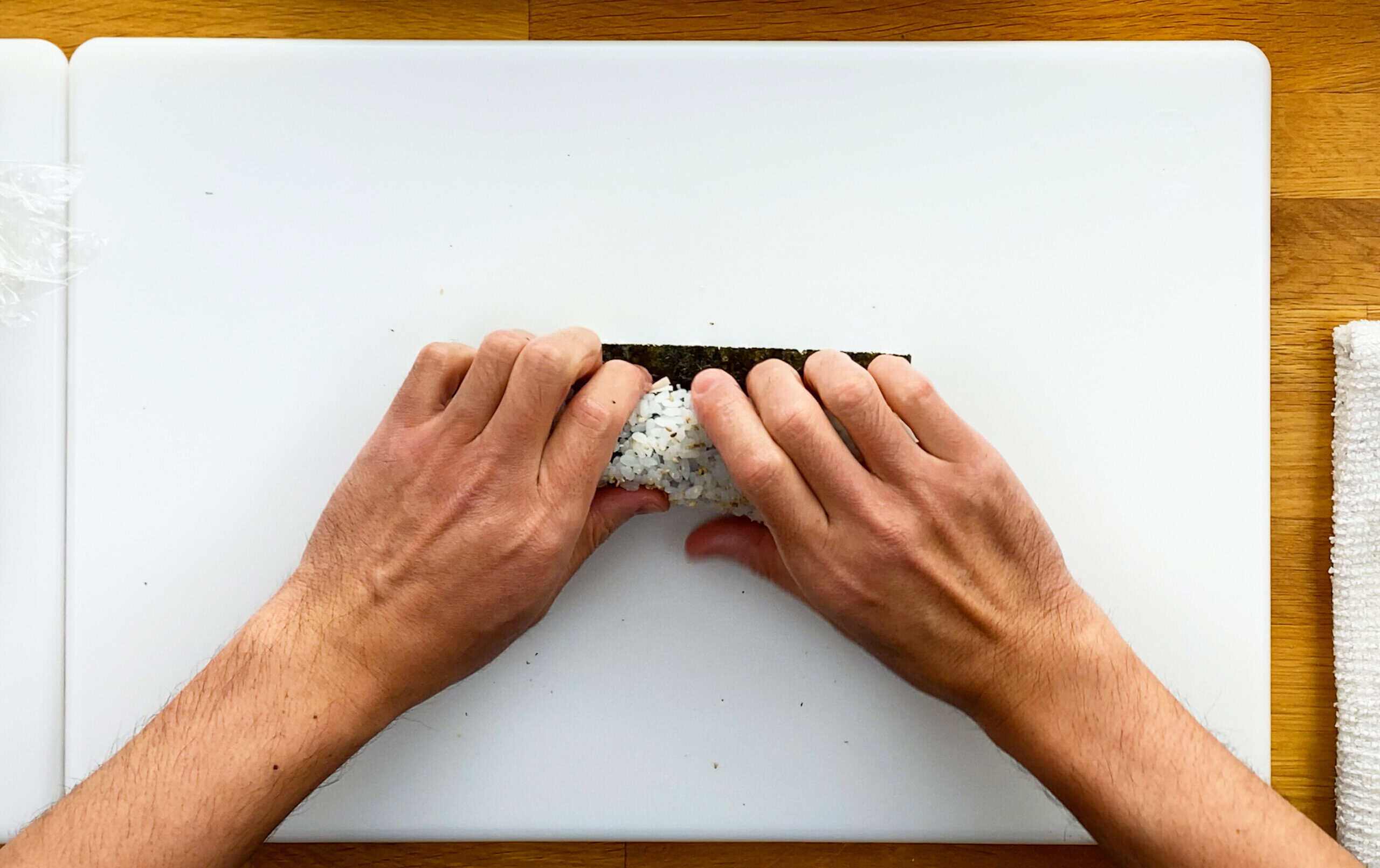
It’s easier to control, less messy, and helps avoid the dreaded “plastic stuck inside the sushi” situation that nobody wants to deal with.
What You’ll Need
- 1 sheet of nori
- Prepared sushi rice
- Sushi fillings
- Plastic wrap
- A dry cutting board or flat surface
👉 If you want a full step-by-step tutorial on how to make sushi rice, check out my guide here:
You can also watch my sushi rice video here:
🔪Step-by-Step: How to Roll Sushi Without a Bamboo Mat
1. Place the nori on a dry surface
Lay your nori shiny side down and rough side up on a dry cutting board.
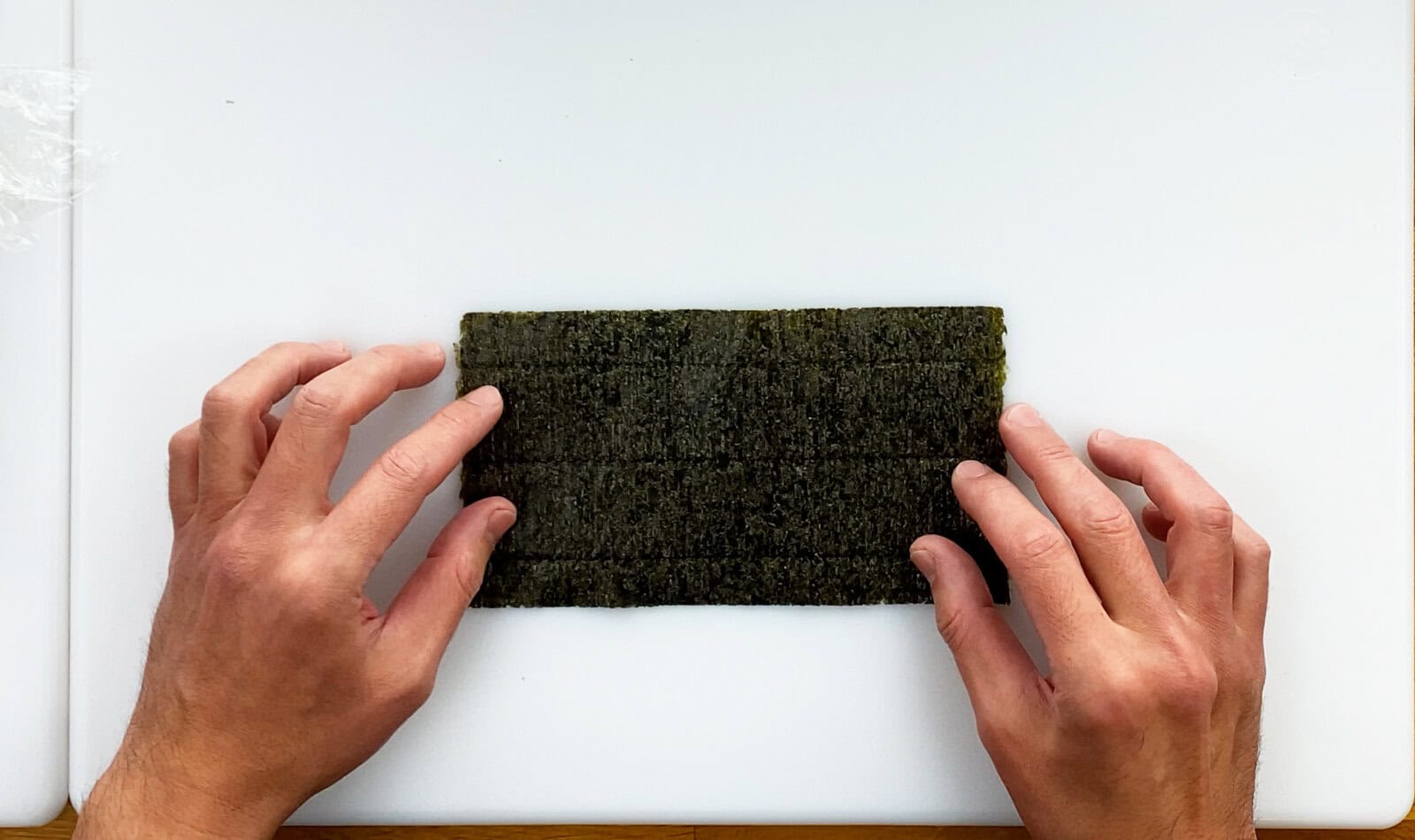
Make sure the surface is dry. Too much moisture can cause the nori to stick or soften too quickly.
2. Spread the sushi rice evenly
Wet your hands lightly to prevent sticking.
Then spread a thin, even layer of sushi rice across the nori, covering the edges as evenly as possible.
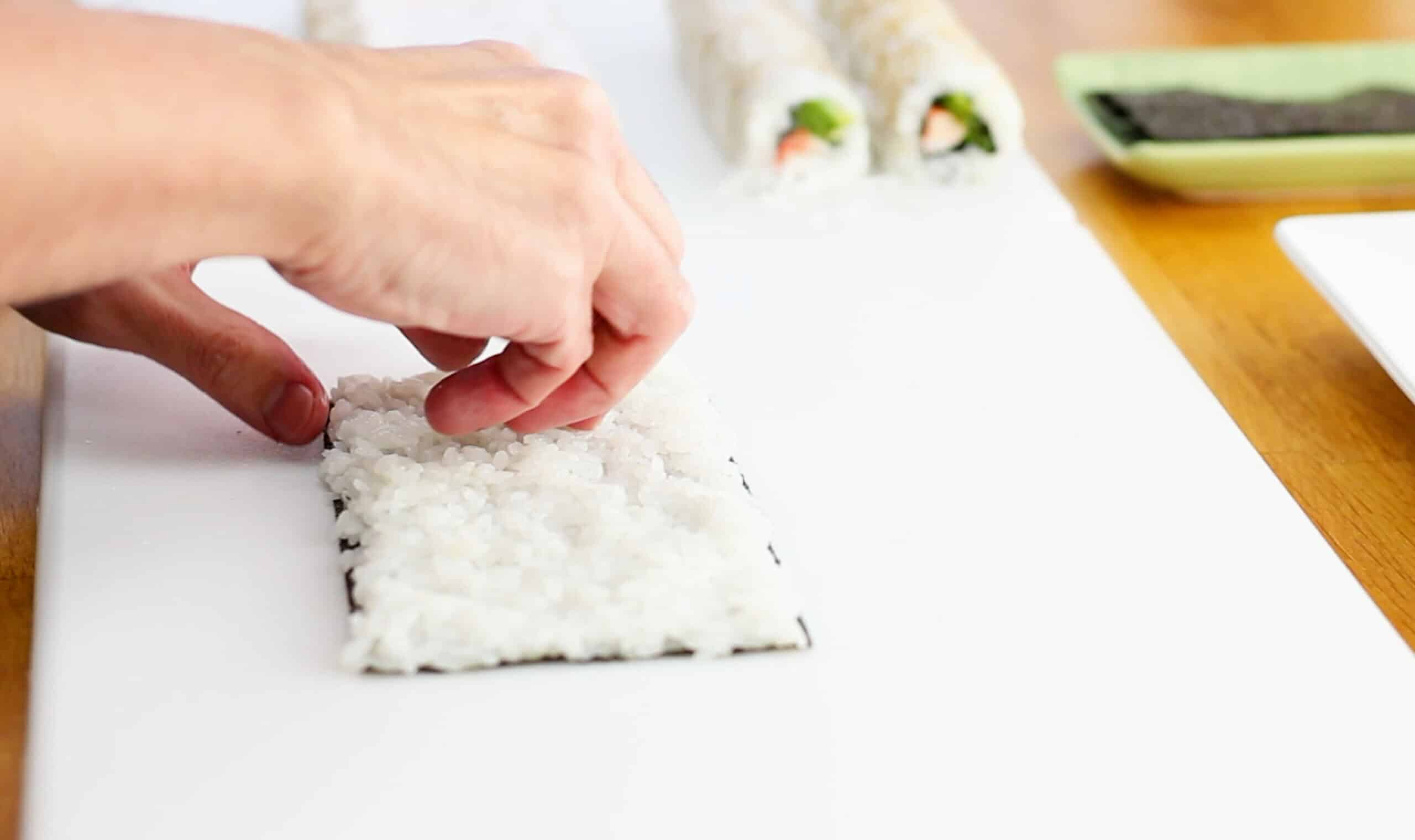
Try not to overload the roll with rice. Too much rice makes the sushi harder to control and shape.
3. Flip the nori over
Carefully flip the rice-covered nori over so the rice is now facing down. This creates an inside-out roll (uramaki), where the rice stays on the outside.
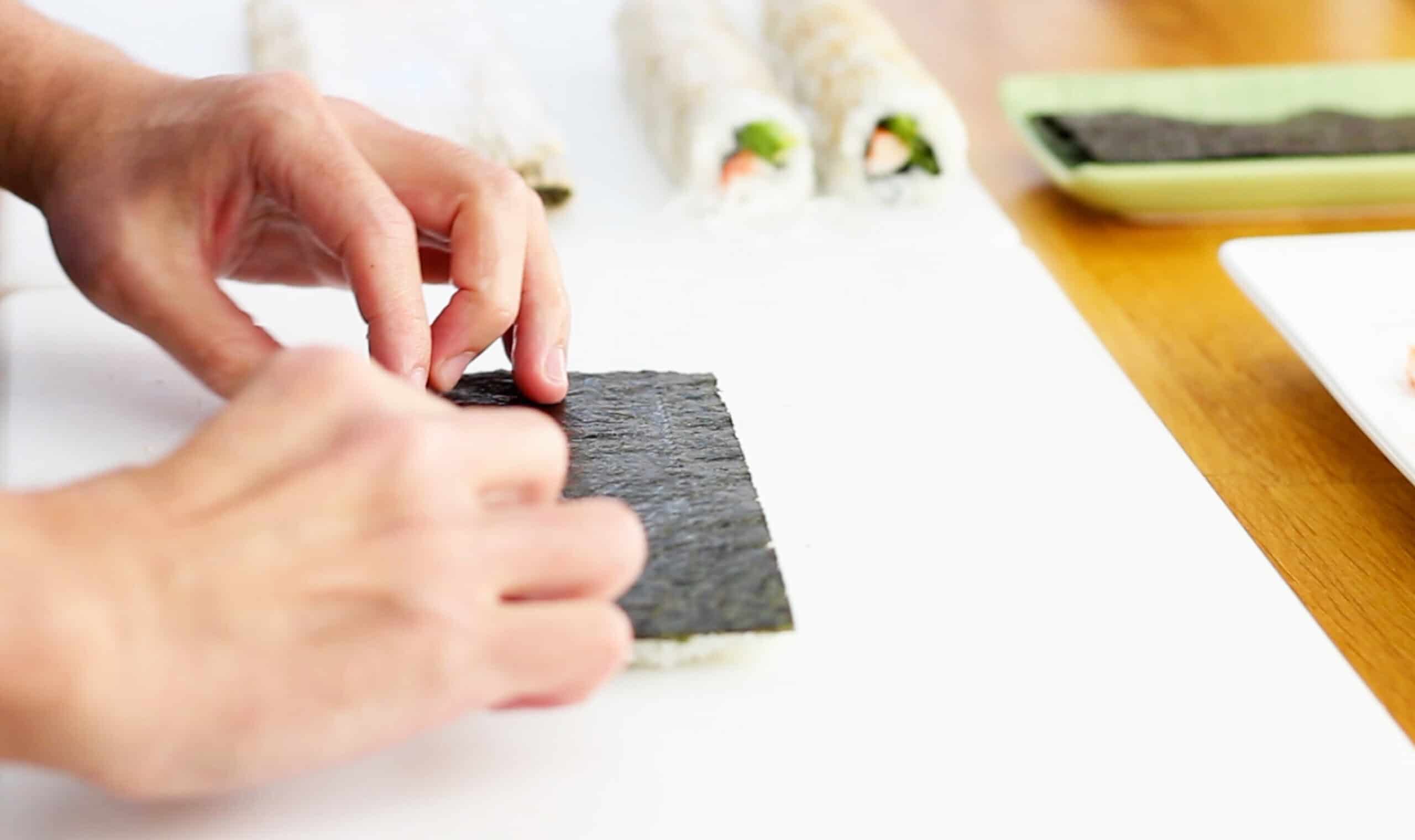
👉Pro Tip - If you notice that the rice sticks to the cutting board, slightly wet the surface with a damp kitchen towel. This will help prevent the rice from sticking.
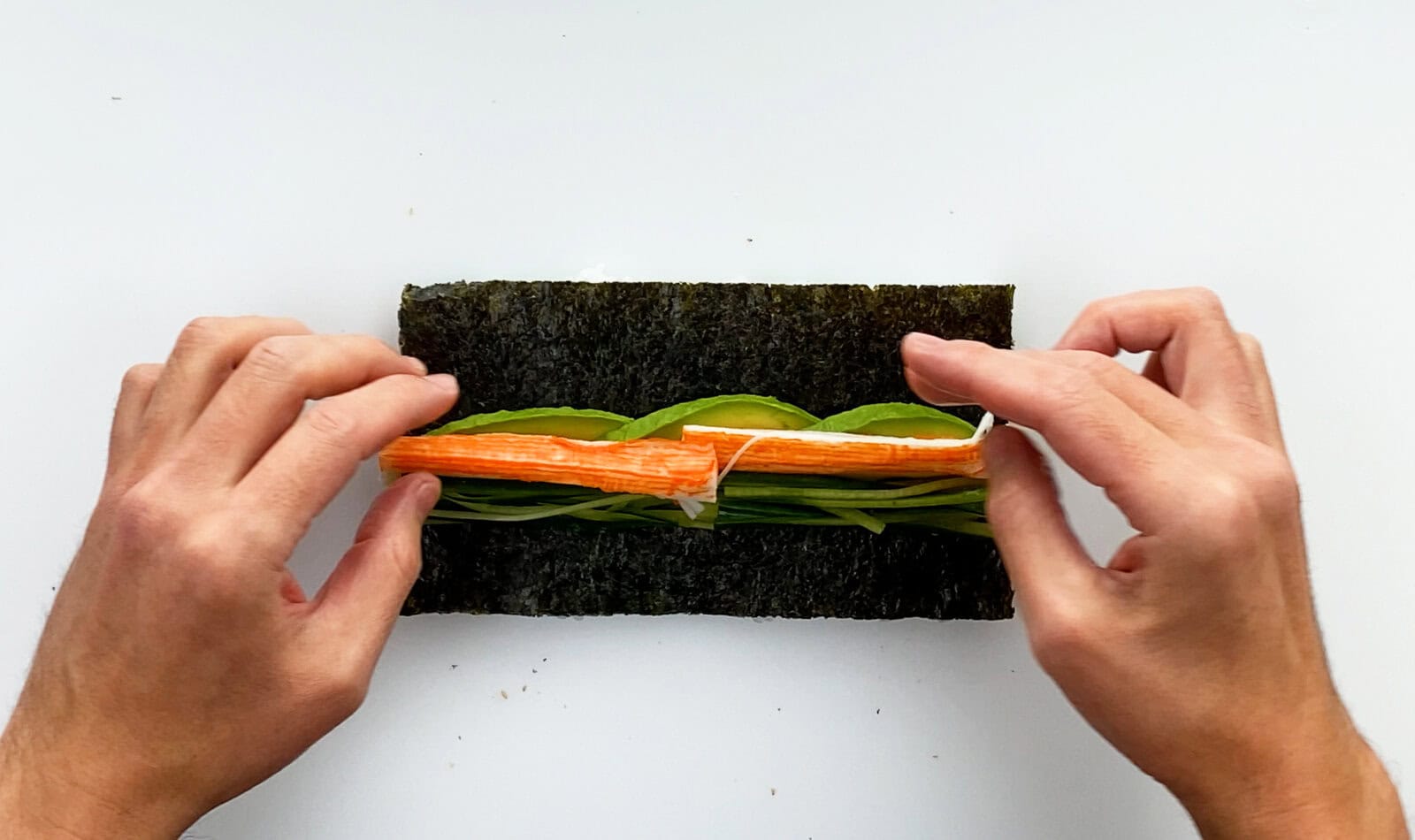
4. Add your fillings
Place your fillings across the center of the nori, but try not to overfill it. Simpler rolls are much easier to control and usually come out cleaner in the end.
5. Roll the sushi by hand
Wet your palm and fingers lightly. Using your fingertips, lift the edge of the nori closest to you and begin rolling it forward around the fillings.
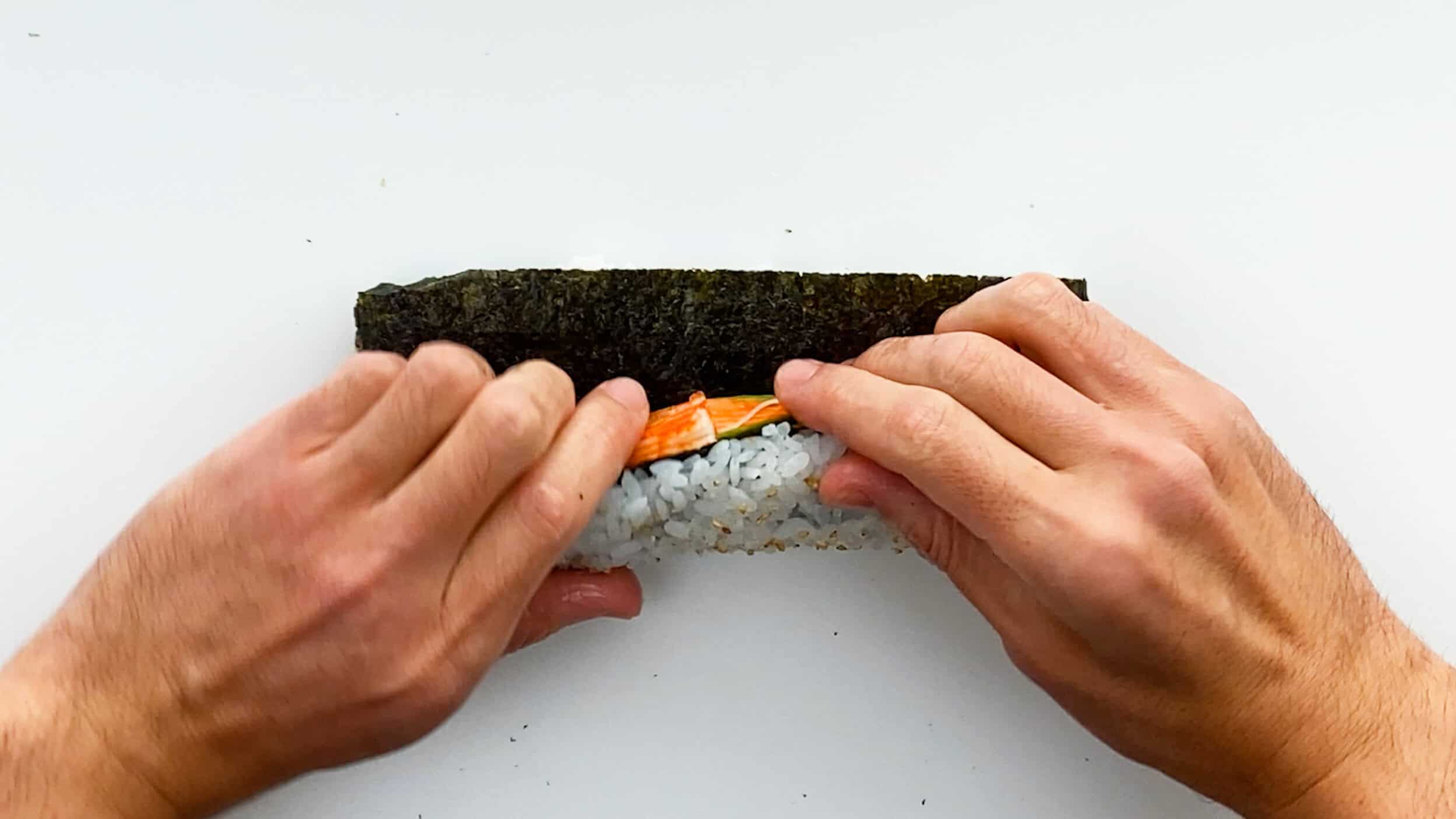
The key here is to be quick and precise. If you take too long, the rice can start to separate and your hands may dry out, creating an extremely sticky situation.
Continue rolling until the sushi closes naturally, with the seam resting on the bottom.
At this stage, don’t worry if the shape isn’t perfect yet. The goal right now is simply to get the roll formed.
6. Use plastic wrap to shape and tighten the roll
Once the sushi is rolled, wrap it gently in a sheet of plastic wrap.
Then use your hands to shape and tighten the roll evenly from all sides.
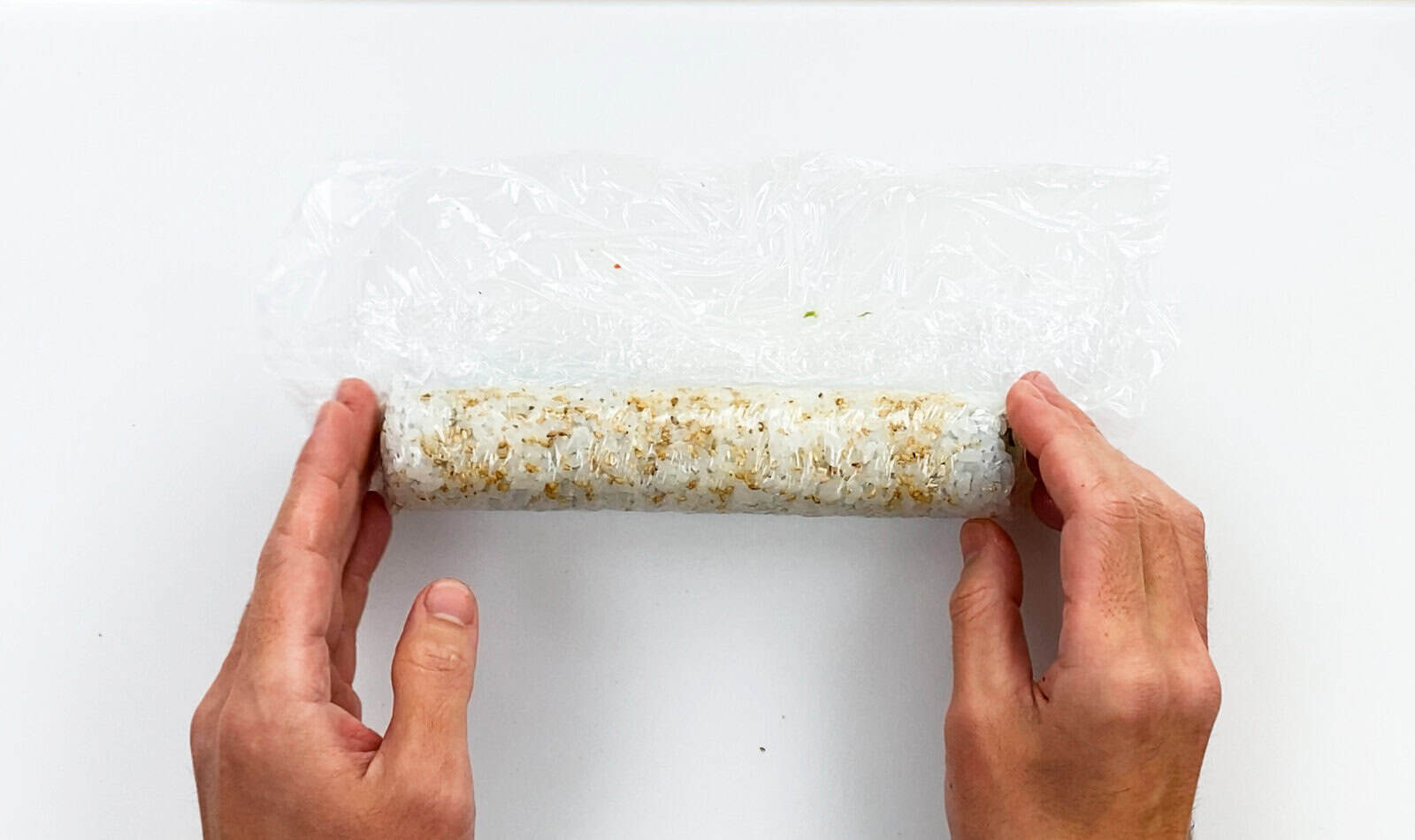
This works similarly to a bamboo mat, but without needing any special equipment. Don’t forget to gently push in the ends as well, which helps create cleaner and more attractive end pieces. Plus, there’s no reason those end pieces need to go to waste.
7. Slice the sushi carefully
Use a sharp knife and make sure the blade is clean before slicing. It also helps to lightly dampen the knife by dipping it in water and letting the excess trickle down the edge of the blade. You can also use a clean damp towel to wipe and moisten the knife between cuts.
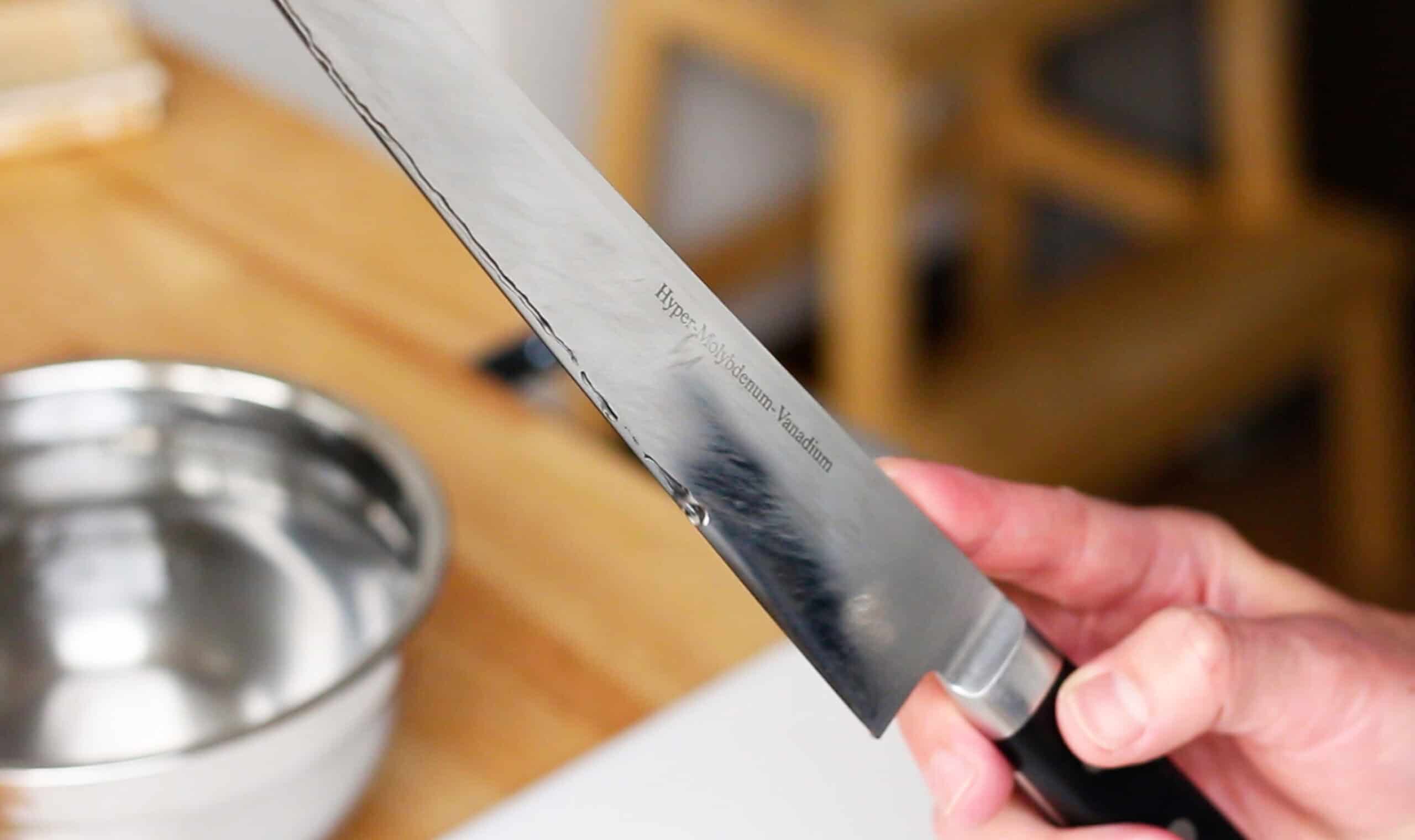
If you want some tips on how to choose the right sushi knife for you, check out my Best Knives for Sushi guide here:
⚠️Common Mistakes When Rolling Sushi Without a Mat
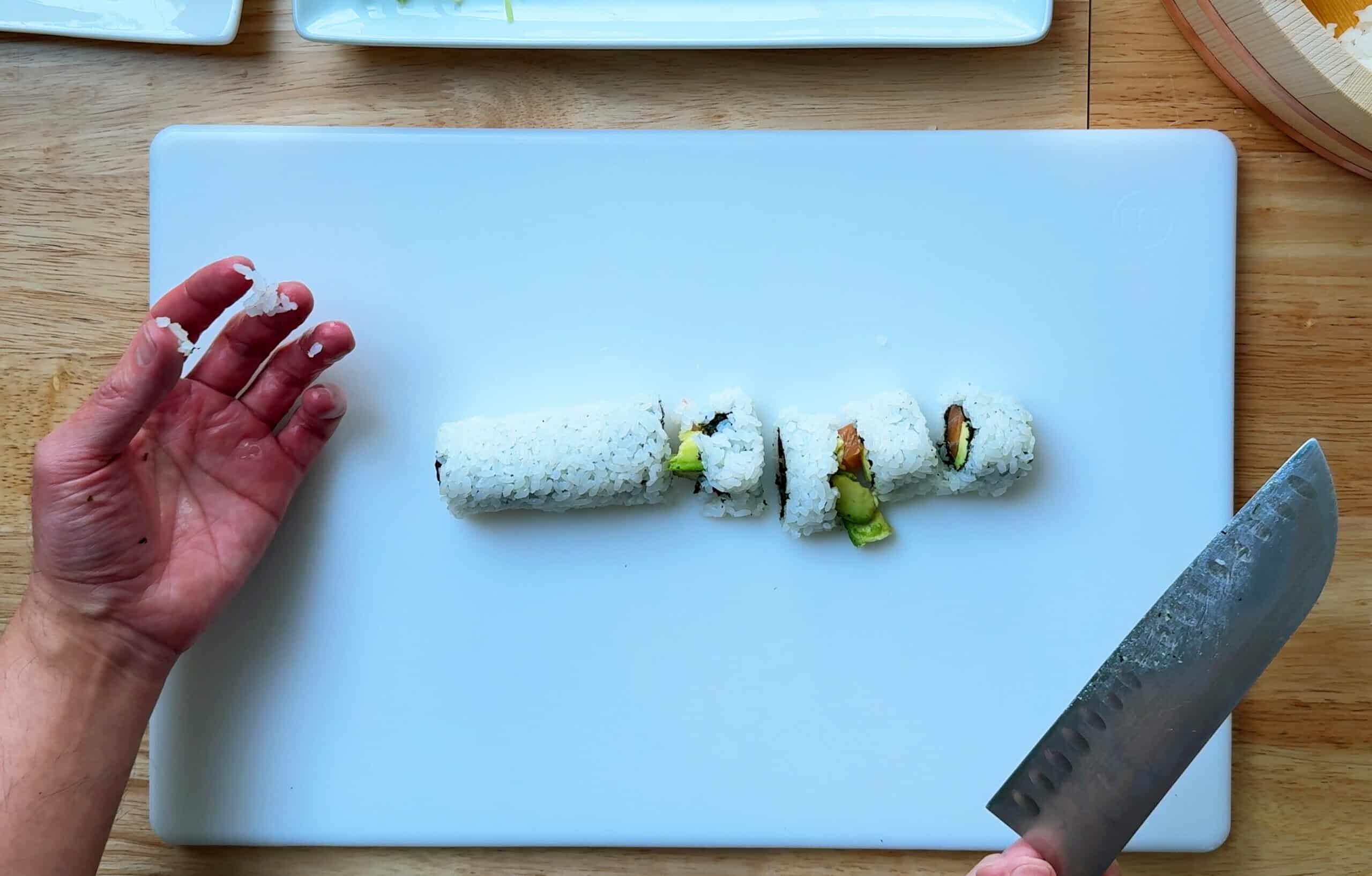
Incorrect rice amount
One of the most common mistakes beginners make is using too much rice or too little rice. Excess rice makes the roll bulky, harder to close, and more difficult to shape evenly. On the other hand, using too little rice can throw off the balance and texture of the sushi.
Start lighter than you think you need and add more only if necessary. After a little practice, you’ll naturally develop a feel for exactly how much rice each roll needs.
If your sushi rolls keep falling apart, becoming overstuffed, or turning into oddly shaped rice torpedoes, don’t worry, these are all extremely common beginner issues. I go into more detail on how to fix them in my guide on the most common sushi mistakes beginners make.
Overfilling the sushi
Beginners also tend to add too many ingredients at once. I mean, I get it, you’re hungry and your brain is telling you to keep piling things on. But simpler rolls are much easier to control and usually come out cleaner in the end.
A good rule of thumb is:
- Hosomaki (thin roll with seaweed on the outside): 1–2 ingredients
- Uramaki (inside-out roll with rice on the outside): 2–3 ingredients
- Futomaki (large roll with seaweed on the outside): 4–6 ingredients
And yes, use a full sheet of nori for larger rolls. Trying to squeeze a giant futomaki into a half sheet usually ends in disappointment.
Rolling too slow
When rolling sushi by hand, speed matters more than most people realize. If you take too long, the rice can start separating and the roll may loosen or fall apart before it seals itself together.
You don’t need to aim for a Guinness World Record, but if your rolls constantly unravel, there’s a good chance you’re simply rolling too slowly.
Pressing too hard while shaping
You want gentle but firm pressure. It sounds a little contradictory, but pressing too hard will crush the rice and force the fillings out the sides.
Also pay attention to how you apply pressure. Beginners often push straight down from the top, which creates bell-shaped sushi pieces instead of the cleaner rounded-square shape most sushi rolls have.
Unless, of course, you’re intentionally making Christmas ornament sushi.
Using a dull knife
A dull knife can crush the sushi, tear the nori, and drag the fillings out the sides instead of giving you clean slices. So if your sushi constantly looks like the aftermath of a Mortal Kombat fatality, the knife may be the real problem, not your rolling technique.
Trying to make it perfect immediately
Rolling sushi takes practice, repetition, and a bit of patience. Focus on consistency first, and the clean professional-looking rolls will come naturally over time.
🧑🍳Other Ways to Roll Sushi
Once you get comfortable rolling sushi by hand, there are a couple other techniques worth experimenting with.
Using a Bamboo Mat Wrapped in Plastic
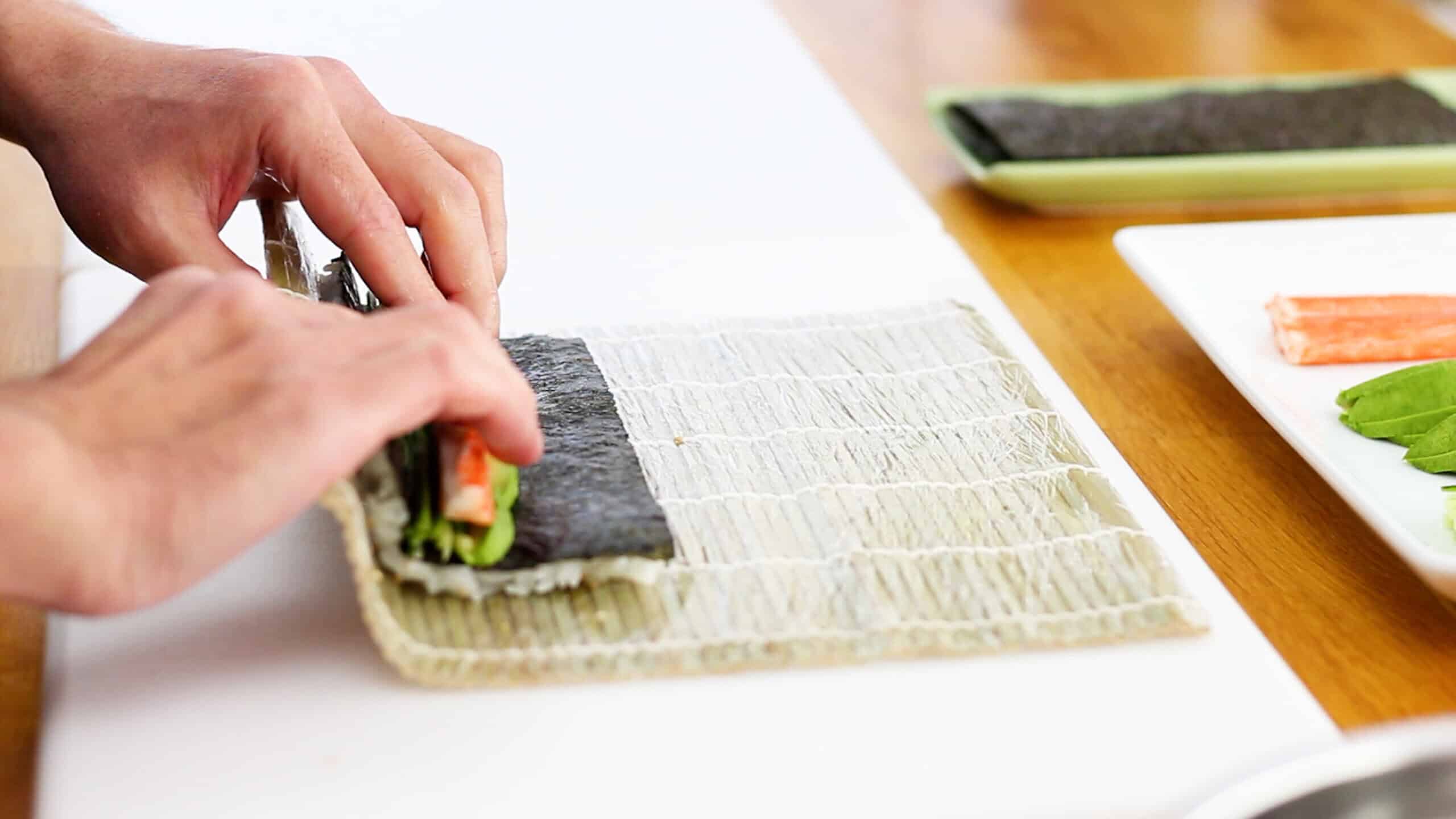
This is the traditional beginner setup and one of the easiest ways to get clean, consistent results. If you plan on making sushi regularly, I highly recommend learning this method.
Wrapping the bamboo mat in plastic helps prevent rice from sticking and also makes cleanup much easier, especially when making uramaki (inside-out rolls with rice on the outside).
Using a Bamboo Mat with a Separate Sheet of Plastic
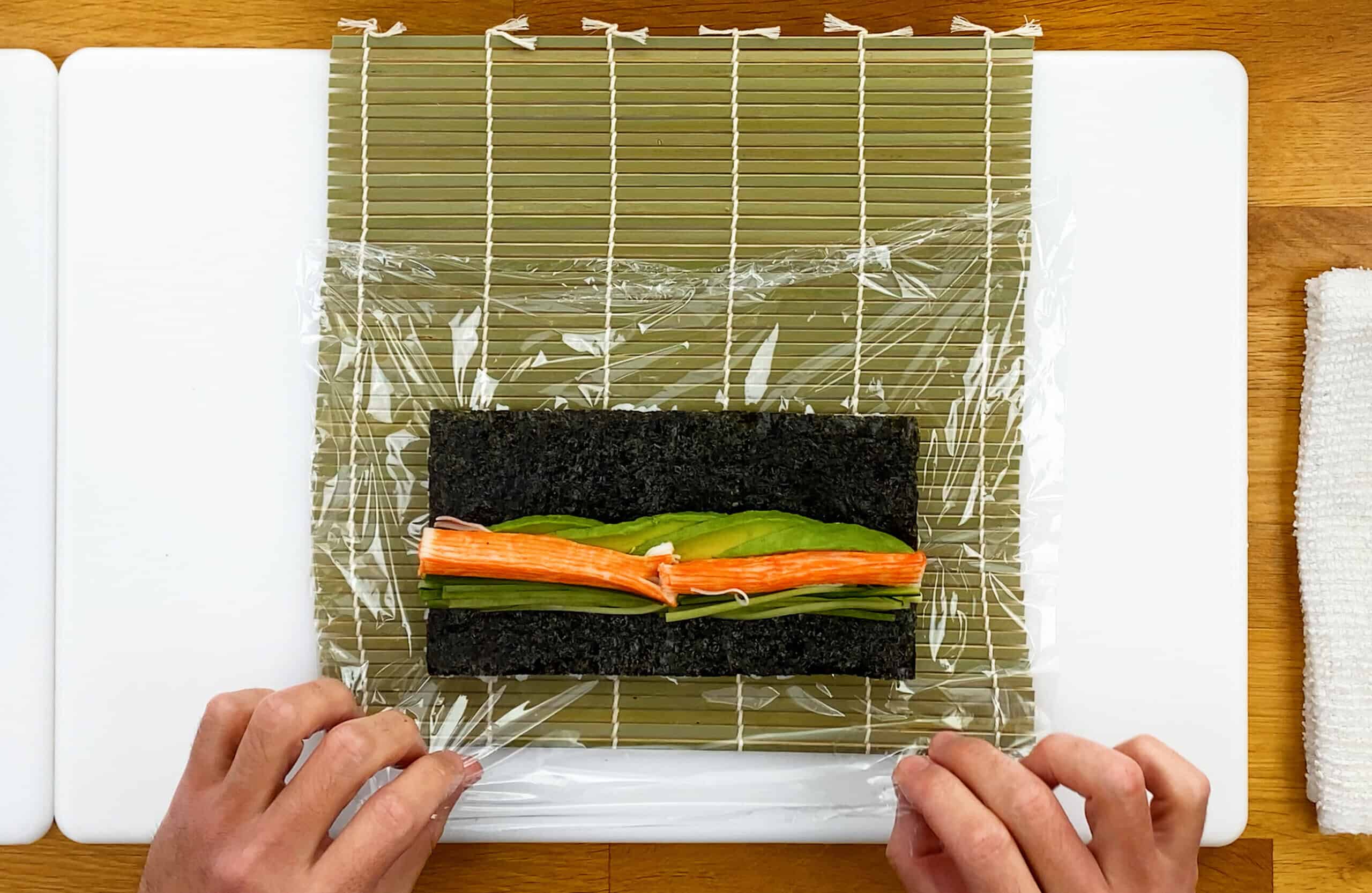
If you don’t want to wrap the entire bamboo mat in plastic but still want a clean and mess-free way to roll sushi, this is another great option.
For each roll, simply place a separate sheet of plastic wrap between the rice and bamboo mat (only for rolls with rice on the outside). It works similarly to using a fully wrapped bamboo mat, but often uses less plastic overall depending on how many rolls you’re making.
An added bonus is that the finished roll is already wrapped in plastic, which helps prevent it from drying out while you prepare other ingredients or rolls.
If you want a closer look at both of these techniques, check out my How to Make Uramaki Sushi video.
💡Final Tips for Better Sushi Rolls
A few small details make a huge difference:
- Keep the sheet of nori dry until the rice is placed on it
- Slightly wet your hands and fingers to prevent sticking
- Don’t overload the roll with rice or fillings
- Apply even pressure from all sides
- Use a sharp knife for cleaner slices
- Keep the blade clean and moisten between cuts
🍱Final Thoughts
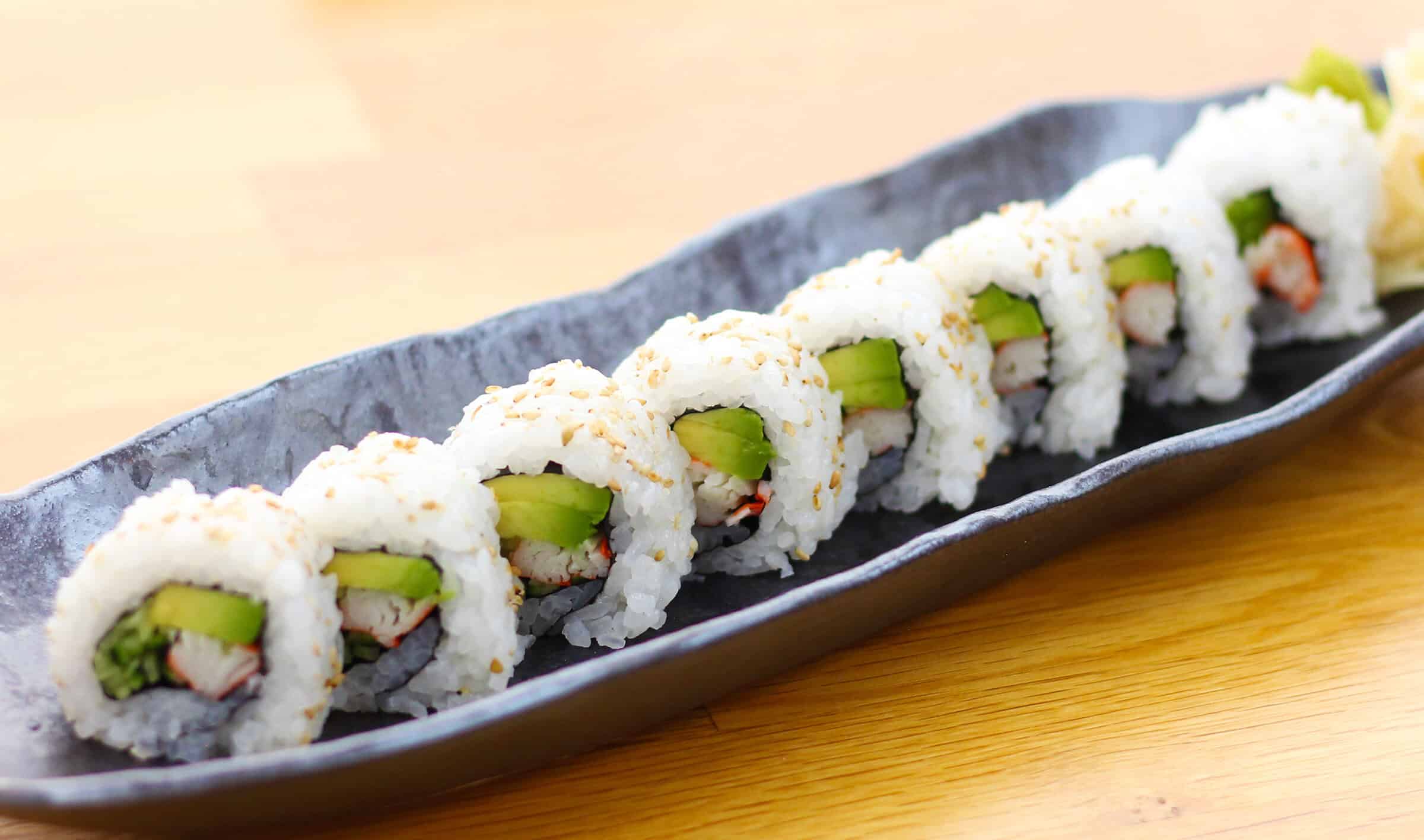
A bamboo mat definitely helps, but it’s not required.
If you’re just getting started, this method is one of the easiest ways to learn sushi rolling without buying extra tools or fighting with plastic wrap during the roll itself.
Once you understand the basic motion, sushi making becomes much less intimidating.
Start simple, practice often, and focus on consistency over perfection. You got this!
❓Common Questions (FAQ)
Absolutely. A bamboo mat helps apply even pressure and makes shaping easier, but it’s not required. Once you understand how the nori wraps around the fillings, you can roll sushi surprisingly well just using your hands and a little plastic wrap for shaping afterward.
For many beginners, this method actually feels less frustrating than fighting with a bamboo mat right away.
Plastic wrap, parchment paper, or even a Ziploc bag can help shape and tighten the roll after it’s formed. Some people also use kitchen towels, but personally, I find that method a bit awkward and harder to control.
The easiest approach is to simply roll the sushi naturally by hand first, then use plastic wrap afterward to tighten and shape everything evenly.
The most common reason for this is using too much rice or overfilling the roll. Both make the sushi harder to close and much more difficult to control.
When rolling sushi without a bamboo mat, speed also matters more than most beginners realize. If you take too long, the rice can start separating before the roll seals itself together.
Keeping the fillings simple, rolling with quick confident movements, and slightly dampening your hands can make a huge difference.
Because sushi rice has apparently dedicated its entire existence to becoming one with your fingers.
Lightly wetting your hands before handling the rice helps prevent sticking. Just don’t soak them. Too much water can make the rice overly wet and difficult to work with.
A small bowl of water nearby is usually all you need.
At first, maybe a little. But honestly, learning to roll sushi by hand can actually help you understand the rolling process better because you’re relying more on feel and technique instead of the mat doing all the work.
Once you get comfortable with the basic motion, making sushi becomes much less intimidating overall.

Leave a Reply