
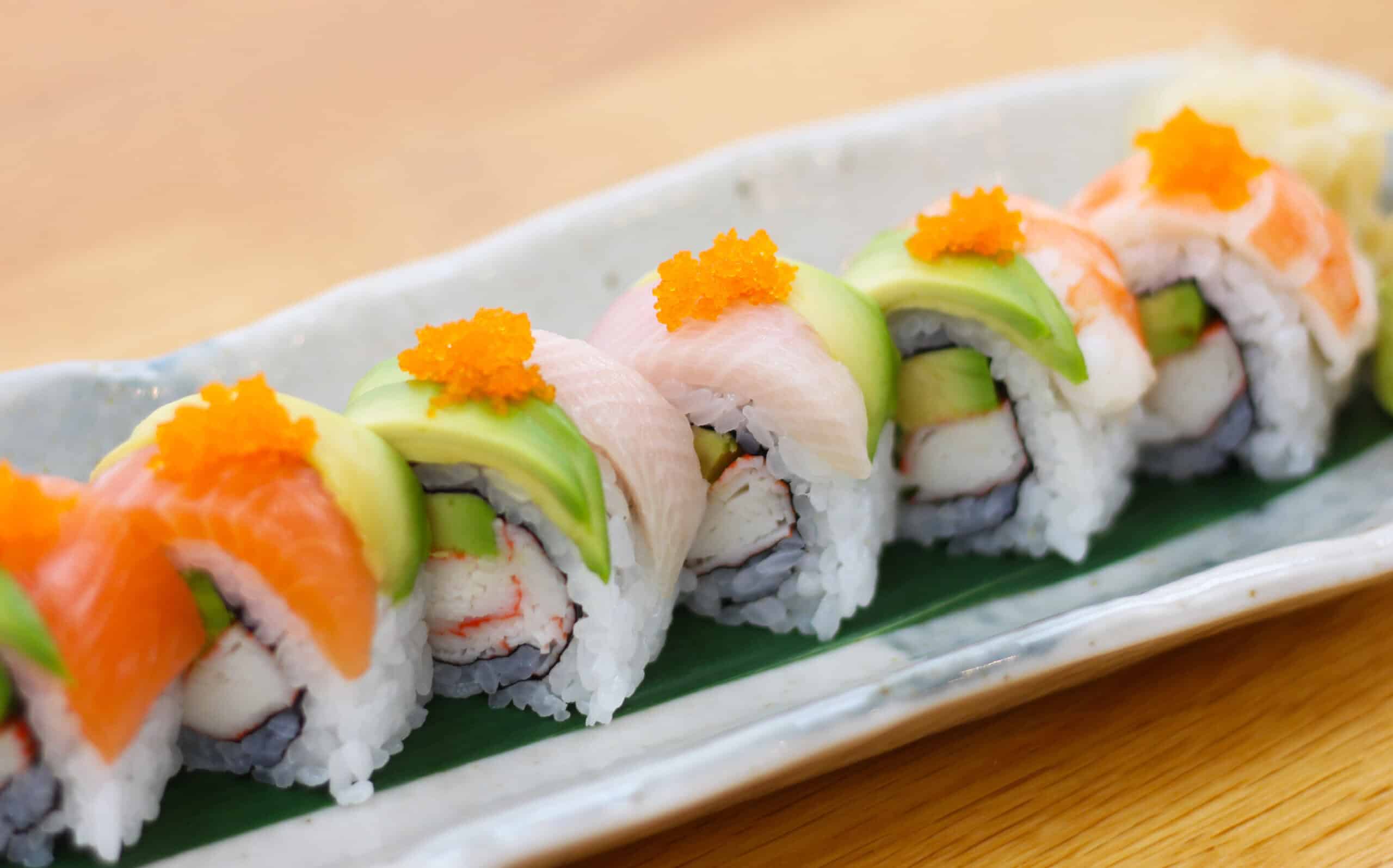
Bad sushi at home usually doesn’t come from a lack of effort. Most of the time, it comes down to a few small mistakes.
If your rolls are falling apart, your rice feels off, or your cuts look like you used a butter knife to cut cardboard, you're not alone. These are the same issues I see over and over again. The good news is they’re all fixable. Once you clean up a few of these basics, making sushi at home becomes a lot less frustrating, and a lot more fun.
If you want to see everything in action, I break it all down step-by-step here:
Jump to:
🍚1. Most Sushi Problems Start with the Rice
If there’s one thing that matters more than anything else in sushi, it’s the rice. That surprises a lot of people because most beginners focus on the fish, the fillings, or even the sauces.
But sushi actually refers to the vinegared rice, not the raw fish. So when the rice is off, everything else feels off too.
Use the Right Type of Rice
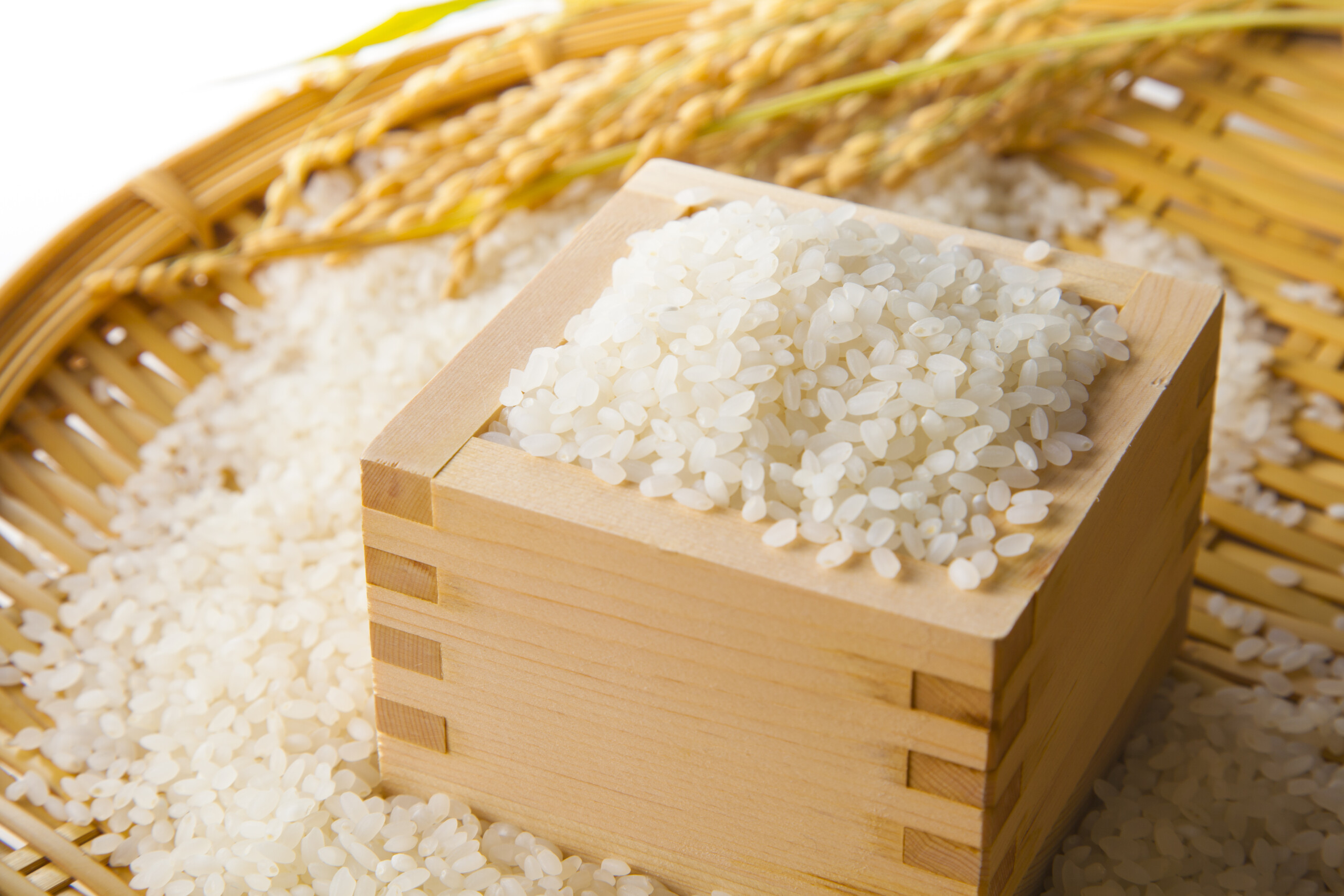
Not all rice works for sushi. You want Japanese short-grain rice (some medium-grain can work as well) because it has the right amount of starch to hold together when you shape it, stay soft and tender, and still separate cleanly when you eat it.
Stay away from long-grain rice like jasmine or basmati, which won’t stick properly. On the other end, glutinous rice is too sticky. If you start with the wrong rice, you’re already fighting an uphill battle.
How You Make the Rice Matters Just as Much
Even if you buy the right rice, the process still matters. If it’s undercooked, overcooked, too wet, or not seasoned properly, it becomes hard to work with. It may fall apart, clump together, or just taste flat.
If you’re new to sushi, this is the first skill worth getting right.
👉 If you want a full step-by-step tutorial, check out my guide on how to make sushi rice at home.
Once your rice is right, everything else gets easier.
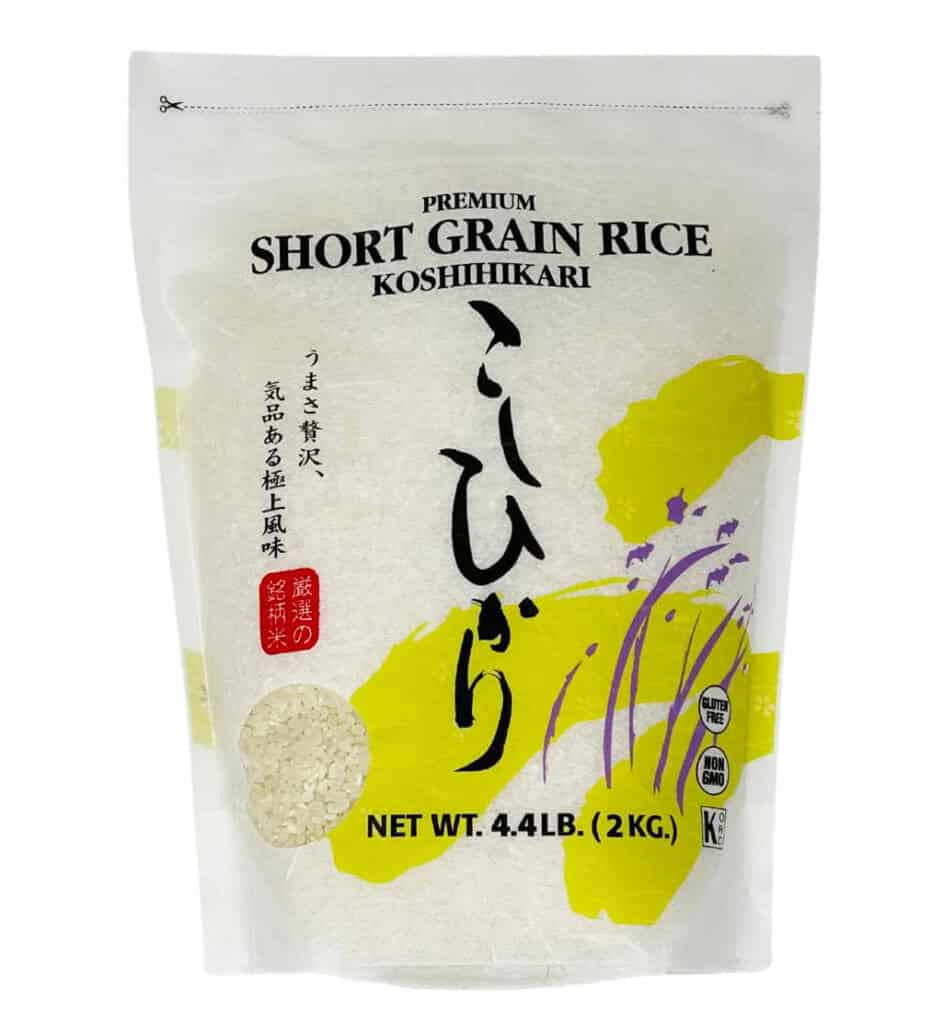
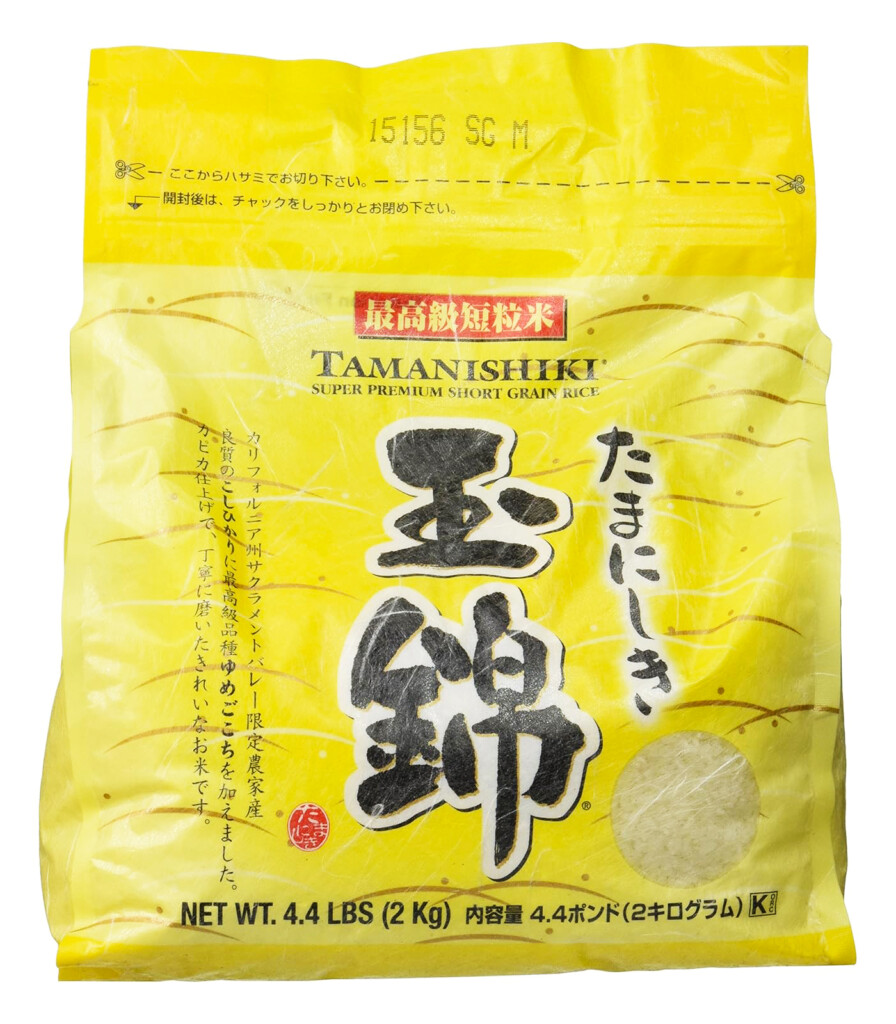
Here are a couple of my favorite brands of rice to use for sushi:
💧2. Using Too Much Water on Your Hands
This is one I see all the time. Yes, you should use cold water or tezu (a mix of rice vinegar and water) to keep the rice from sticking to your hands. But too much water creates a whole new set of problems.
If your hands are soaking wet… like “there are no paper towels in the restroom” wet, the rice gets soggy and the rolls won’t hold their shape. On top of that, the nori can get soft and harder to work with.
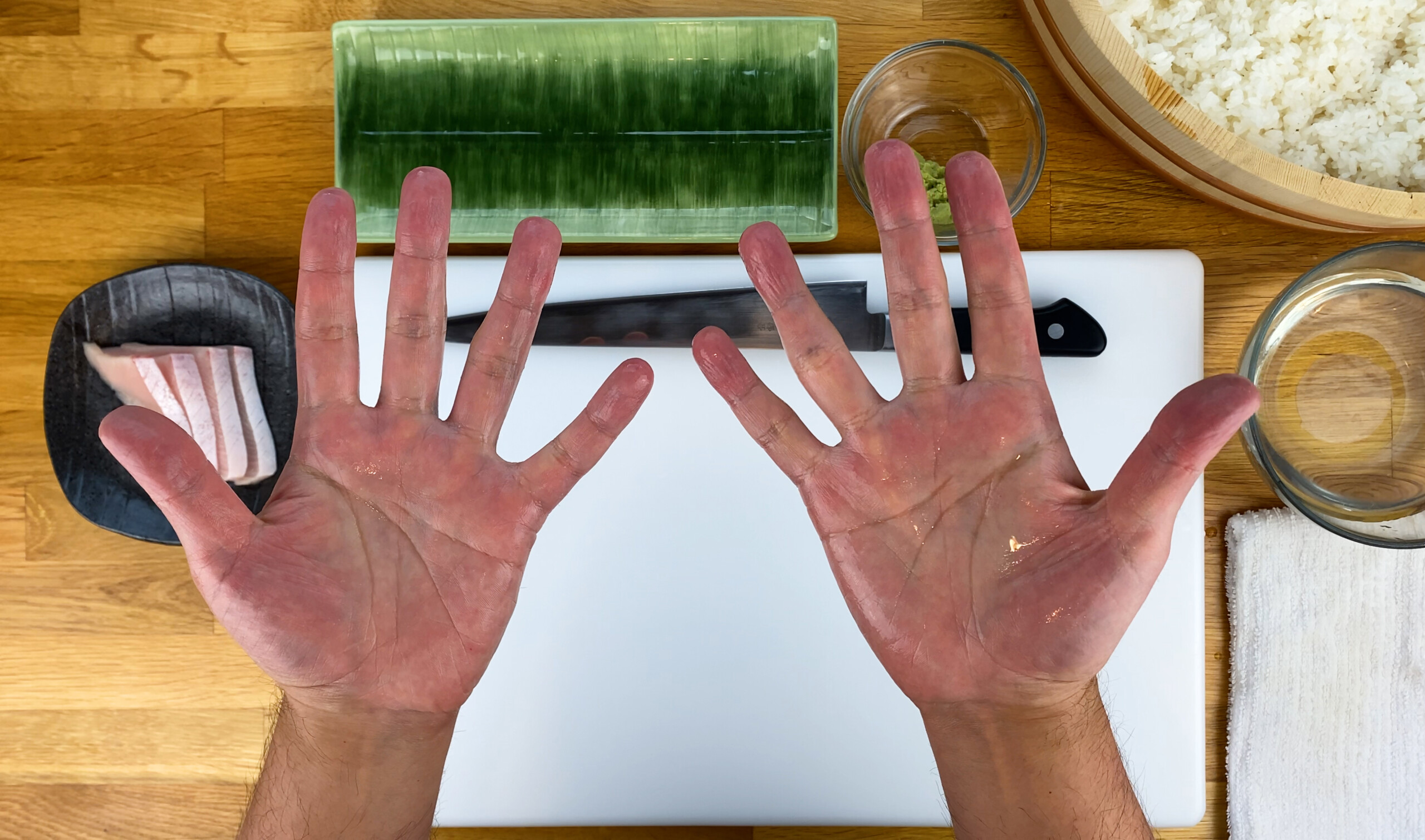
The goal is simple: your hands should be lightly wet, just enough for your palms to look shiny, not dripping. A quick dip and spread is all you need. And you can reapply as often as needed, just use a small amount each time.
🍣3. Overstuffing Your Rolls
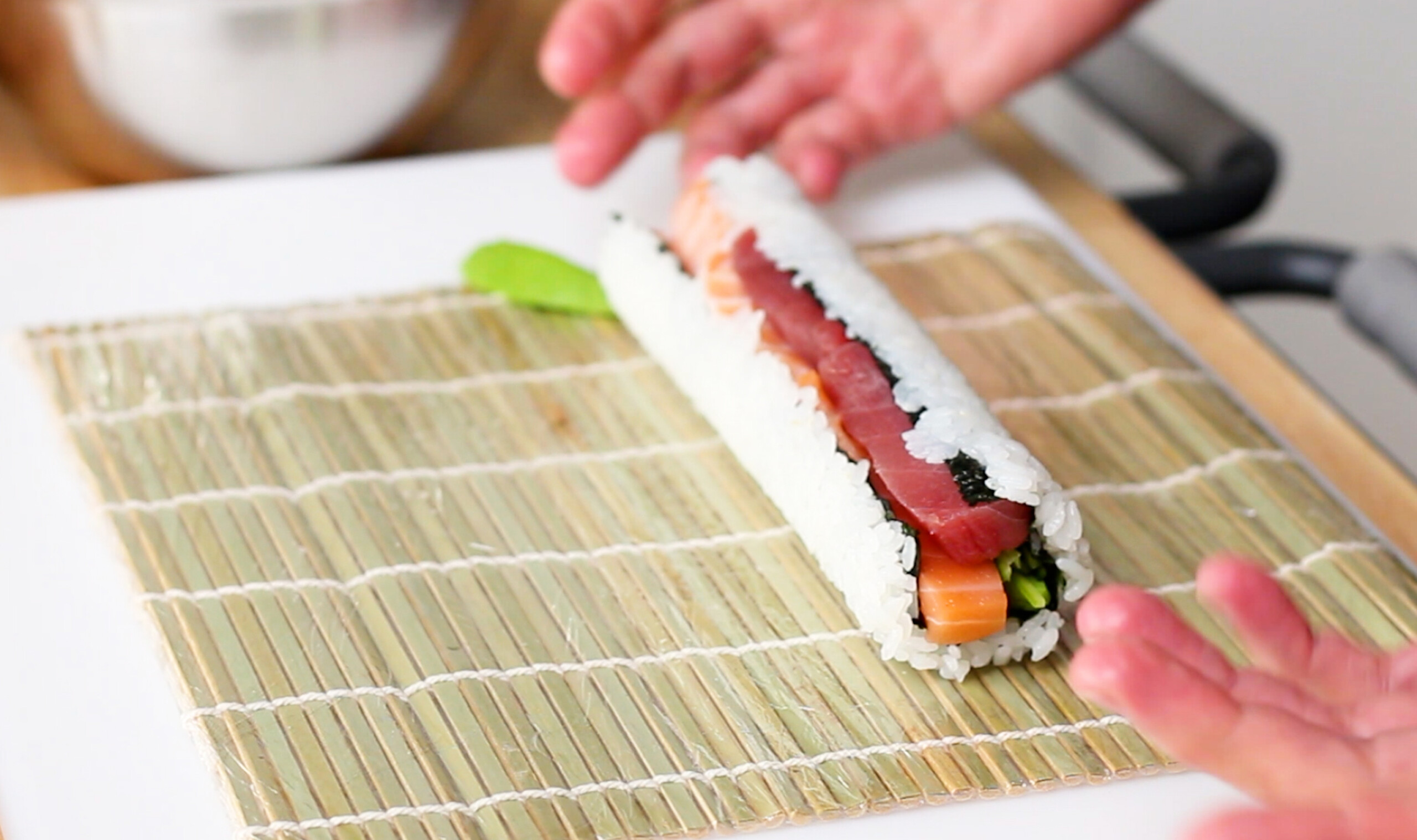
This one’s hard to resist. You’ve got all these ingredients, so naturally you want to use them, especially if you’re hungry. But more isn’t better here.
Overstuffed rolls don’t seal properly, they fall apart when cutting, and the balance gets thrown off. In most cases, simpler is better.
Match the Filling to the Roll
Different rolls can handle different amounts of filling:
- Hosomaki (thin rolls): 1–2 ingredients
- Uramaki (inside-out rolls): 2–3 ingredients
- Futomaki (larger rolls): more variety and volume
If you’re making a standard roll at home, keep it simple. It’ll taste better and be much easier to work with.
🎯4. Too Tight… or Too Loose
Rolling sushi is where a lot of people lose confidence. If the roll is too loose, it falls apart. If it’s too tight, the rice gets dense and chewy.
That's right Goldilocks, you’re aiming for something right in the middle.
Use the Mat the Right Way
The bamboo mat is there to help you shape and tighten the roll, not put it in a WWE chokehold.
Once the roll starts coming together, apply gentle, even pressure. A quick pro tip here is to pull the far end of the mat away from you while holding the roll in place. This helps tighten everything evenly without crushing it.
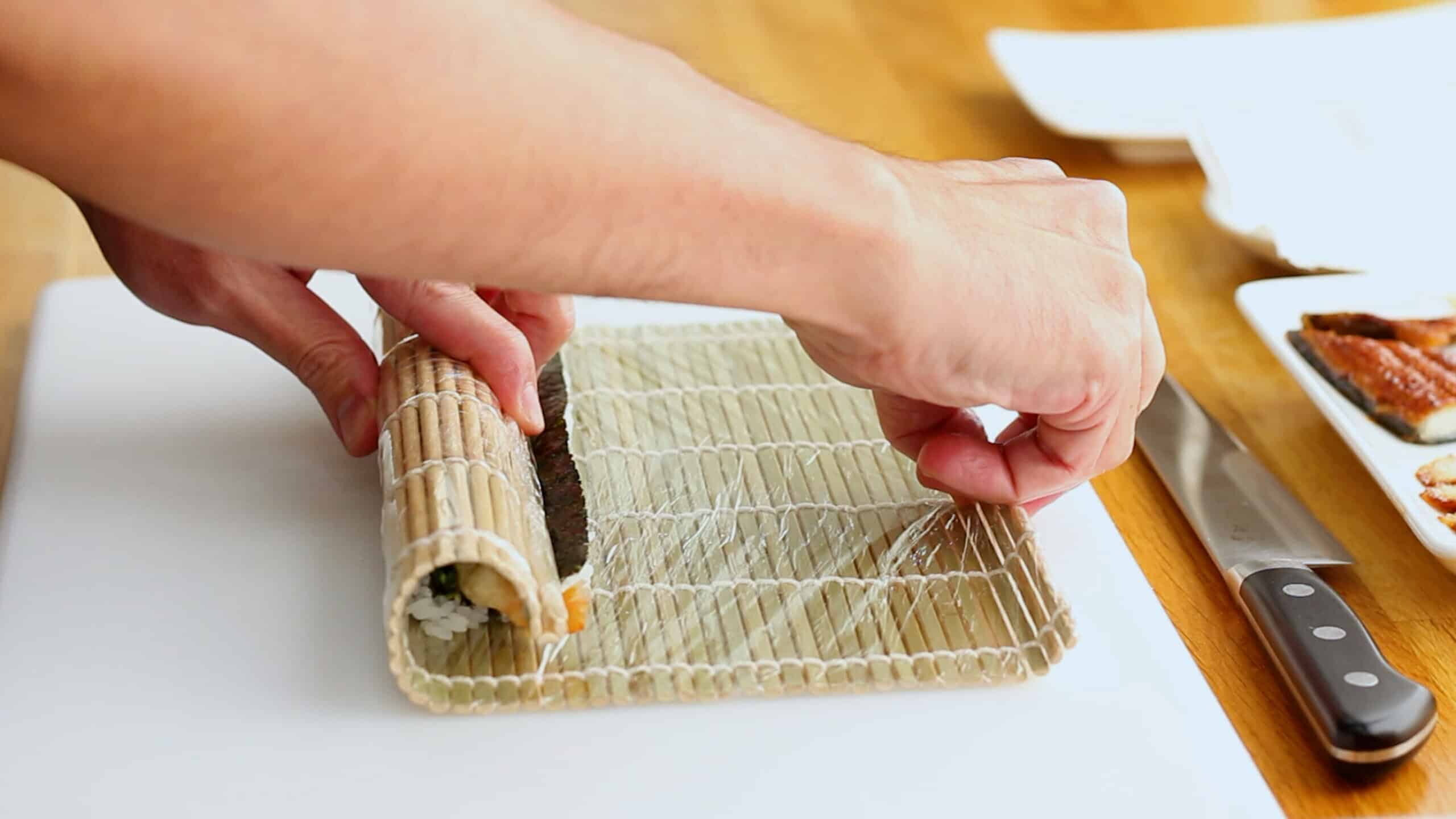
It’s a small adjustment, but it makes a big difference.
Nigiri Has the Same Problem
With nigiri, it’s all in your hands. A common mistake is packing the rice too tightly. Just remember, you're not making mochi here.
Instead, start with a loose ball of rice, shape it gradually, and keep it light. One small trick I like to use is creating a tiny air pocket in the rice. It helps keep the texture soft instead of dense.
🔪5. Using a Dull Knife
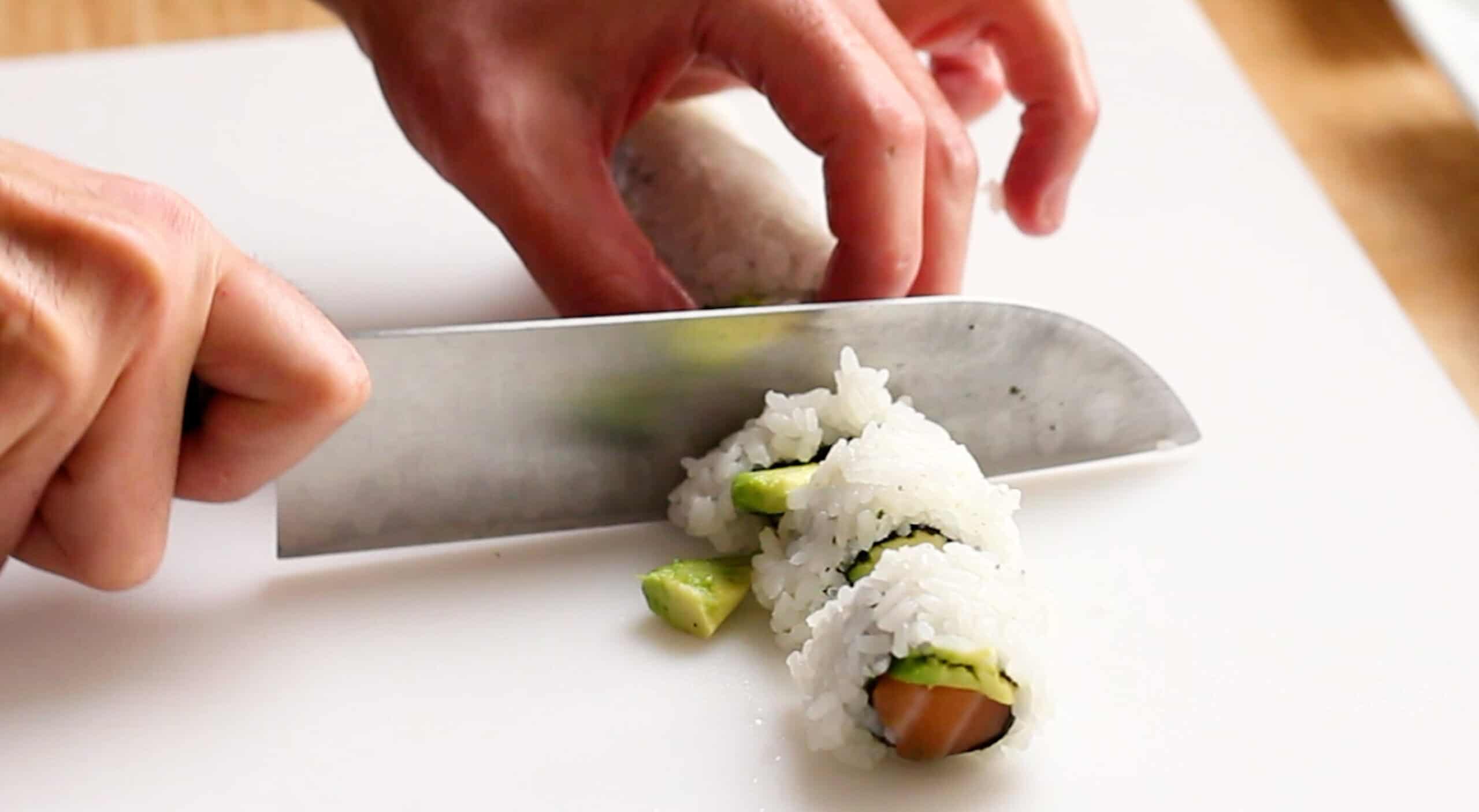
You fixed all the mistakes and now you finally have a beautiful looking roll in front of you. But as soon as you try to cut it, it becomes a disaster. The rice gets crushed, the nori tears, and all the fillings spill out like it was never meant to be served in the first place.
Yup, you can do everything right and still ruin the final result with a bad cut. And most of the time, it’s a dull knife that’s to blame.
But don’t worry, this is an easy fix.
All you need is a sharp knife and a few simple pro techniques.
You Only Need One Good Knife
Don't think that you need some super expensive katana or a full blown knife set to get started. One sharp, reliable knife will go a long way.
👉If you’re not sure what to use, I break it down in my Best Knives for Sushi Guide here:
Here is a high quality Japanese knife that I personally use and recommend:
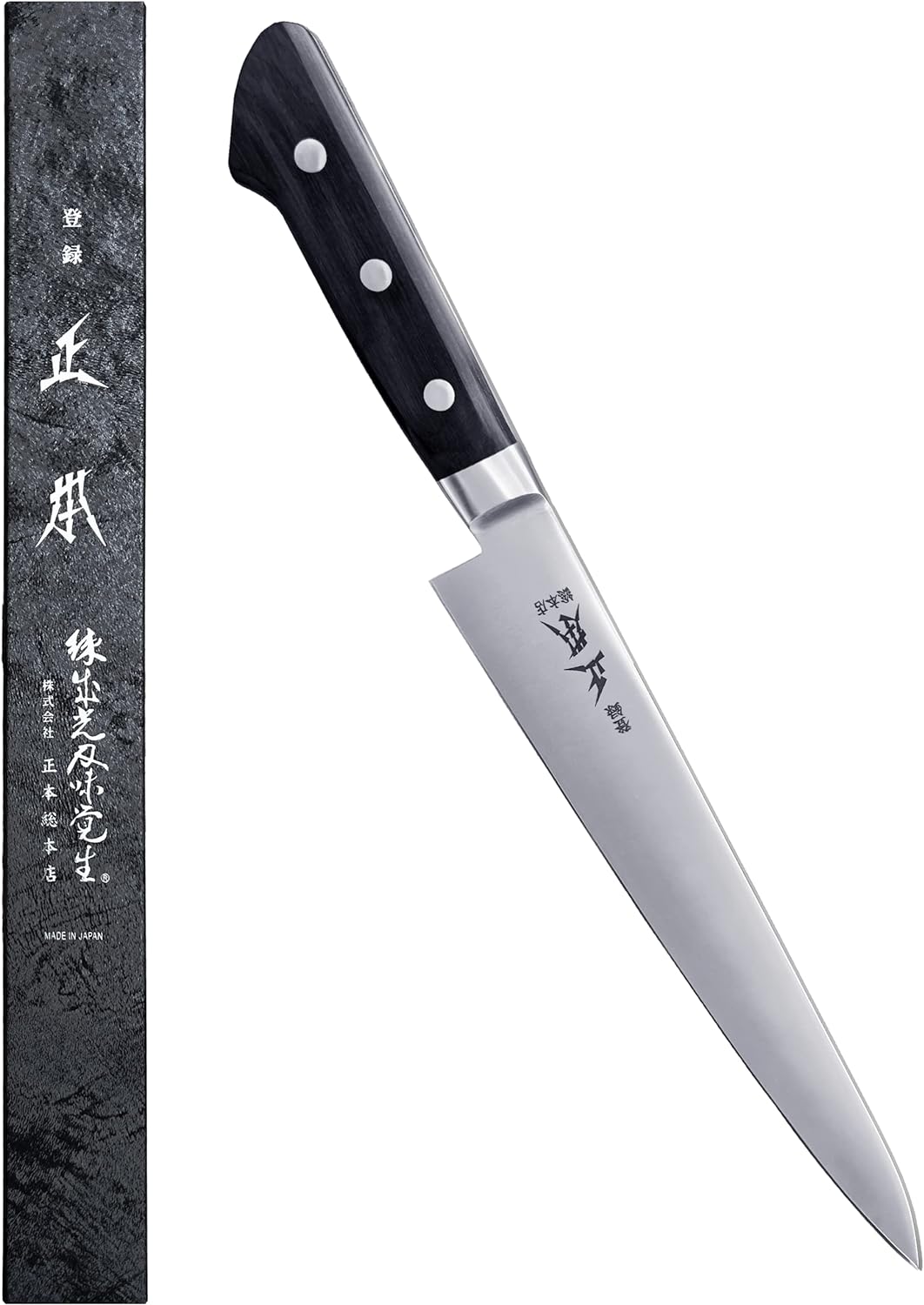
A Few Simple Cutting Tips
- Wet the blade before cutting
- Wipe it between cuts if needed
- Use a smooth slicing motion rather than pressing down
- Cut the roll in halves → then quarters → then eighths
This method helps keep your pieces even and much cleaner.
🐟BONUS: Don’t Ignore Fish Quality
Rice causes most beginner mistakes, but fish still matters too.
If you’re using seafood, the most important thing is to buy from a source you trust and focus on freshness and quality. Good technique can’t fix bad fish.
A lot of beginners assume that if it looks fine, it’s fine. But with sushi, you’re dealing with something that’s often eaten raw, so quality and handling matter more than almost anything else.
You don’t need to overthink it, but you also don’t want to cut corners here. When in doubt, ask questions at your fish market or go with reputable suppliers that specifically handle sushi-grade seafood.
👉If you want a deeper breakdown of what “sushi grade” actually means (and what people often get wrong about it) I break it down here:
✅The 5 Fixes That Make the Biggest Difference
If you remember nothing else, focus on these:
- Use the right rice
- Don’t over-wet your hands
- Don’t overstuff your rolls
- Use the right pressure
- Use a sharp knife
Honestly, just dialing in these five things will take your sushi from frustrating to consistently solid pretty quickly.
💭Final Thoughts
The fastest way to improve your sushi isn’t by adding more ingredients or trying more complicated rolls. It’s by getting the basics right.
Better rice.
Lighter hands.
Balanced fillings.
Clean cuts.
If your sushi hasn’t been turning out the way you want, start by focusing on just one of these at a time.
And if I had to pick the most important one?
Start with the rice.
❓Common Questions (FAQ)
This usually comes down to too much filling, not enough pressure when rolling, or rice that wasn’t prepared properly. Small adjustments in those areas make a big difference.
Japanese short-grain rice is the best choice. It has the right balance of stickiness and texture to hold together without turning mushy.
This usually happens from using too much water during cooking, or not letting the rice rest properly after cooking.
You don’t need anything fancy, but you do need a sharp knife. A dull knife will crush the roll instead of slicing it cleanly.
Most beginners get caught up in the ingredients, especially the fish, and overlook the fundamentals. Focus on getting the rice right first, then your balance, and then your cutting technique.


Daniel says
Hi Jun,
I think I may be putting too much rice on the nori and compressing the rolls too tightly. They taste good, but they do not have that clean, professional appearance yet.
Is there a visual cue or simple trick for knowing when I am using the right amount of rice? I have tried using the “apple-sized” amount you mentioned in your book or one of your videos, but I may still be overdoing it.
One quick idea for a future edition of the book: adding QR codes in the recipe sections that take readers directly to the related videos or blog posts. I think that would be very helpful for visual learners.
P.S. I love your book! I hope you create another one focused on Japanese cuisine. I would definitely buy it.
Jun says
Thanks so much Daniel! I'm really glad you're enjoying the book, and I appreciate the suggestion about adding QR codes. That's a great idea and definitely something I'll keep in mind for a future edition.
As for the rice, this is one of those things where practice really does make perfect. If you think you're using too much rice, you probably are. I'd try using just a little less, but the biggest thing is not to compress it too much while you're spreading it onto the nori. Keep the rice as light and fluffy as possible while spreading it evenly to the edges. If I had to guess, the layer of rice is probably no more than about ½ inch thick.
Also remember that whatever compression happens while you're spreading the rice gets compressed even more once the roll is rolled and shaped. When you use the makisu, think of it as shaping the roll rather than squeezing it. Use gentle but firm pressure, just enough to bring everything together without crushing the rice. Hope that helps!
And thanks again for the kind words about the book. A Japanese cooking book is definitely something I'd love to write someday!