
Sushi starts with ingredients, but it’s sliced and shaped with tools. The right knife makes clean, precise cuts that help your sushi look and taste better. Whether you’re slicing sashimi, preparing rolls, or making nigiri, using the right knife can make a huge difference. In this guide, I’ll break down the main types of knives used for sushi, how to choose the right one, and what to consider before buying.

🥢Who This Guide Is For
This post is for anyone who wants to improve their sushi at home or in professional settings:
- Beginners looking for easy-to-use knives
- Enthusiasts who want sharper, cleaner cuts
- Home cooks ready to invest in professional-quality tools
- Professional sushi chefs wanting to expand their knife collection
No matter your skill level, understanding the right knife can take your sushi to the next level.
🔪What Makes a Good Sushi Knife
Throughout my years in the sushi industry, one of the most common questions I get is: “What type of knife do you use?” or more specifically, “Which knives are best for making sushi?” It’s a valid question, as I cannot express enough the importance of a good, well-made, sharp knife.

But when you start searching online, the sheer number of knives claiming to be the sharpest or best can be overwhelming. Prices can range from $20 to $2,000 (or more), which only adds to the confusion. No one wants to spend a fortune on a knife that ends up forgotten in a drawer. So how do you choose the right one? Let’s break it down.
A good sushi knife should:
- Cut cleanly without tearing the fish or crushing the rice
- Be balanced and comfortable to handle
- Stay sharp with proper care
- Match your skill level and intended use
To help with that purpose, I want to provide some color around the most popular types of sushi knives and the best use for each style. This can be an important purchase as you start your sushi journey, so ask yourself a few questions:
- How serious am I about making sushi? (Is this for fun or are you trying to make it a profession?)
- How often will I be making sushi?
- Do I want to use this knife for other types of cuisines?
- How much do I want to spend?
There are many factors to consider when choosing a knife, including sharpness, size, shape, weight, feel, steel type, edge retention, and ease of maintenance. While all good knives share some basic components, it ultimately comes down to personal preference and how you plan to use the knife day to day. With that in mind, I will go over the most popular styles of knives used for sushi and explain how each one may best fit your needs.
Yanagiba (The Traditional Sushi Knife)
- Best for: Sashimi, nigiri, and rolls
- Skill level: Advanced
- Notes: Long, thin, single-bevel blade slices fish cleanly with minimal tearing. The classic knife for traditional sushi preparation.

In Japanese, “yanagiba” translates to “willow leaf blade” and refers to the long and narrow leaves from a willow tree. These knives are the standard and most used in the sushi industry. The long blade allows for a smooth, clean cut when slicing boneless fish and is also great for cutting vegetables. And like many traditional Japanese knives, it is a single-bevel blade (sharpened on one side only), which can achieve a finer and sharper edge but can take some practice to get used to. The single bevel also means that it is not universal for right- and left-handed users.
The best uses for a yanagiba are cutting sashimi, fish for nigiri, de-skinning fish, and cutting makizushi or rolls. However, it’s not the best for all-around cooking, the blade is too long for general cutting jobs and since most traditional yanagibas are made of carbon steel it can be brittle, which means stay away from anything hard or that has thick bones.
PRO TIP - Carbon steel knives are usually preferred among professionals mainly because of how extremely sharp the edge can get and retain it for a longer period. However, it is not the easiest to maintain and is vulnerable to rust and stains if not taken care of properly.
Sujihiki (The Sushi Knife of the West)
- Best for: Sashimi, nigiri, and rolls
- Skill level: Beginner–Intermediate
- Notes: Double-bevel, long slicing knife. Easier for home cooks to handle than a Yanagiba but still produces clean cuts.

The “sujihiki” is the Western-style version of the yanagiba. Instead of a single-bevel blade like the yanagiba, it is double-beveled, which means it’s sharpened down from both sides of the blade (a characteristic of Western knives). The size and shape are very similar to the yanagiba as well as the uses. It is perfect for slicing sashimi or any boneless fish, as well as carving boneless meats. The single-bevel yanagiba still has the upper hand when it comes to sharpness, but the sujihiki might be more comfortable and easier to use for those used to Western knives. It's still extremely sharp and retains its edge really well. Sujihikis can come in all different types of steel including high carbon and stainless.
NOTE - A stainless-steel blade won’t require as much care versus carbon steel, but it won’t be as sharp either.
Gyuto (The All-Around Chef Knife)
- Best for: Everyday use and sushi prep
- Skill level: Beginner/All
- Notes: Essentially a Japanese chef’s knife. Great for fish, vegetables, and meat. Practical if you do not want multiple specialty knives.

If you’re looking for one all-around knife that does it all, this is it. The gyuto, which directly translates to “cow blade,” is the Japanese version of the classic Western-style chef’s knife. It was originally used to cut and break down beef and is one of the most versatile knives out there. It’s great for slicing, chopping, mincing, or dicing anything from fish, to meats, veggies, or fruits. But since the blade is thinner and lighter compared to a Western chef’s knife, you want to stay away from bones or anything hard.
The gyuto is a versatile knife that works well for all types of cooking. I use mine for about 90 percent of my home meals, while I reserve my yanagiba and sujihiki mostly for sushi and professional work. I often use the gyuto to slice fish for sushi too (when I'm feeling lazy😝). Like the sujihiki, it comes in a variety of steels, giving you options depending on your preference and budget.
Deba (The Muscle Knife)
- Best for: Breaking down whole fish
- Skill level: Advanced
- Notes: Heavy, thick blade ideal for filleting and cutting through small bones. Not necessary for most home cooks.

The deba is a thick and sturdy knife used for breaking down a whole fish. Its heavy and durable blade can behead the fish and cut through the bones, as well as fillet it with precision thanks to its fine tip. You can also use it to break down poultry or other meats with small bones. But it is not a cleaver, so stay away from any meats that have larger bones.
Traditional deba knives are single beveled and hold a razor-sharp edge. But that means it can feel a bit awkward if you’re not used to it, just like the yanagiba. It’s a great knife and crucial to have if you’re in the sushi industry, but I wouldn’t recommend it for every day, at-home use (unless you’re planning on breaking down whole fish all the time). If you are or planning on becoming a professional sushi chef, then I highly recommend having one, but only after you have a quality yanagiba or sujihiki (either one of those would come first).
Summary
Again, the most important thing is to figure out how you’re going to be using the knife. If you’re serious about making sushi, consider a yanagiba or sujihiki and then possibly a deba afterward. If you want a versatile knife that you can use for other types of cooking, go for the gyuto.
As for the material and type of steel, stay away from high carbon if you know you’re not going to meticulously maintain it. Something that is stainless (or a hybrid of stainless and carbon) will be much easier to take care of and probably better for general home use. On the other hand, if you know how to take care of knives (or learn how to) and don’t mind the extra care, go for carbon steel. It is more expensive but worth the investment.
Please note that it’s not a requirement to have any of these knives. If you want to use what you have, go for it. But if you find yourself struggling to cut anything and your sushi looks like it’s been mauled by a bear, then it might be worth the investment. Remember, a good-quality knife will last you a lifetime if you take care of it.
🛒Choosing the Right Knife for You
When picking a knife, consider:
- Blade length: 8–10 inches works well for sushi
- Bevel: Single vs double bevel - single for traditional, double for beginner-friendly
- Steel type: Carbon steel holds a sharp edge but requires care; stainless steel is easier to maintain
- Maintenance: How often you’ll need to sharpen it
- Budget: High-end knives are an investment, but good beginner options exist under $100
👍My Recommendations
Feeling ready to buy your first sushi knife? If so, thanks for sticking with the post! And if you skipped straight to this section, well… thanks for being here anyway. When investing in a knife, keep a few things in mind: what you’ll be using it for, how serious you are about making sushi (and how often you’ll be making it), and your budget.
Yanagiba/Sujihiki
If you're serious about making/learning sushi, I recommend either a Sujihiki or Yanagiba style knife. These are long, slender style knives that are specifically made for slicing fish and meat. An absolute necessity for sushi but not the most efficient for everyday cooking.
Beginner/Entry-Level


- The Kai Wasabi Black is a budget-friendly beginner knife. Good way to get used to a Yanagiba style blade.
- Tojiro is a solid Japanese knife company that makes great knives for a more affordable price. Significantly better quality than the Kai and worth the extra investment.
Advanced/Professional-Level


- Masamoto is my favorite Japanese knife company and I'm always impressed with the quality and craftmanship of their knives. The VG series is the sujihiki that I personally use right now. It's very easy to maintain while keeping a consistent sharp edge.
- Yoshihiro is a very popular and reputable brand that makes quality knives. I know many experienced sushi chefs that swear by them. It's a high carbon steel blade which can be difficult to maintain and sharpen. But when done right, it'll keep an extremely sharp edge.
- The Masamoto Honkasumi yanagiba is one of their best knives. Honkasumi requires extra steps in production and a higher level of craftsmanship. It’s completely hand sharpened, polished, and finished by especially skilled and experienced craftsmen, which results in amazing sharpness and more refined level of finish.
Gyuto
Gyuto style knives are the Japanese version of an all-around chef knife. These aren’t specifically made for slicing fish but can still work great for making sushi. They are a lot more versatile and can be used for all different types of cooking so the investment might make more sense for a typical home chef.
Beginner/Entry-Level


- The Kai Seki Magoroku Akane is an entry-level gyuto knife that is well-rounded and affordable.
- Tojiro DP is one of the best budget-friendly Japanese gyuto on the market. Very versatile and a great gateway knife into the world of high end Japanese knives.
Advanced/Professional-Level

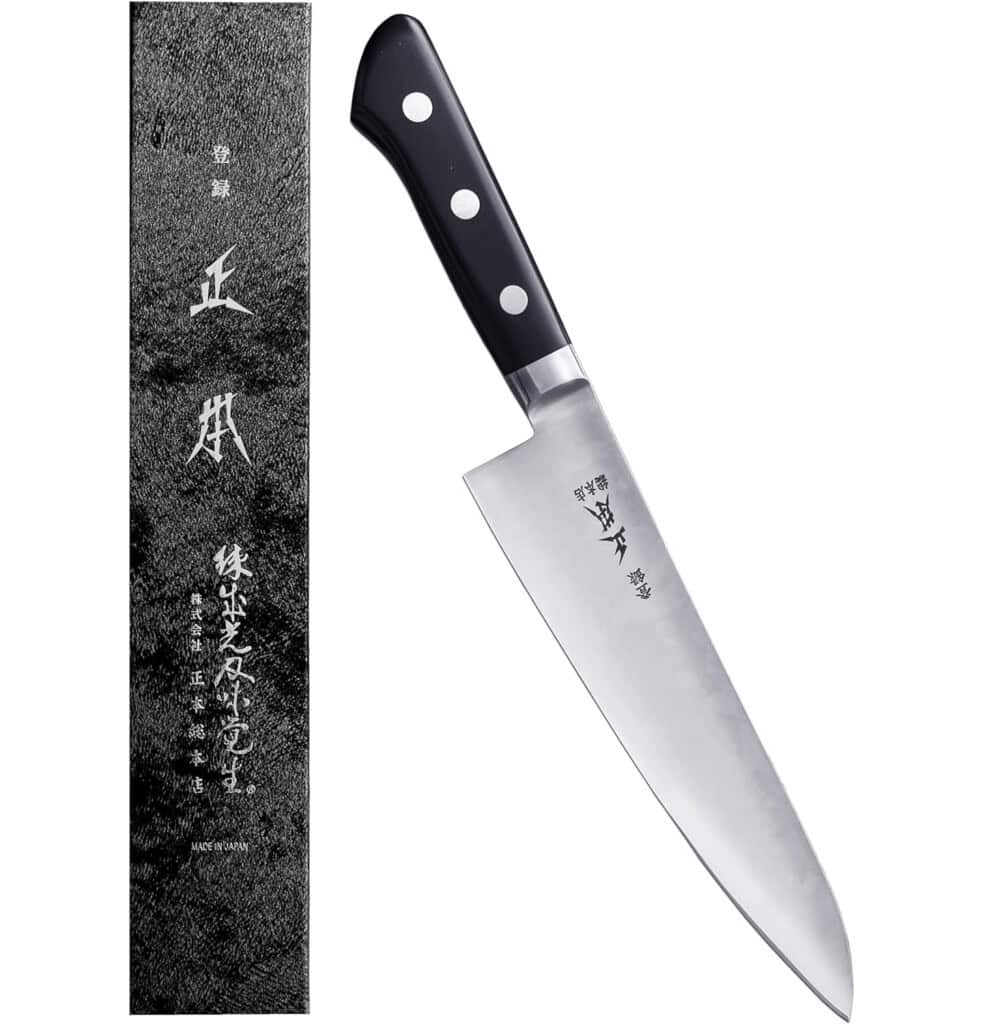

- Another one of my favorite Japanese knife brands is Misono, and I use the 440 gyuto for majority of my home cooking. Very easy to maintain and take care of while holding a very sharp edge.
- The Masamoto VG gyuto is the same series as the sujihiki that I use and shared above. It's a hybrid high-carbon/stainless steel blade with a very durable full-tang construction. It's easy to maintain and stays razor sharp.
- One of the best Gyuto knives from Misono. The UX10 series have exceptionally rust-resistant blades while offering extreme sharpness like a carbon steel knife. Upgrade from the Molybdenum and 440 series.
Deba
Traditional Japanese style with a single bevel used to break down whole fish. Not the best everyday knife but a must-have if you plan to make sushi professionally.


Beginner/Entry-Level
- The Kai Seki Magoroku Kinju ST is a basic deba that is affordable and a good way to get used to the deba style knife.
Advanced/Professional-Level
- The Masamoto KS Series Hon Kasumi deba is a professional-level knife that requires extra steps and higher lever of craftsmanship when producing. It is extremely sharp and has amazing edge retention. Suited for professionals that know how to take care of Japanese knives.
Now of course there are plenty of other brands and knives that I can recommend but I hope this gives you a good starting point at the least. If you are interested in a knife, just click on the picture and it should take you to the listing on Amazon (it is an affiliate link which means I may receive a small commission at no extra cost to you). If you do purchase through my link, thank you! I really appreciate the support and it's what helps me keep writing and producing content for all my fellow sushi lovers out there!
Not a fan of Amazon? No problem, check out www.JapaneseChefsKnife.com. Now I'm not an affiliate nor am I sponsored by them. They're just a great company that carry tons of high quality Japanese knives and at good prices. I've bought many knives from them and never had a bad experience. Always professional and good customer service. Check them out and let them know Jun (The Sushi Man) sent you, hopefully with enough mentions they'll offer me a discount code to share with you guys. 😉
🍣Final Thoughts
The right knife makes sushi prep cleaner, easier, and more enjoyable. Start simple with a gyuto or sujihiki, focus on sharpness, and build your skills over time. Once you get comfortable, experimenting with traditional yanagiba or deba knives can take your sushi to the next level.
Remember, practice, patience, and a good knife go a long way toward better-looking, better-tasting sushi.
🤔Common Questions
Not necessarily. A gyuto will cover most home sushi needs. Sujihiki I would say is the next level up while a yanagiba is more traditional but takes practice.
Single-bevel knives (like yanagiba) are sharpened from one side only. They're traditional Japanese style and can stay extremely sharp. Double-bevel knives (like sujihiki) are sharpened from both sides and easier to handle for beginners (assuming you're used to Western-style knives).
Yes! A sharp gyuto, santoku, or Western chef’s knife works fine, especially for rolls and general prep.
Use a whetstone for carbon or stainless steel. Keep the proper angle for single- or double-bevel knives. Avoid using pull-through sharpeners on single-bevel blades. Here is my Video Tutorial on how to properly sharpen Japanese knives.


Leave a Reply