

So you want to start making sushi at home but don’t really know where to begin. A good place to start? Your pantry.
Along with your everyday staples (salt, sugar, etc.), there are a handful of traditional Japanese ingredients that make sushi… well, sushi. Some are absolutely essential, while others are nice to have depending on what you plan on making.
I’ll walk you through the core ingredients and give you a little more context on each so you know what actually matters.
And if you're looking for a full list of my recommended products, check out www.UltimateSushiKit.com.
Also, if you want a quick visual walkthrough of these pantry essentials and how I use them, I go through everything in this video:
Alright, now let's start off with the most important and obvious:
Rice

This is the foundation of everything. If the rice isn’t right, the sushi won’t be either.
Did you know that there's more than 120,000 varieties of rice in the world? Crazy, huh? Luckily for sushi, it's very simple. You’ll want to use Japanese short-grain rice. Medium-grain can work too, but short-grain tends to have the ideal balance of stickiness and texture. That stickiness is what allows the rice to hold its shape when forming rolls or nigiri.
There are plenty of solid options grown in the U.S., so you don’t need to hunt down anything too specific. Just make sure to avoid long-grain rice like jasmine or basmati, which falls apart when making sushi.
Rice Vinegar

Rice vinegar is what gives sushi rice its signature sweet and tangy flavor.
You can go two routes here:
- Seasoned rice vinegar (pre-mixed with sugar and salt) for convenience
- Unseasoned rice vinegar if you want to make your own blend
Both work perfectly fine, it really just depends on how hands-on you want to be. I personally recommend making your own since you have more control over the flavor, and it’s honestly very easy to do. If you want a step-by-step breakdown, check out my guide: How to Make Sushi Rice (Step-by-Step Guide)
You’ll also use this for tezu (vinegared water for your hands while making sushi), which helps keep the rice from sticking and flavor more consistent.
Some well-known brands to look for are Marukan, Kikkoman, and Mizkan. All solid options.
Nori (Dried Seaweed)

Nori is one of those ingredients that’s way more confusing to pick out than it should be. There are a ton of options and no real standard grading system, so yeah… a little trial and error is part of the process.
Most brands use either a letter or color grading system. Letters are easy (“A” is best), while colors usually go something like: Gold, Silver (or blue), Green (or yellow), then Red. It can vary by brand, but packaging color and price are usually solid clues. Nothing scientific, but it works.
If you can see the nori, look for a dark color (closer to black), a thicker sheet, and a slight sheen. That’s what you want. Lower-grade nori tends to be lighter, thinner, and tears easily. Which is exactly what you don’t want when you’re mid-roll and everything starts falling apart. Stick with silver/blue grade or higher and save yourself the headache.
Nori usually comes in full or half sheets. Half sheets are used for most rolls, so they’re the easy option, unless you're making futomaki style rolls. In that case full sheets work best and you can easily cut them in half yourself.
Shoyu (Soy Sauce)

Soy sauce and sushi go together like butter on bread, it just works. That said, it’s also one of the easiest things to overdo. A small amount goes a long way, and too much can completely overpower the flavors you’re working with, especially the fish.
It's also used in a lot of sushi prep behind the scenes. It’s a key ingredient in things like unagi sauce (that sweet, savory glaze on eel) and zuke (where fish is lightly marinated to enhance flavor and texture). You’ll see it in dishes like poke as well, which is essentially another style of zuke.
If you want to take things up a notch, try making nikiri shoyu. You’ve probably seen sushi chefs brush it on top of nigiri at the sushi bar, especially at higher-end spots. It’s a blend of soy sauce, mirin, dashi, and sake, giving it a slightly sweeter flavor with more depth and a thicker consistency.
Instead of dipping, you brush a small amount directly onto the sushi, which gives you way more control. And like everything else here, a little goes a long way.
If you want to try it yourself, check out my guide on how to make nikiri shoyu.
Wasabi

Most people know wasabi as the spicy green paste that comes with sushi, and eating too much of it will clear your sinuses better than most cold medicines. But what is wasabi exactly?
Wasabi is actually a root (a rhizome, to be exact) that’s notoriously difficult to grow. It needs very specific conditions and takes years to mature, which makes it rare and expensive. Because of that, most of the wasabi you’ll find at restaurants (even in Japan) isn’t real wasabi.
So what are we actually eating? Usually a mix of horseradish, mustard, and green food coloring.
If you want to go deeper, I have a full post breaking down the differences between real and imitation wasabi: The Truth About Wasabi
For everyday use though, the imitation version is totally fine, and much easier to find. You’re probably not going to come across fresh wasabi root at your local grocery store, so any prepackaged tube will do the job.
If you want to try something a little different, look for kizami wasabi. It’s made from chopped stems of real "hon" wasabi that are lightly marinated (usually in soy sauce). It has a bit of texture, a cleaner heat, and pairs beautifully with sushi. You can usually find it in small refrigerated or frozen packs. Kinjirushi is a solid brand to look out for.
Gari (Pickled Ginger)

Alongside the wasabi, you’ll usually see a small pile of pickled ginger, or gari. It’s meant to be eaten between bites of sushi, not on top of it (but you do you, no judgment).
Its main job is to cleanse your palate so you can actually taste each piece without flavors overlapping. The slight sweetness and gentle spice help cut through the richness of the fish and reset your taste buds. Think of it as a quick refresh button for your mouth.
Ginger also has natural antibacterial properties and is said to help with digestion, so it’s doing a little extra work behind the scenes too.
You can find pickled ginger pretty easily at most grocery stores or Asian markets. And if you’re already making sushi vinegar at home, you can even use it to pickle your own batch of gari.
Mirin (Japanese Sweet Rice Wine)

Mirin is a sweetend rice wine that adds depth and balance to sauces, glazes, and all those classic Japanese flavors like teriyaki or eel sauce. Yes, it technically has alcohol, but before you start hiding it from your teenage kid, most store-bought versions in the U.S. are what’s called aji-mirin, and they’re barely alcoholic (around 1% ABV). Totally fine for home cooking.
The “real deal,” or hon-mirin, is closer to wine in alcohol content (about 14%), and if you can find it, great! It’s a step up, but honestly, for most home cooks, aji-mirin works perfectly. Kikkoman is the most common brand and a solid choice.
Dashi (Japanese Stock)

Dashi is basically the mother of umami in Japanese cooking. Unlike a lot of Western stocks, which simmer meat for hours, dashi is ridiculously simple (usually just one or two ingredients) and it packs a ton of flavor. You’ll see it in soups, sauces, and other dishes like dashimaki tamago or chawanmushi.
Some of the most common ingredients for making dashi include:
- Kombu (dried kelp) – Vegan-friendly and super easy to use. Just soak it in water and you’re basically done. You can find it in the dried seaweed section of most Asian markets.
- Katsuobushi (dried bonito flakes) – One of my personal favorites. Elegant, umami-packed, and versatile. Toss it in water and strain, or sprinkle it on dishes like hiyayakko (cold tofu) or ohitashi (spinach salad) for extra flavor.
- Dried shiitake mushrooms – Another vegan-friendly option. Good on its own, but pairs beautifully with kombu or katsuobushi for an extra umami punch.
- Niboshi/Iriko (dried sardines or anchovies) – Bold and full of umami. Can also be fried and eaten as a snack, perfect with beer if you’re feeling fancy.
If you want the easiest route, dashi powder is your friend. It comes in all these flavors (and more), and it works surprisingly well in soups or whenever you need a quick umami boost. Perfect for when you want great flavor without the fuss.
Tempurako (Tempura Flour)

Tempurako isn’t essential for sushi, but it’s a great shortcut if you like making rolls with tempura. It’s a pre-mixed flour that you just combine with cold water and you have a light, crispy batter ready to go. It’s perfect for keeping things consistent and saving time. You can usually find it in the flour or panko section at most Asian grocery stores.
Goma (Sesame Seeds)

Toasted sesame seeds are a simple ingredient, but they add a lot of flavor and texture to sushi. You’ll often see them on the outside of rolls, but they can also be mixed into rice or used as a garnish.
If you want to take it up a notch, try grinding them. Grinding releases more of the aroma and lets you crush the seeds to your preferred size. I’ve had customers rave about ground sesame seeds and say they can’t go back. You can find both manual and battery-powered sesame seed grinders, but here is the one I use and recommend: Zojirushi Automatic Sesame Grinder.
Japanese Mayonnaise
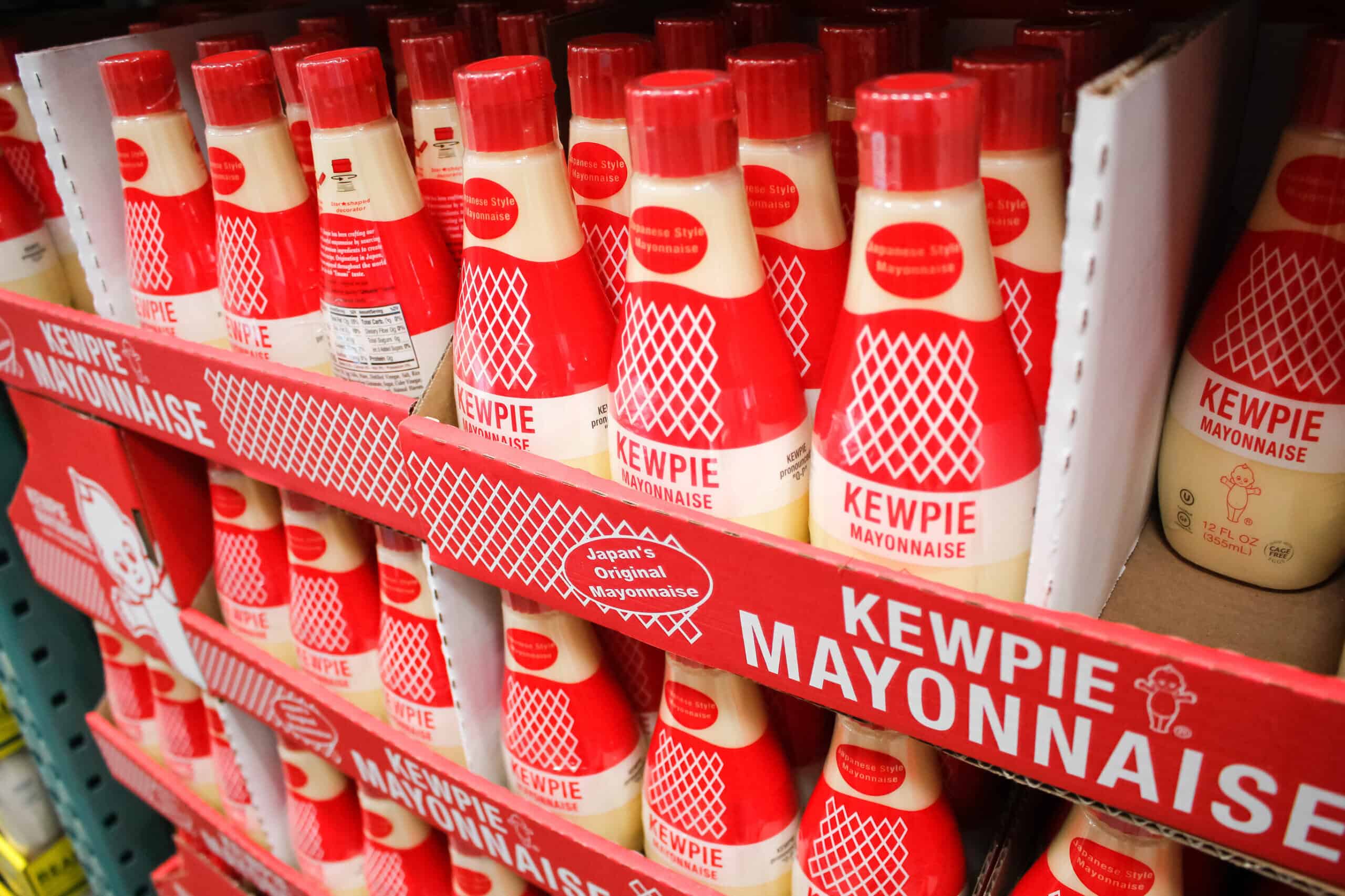
Japanese mayonnaise is a staple in many modern sushi rolls and Japanese dishes. It’s richer, slightly sweeter, and has a more pronounced umami flavor compared to regular mayonnaise, which makes it especially good for sauces and toppings.
Compared to standard mayo, it’s typically made with egg yolks instead of whole eggs and uses rice vinegar, giving it a smoother texture and a deeper, more balanced flavor.
You’ll often see it used in spicy mayo, drizzled over rolls, or mixed into seafood for dishes like spicy tuna or crab salad. It adds creaminess without overpowering the other ingredients.
If you’re making sushi at home, this is one of those ingredients that’s not always traditional—but it’s incredibly useful to have on hand, especially if you enjoy rolls with a bit more flavor and richness.
Final Thoughts
That’s really all you need to get started. Focus on the core ingredients first, rice, vinegar, and nori, and build from there based on what you enjoy making. Some items are absolutely necessary, while others you can get by without. It all depends on what you’re planning to make and your personal preferences.
You don’t need everything all at once and there is no need to overcomplicate it. Like anything else, the more you make sushi at home, the more comfortable and natural it becomes.
With these essential pantry ingredients, you’re ready to start your sushi-making journey. And if you want a handy reference, don’t forget to check out the ultimate sushi starting checklist at UltimateSushiKit.com.
Thanks for reading and see you on the next one! Matane!

Leave a Reply