
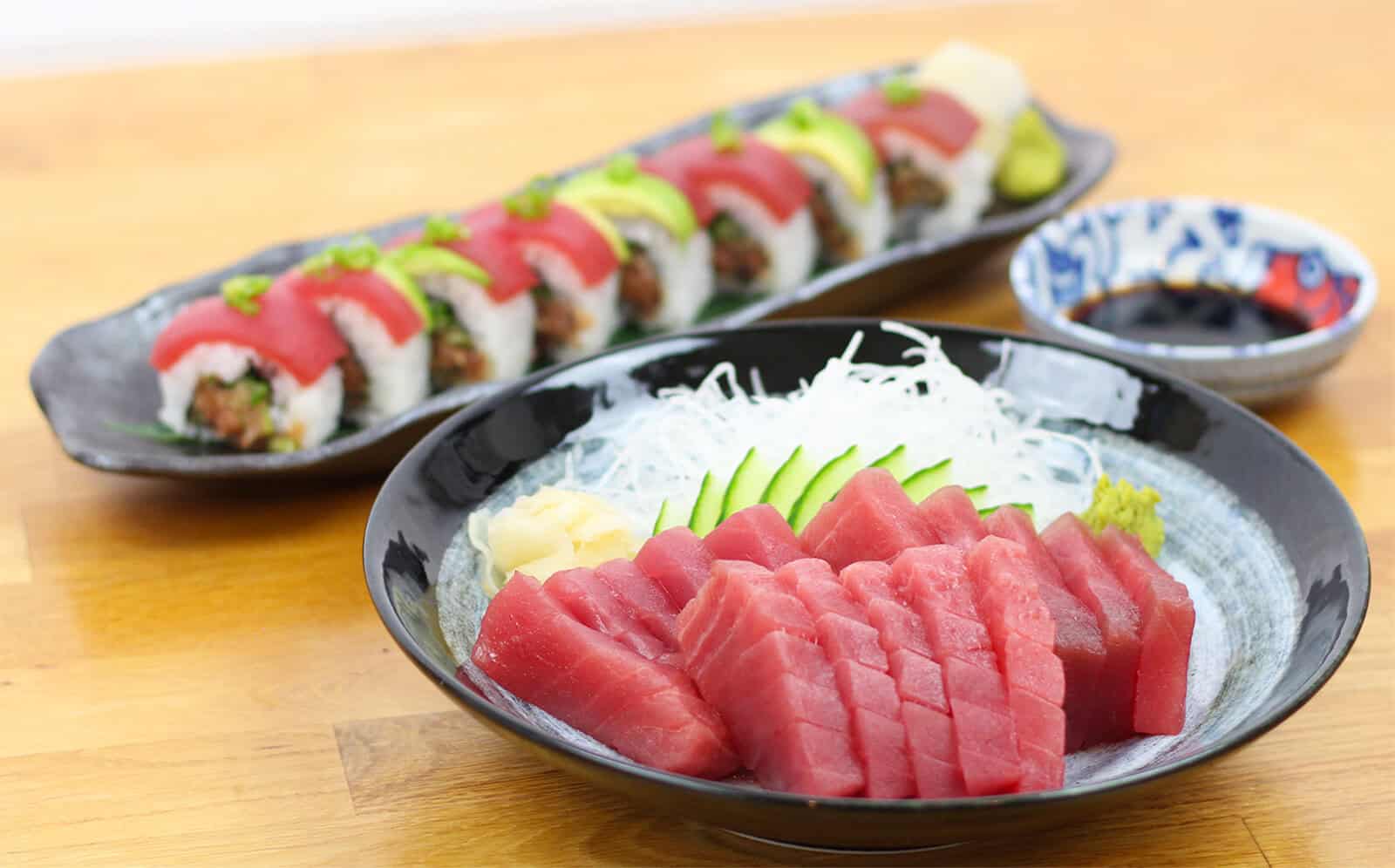
After sharing my Costco salmon video, one of the questions I received over and over again was: “What about Costco tuna?”
I’ve personally used Costco’s fresh ahi tuna for sushi and sashimi many times. But I approach it differently from the salmon because the quality can be much more hit or miss, at least at my local warehouse.
Sometimes I’ll find a beautiful piece that I’m completely comfortable using. Other times, I’ll compare every package and leave without buying anything.
And honestly, there’s nothing wrong with that. Trust me, going home without tuna is much better than talking yourself into buying a piece that seems a little sketchy.
In this guide, I’ll show you what I look for when choosing Costco tuna and what I check after bringing it home. I’ll also show you how I prepare and cut it depending on what I plan to make.
But more than anything, my goal is to help you understand what you’re looking at. That way, the next time you’re standing in front of the seafood case, you can make your choice with more confidence, and hopefully turn it into some amazing sushi at home.
Jump to:
- 🍣 Quick Answer: Can Costco Tuna Be Used for Sushi?
- 🎥 Prefer to Watch Instead?
- 🐟 Can You Eat Costco Tuna Raw?
- 🏷️ Is Costco Tuna Sushi Grade?
- ❄️ Does Costco Tuna Need to Be Frozen for Sushi?
- 💭 My Honest Opinion of Costco Tuna
- 🛒 How to Choose Costco Tuna for Sushi
- ✅Costco Tuna Buying Checklist
- 🧊 Keep It Cold on the Way Home
- 👀 What to Check After Opening the Package
- 🔪 How I Prepare Costco Tuna for Sushi and Sashimi
- 🧂 Should You Cure Costco Tuna?
- 🥶 Can You Freeze Costco Tuna?
- ⚖️ Costco Tuna vs. Costco Salmon for Sushi
- 🎯 Final Thoughts
- 🍣 Continue Your Sushi Journey
- ❓Common Questions (FAQ)
🍣 Quick Answer: Can Costco Tuna Be Used for Sushi?
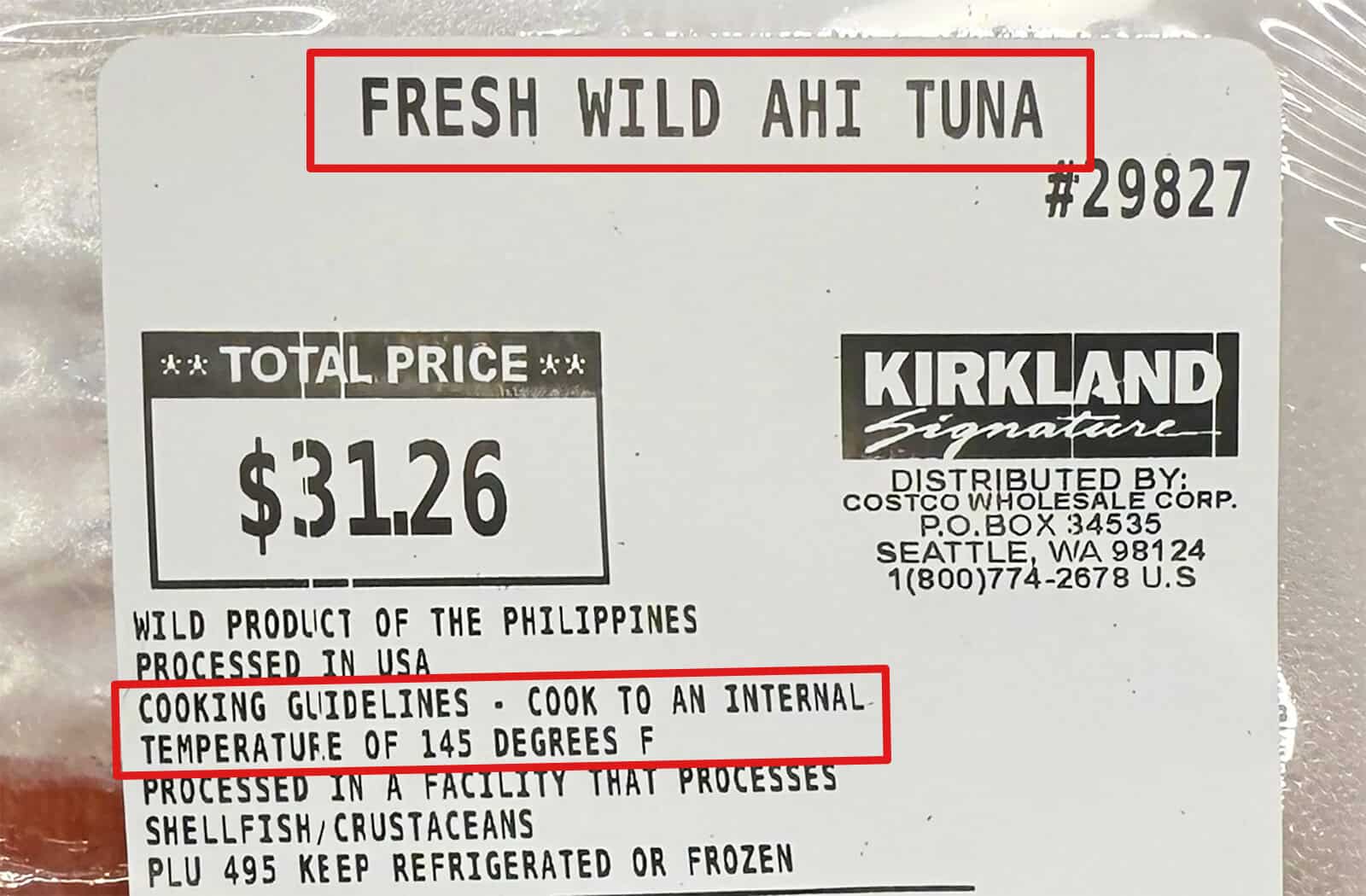
It can be, but this isn’t a simple yes-or-no answer. Costco does not label its fresh wild ahi tuna for raw consumption, and the package I purchased instructed customers to cook it to 145°F. That said, I have personally chosen to use it for sushi and sashimi when the individual piece met my standards. If you’re considering doing the same, it’s important to understand the risks and know how to choose and handle the tuna properly.
🎥 Prefer to Watch Instead?
If you’re more of a visual learner, this video shows the actual Costco ahi tuna I purchased and how I decided whether I was comfortable using it. Then I’ll show you how I turned that same piece into sushi and sashimi.
Think of the video as a visual companion to this article. The rest of the guide digs deeper into some of the questions that are harder to fully explain on camera.
🐟 Can You Eat Costco Tuna Raw?
I’ve used Costco’s fresh ahi tuna for sushi and sashimi many times, but I make that decision one package at a time.
Costco does not market this particular product as ready to eat raw. The label actually instructs customers to cook it to an internal temperature of 145°F, so using it for sushi or sashimi means going beyond those instructions.
When deciding whether I’m comfortable using a piece, I start with the pack date and its overall appearance at the store. Once I bring it home and open the package, I can take a closer look at the smell and texture. How well the tuna has been kept cold is also extremely important.
These checks can help identify quality problems, but no sensory inspection can guarantee that a piece of tuna is safe to eat raw. Even when everything looks good, there's always some level of risk when eating raw seafood.
The quality can also vary between packages and shipments. Just because I felt comfortable using a particular piece from my local Costco doesn’t mean every package at every warehouse will be the same.
That may not be the simple yes-or-no answer you were hoping for, but it’s the honest one.
🏷️ Is Costco Tuna Sushi Grade?
The Costco tuna I purchased wasn’t labeled “sushi grade” or “sashimi grade,” and Costco wasn’t selling it as a product intended to be eaten raw.
At first, that might sound like an automatic no. But this is where the term “sushi grade” can get a little confusing.
The truth is, sushi grade and sashimi grade are not official grades or certifications. In other words, there isn’t a government agency deciding which fish qualifies. The seller makes that call. Basically, it’s a marketing term that says, “We consider this fish suitable for eating raw.” But since each seller makes that decision, the standards may not always be the same.
Now, that doesn’t mean the label is completely meaningless. A reputable supplier may consider how fresh the fish is and how it was sourced and handled before using it. But the label itself is never a guarantee.
When it comes to Costco tuna, I’ve personally chosen to use certain pieces raw based on my own judgment. That’s my decision, not Costco telling customers that every package is suitable for sushi.
If you want to learn more about what the term actually means, read my complete guide: What Does Sushi Grade Actually Mean?
❄️ Does Costco Tuna Need to Be Frozen for Sushi?
Not necessarily. The answer depends on the species of tuna.
According to FDA guidance, certain tuna species don't have to be frozen before they're served raw. Yellowfin, bigeye, and bluefin tuna are among those species.
The Costco package I purchased was simply labeled "ahi tuna." That's a good sign because the two species most commonly referred to as ahi are yellowfin and bigeye tuna. From my own experience working with both, Costco's ahi has looked very similar. That said, the package didn't actually identify the exact species, so I couldn't say for certain based on the label alone.
You can always ask the seafood department about the species or whether it was previously frozen, but the amount of information available may vary. I also recommend checking the package yourself since labeling can change and may differ between locations. If it doesn't tell you something, don't assume the answer. Clear labeling or supplier information is always better than guessing.
It's also important to understand what that FDA guidance actually means. The freezing recommendations only address parasites. They don't mean every piece of tuna is automatically safe to eat raw, and they don't override Costco's cooking instructions.
Freezing has its limitations, too. It won't reverse spoilage, improve poor handling, or eliminate every risk associated with eating raw fish. Tuna also needs to be kept properly chilled because, if it's held too warm for too long, histamine can develop. Once that happens, cooking or freezing won't remove it.
For those reasons, I don't look at freezing as a way to rescue questionable tuna. The condition and handling need to be right from the beginning.
💭 My Honest Opinion of Costco Tuna
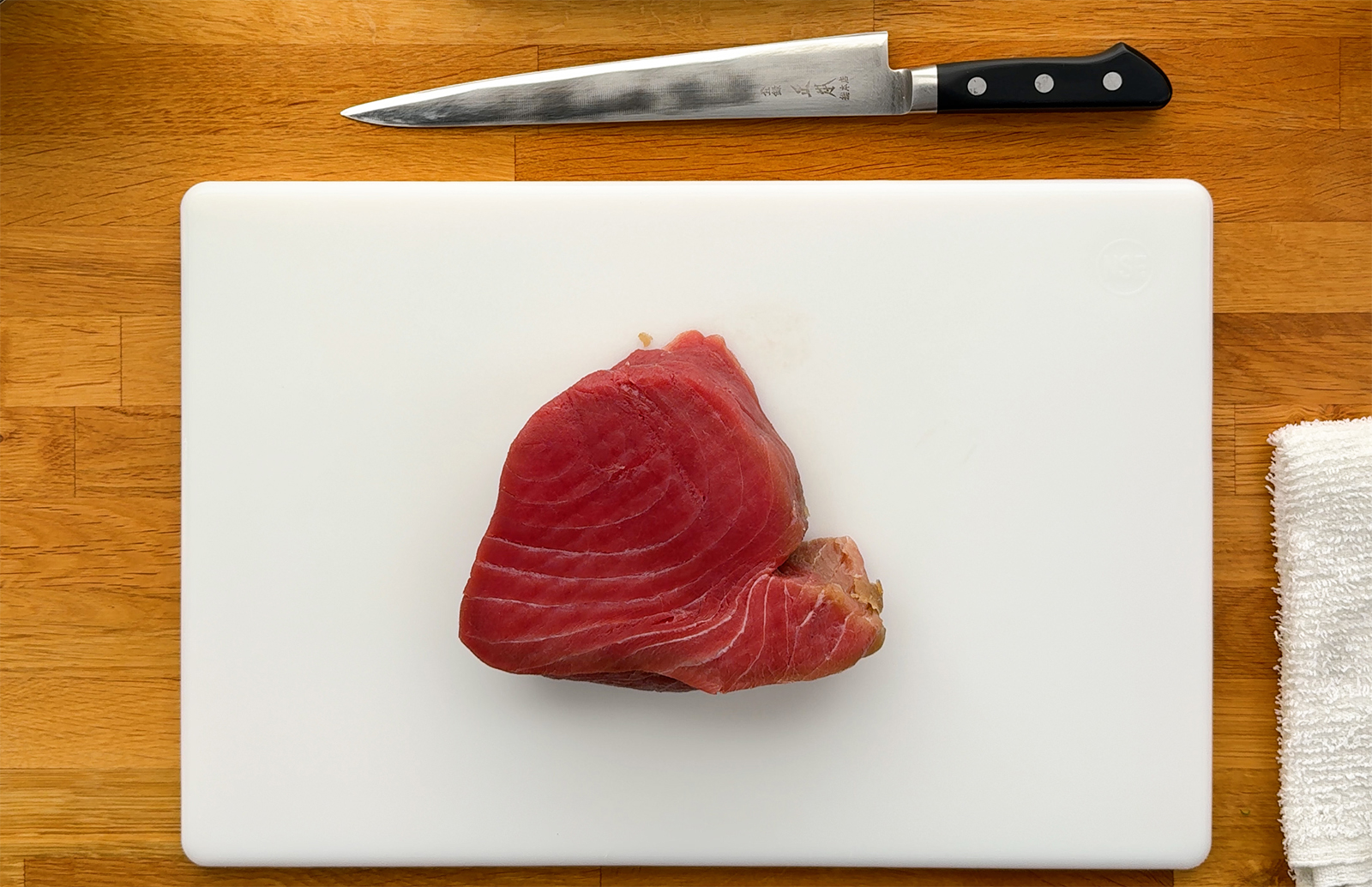
Costco tuna can be a convenient, good-value option for homemade sushi. When I find a piece that checks all the boxes, I don't hesitate to buy it.
It's not going to be a consistent source of premium tuna, and I wouldn't compare it to high-quality yellowfin, bigeye, or bluefin from a trusted specialty supplier. That's really not what Costco is trying to offer.
But if everything still looks and feels right after opening the package, I can make some very respectable sashimi, nigiri, makimono (rolls), or poke out of it.
For beginners, I actually think Costco tuna is a great opportunity to learn how to evaluate fish quality. Slow down, compare the different packages, and remember that finding tuna in stock doesn't mean you have to buy it. Sometimes the best decision is to leave empty-handed and come back another day.
🛒 How to Choose Costco Tuna for Sushi
If there's one thing that'll make the biggest difference when buying Costco tuna, it's learning how to evaluate the fish before you put it in your cart.
You won't be able to smell or touch the tuna in the store, but you can still learn quite a bit from the label and the condition of the fish. I always recommend comparing several packages instead of grabbing the first bright-red piece you see. Sometimes the best-looking piece isn't the one you noticed first.
Check When It Was Packed
Start by checking the date on the label. I pay the closest attention to the pack date because it tells me when the tuna was packaged. I still glance at the sell-by date, but for sushi, the pack date gives me a better starting point.
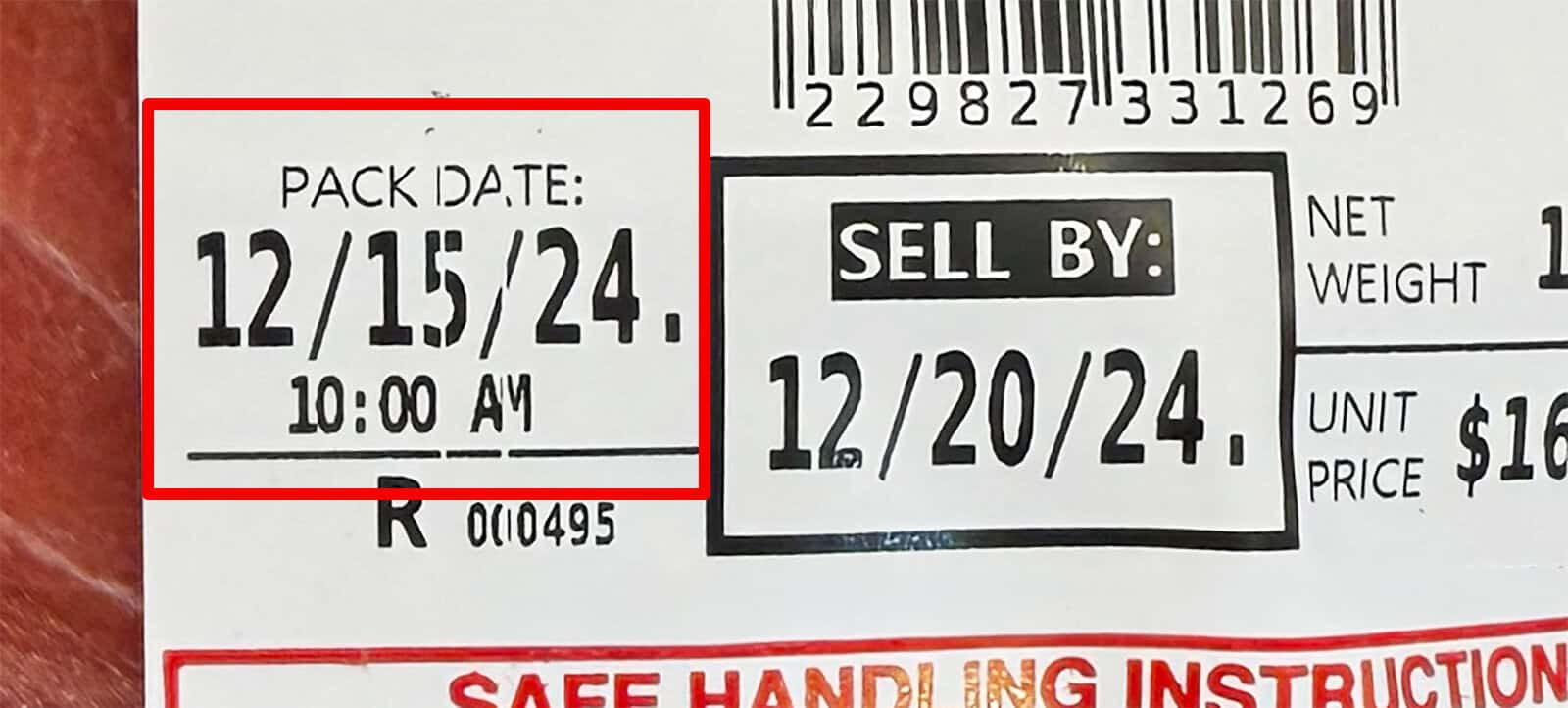
Tuna oxidizes quickly, even while properly refrigerated. If I'm planning to serve it raw, I prefer buying it on the day it's packed and using it that same day whenever possible.
You can also ask the seafood department when the tuna normally arrives or gets packaged, although the schedule will vary by warehouse.
A recent pack date gives me a better starting point. But it doesn't automatically tell me that the fish is suitable for raw use, so I still inspect everything else.
Look Closely at the Color
I generally look for tuna with a deep, rich red color.
Avoid packages with widespread brown, gray, or dull areas. A little darkening along a thin exposed edge can simply be oxidation, but if the whole piece looks discolored, I'd put it back and keep looking.
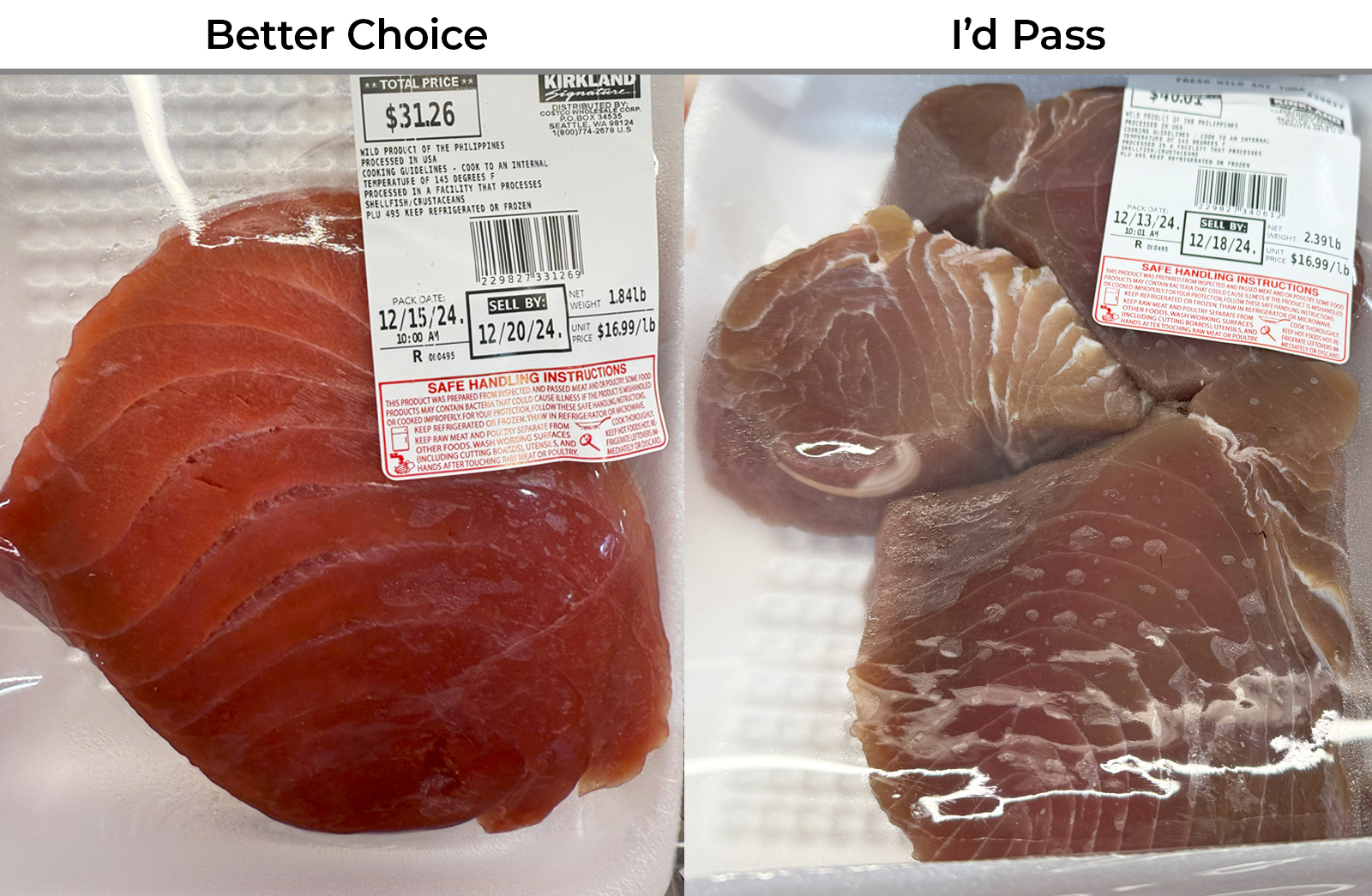
Keep in mind that color is only one clue. The diet and environment of the fish can affect its natural color as well. You'll also probably notice that many frozen saku blocks look much brighter and pinker than fresh tuna because of how they're processed. That's why I never judge a piece of tuna by color alone.
Check the Flesh Quality
Take a look at the surface of the tuna through the plastic. Ideally, the flesh should appear clean and intact, without excessive tearing or areas that look damaged.
You'll probably also notice white lines running through the meat. That's connective tissue, commonly referred to as sinew. Unlike the white lines in salmon, which are mostly fat, these can make sashimi and nigiri a little chewy if they're especially thick.
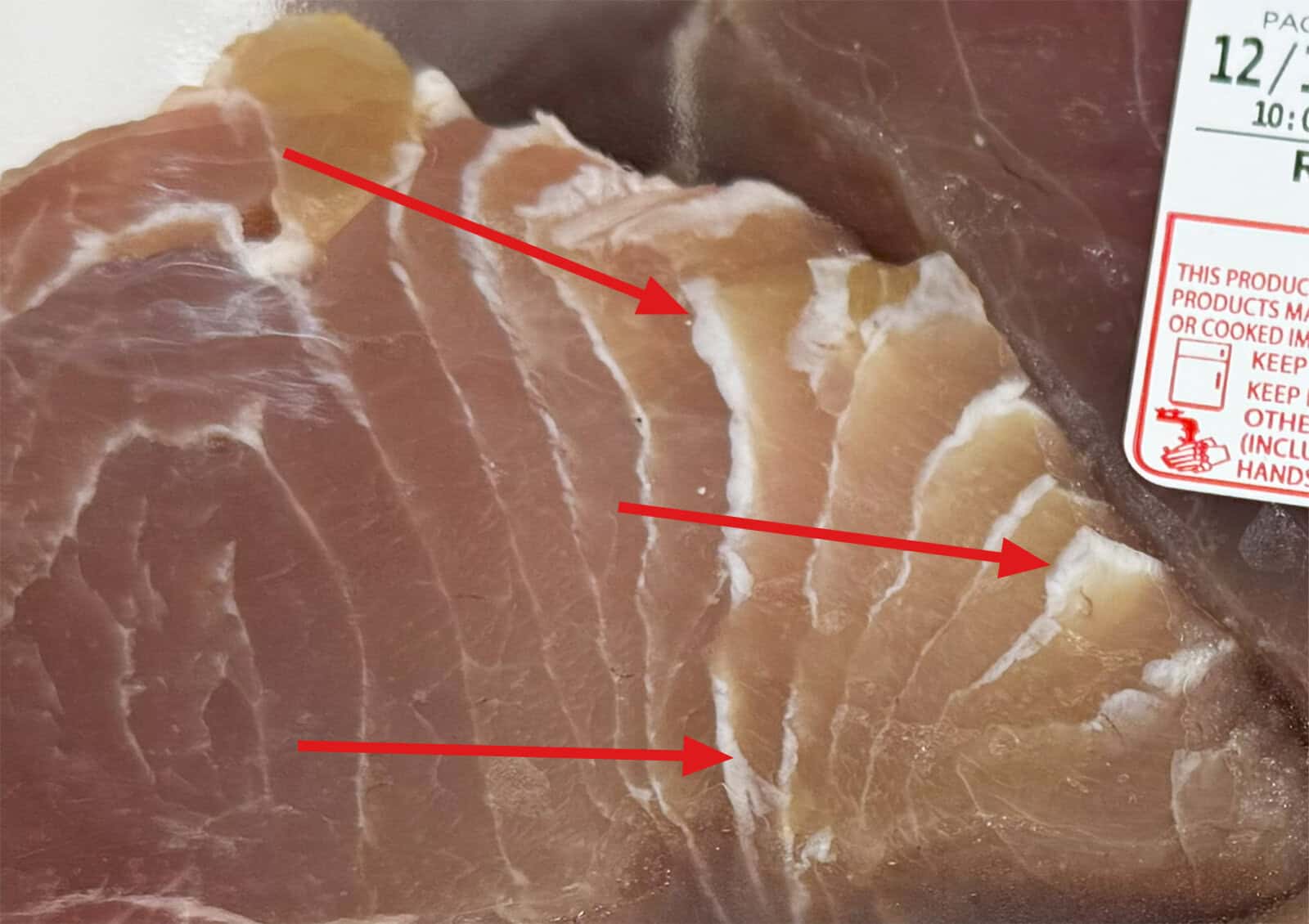
Some sinew is completely normal, but in this case, less is definitely better. I generally look for a piece with large, clean sections and as few thick white lines as possible. It'll make cutting easier and give you more usable meat to work with.
Choose a Larger, Thicker Piece
I generally prefer a larger, thicker cut over several thin or narrow pieces.
A larger piece gives you more flexibility. You can trim away a slightly dry or oxidized edge, divide it into smaller blocks, and still have plenty left for sashimi, nigiri, or whatever else you have in mind.
Shape is just as important as weight. Before putting the package in my cart, I try to picture how I would break it down. Is there a thick section for sashimi? Can I cut a block wide enough for nigiri? Or is most of it made up of thin ends and awkward-shaped pieces?
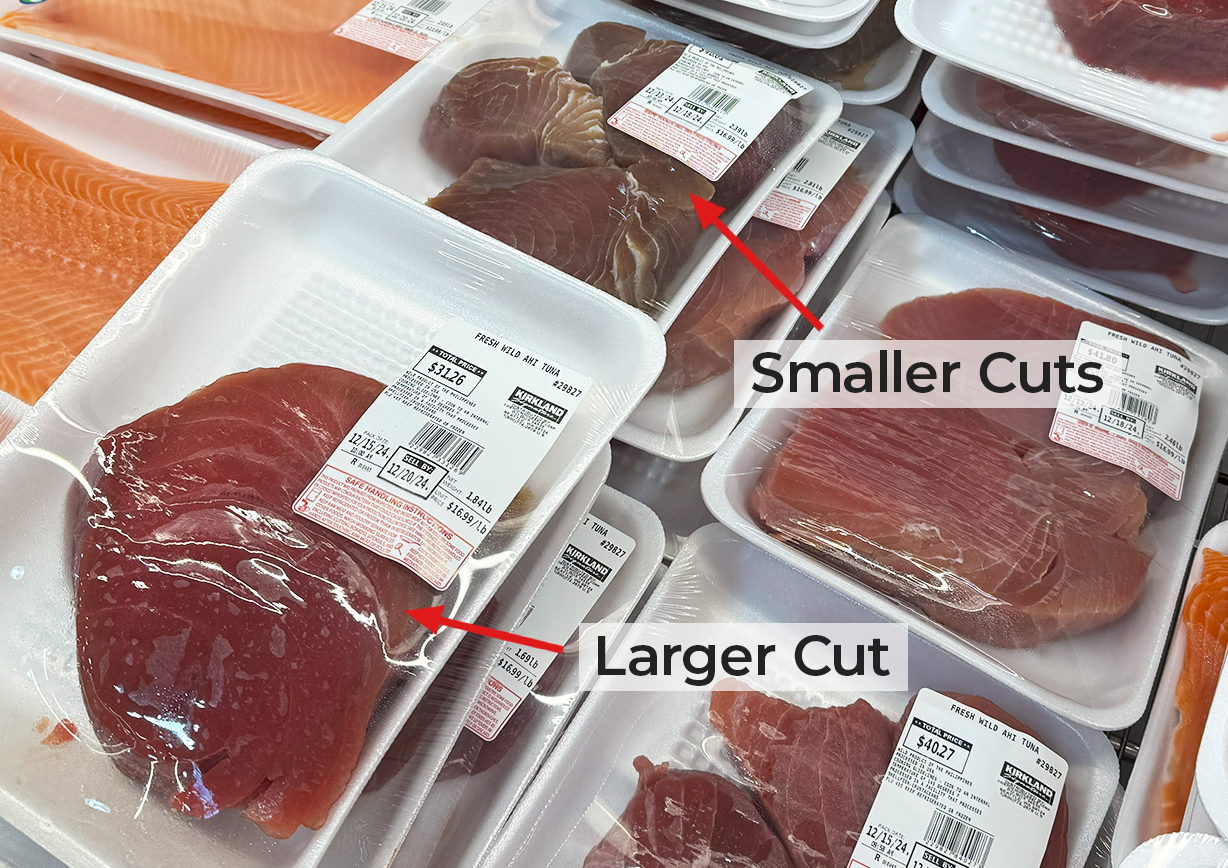
A fairly even piece is simply easier to work with. It'll give you more flexibility once you start cutting and make it easier to get nice-looking results.
Check the Liquid in the Package
One last thing I check is how much liquid has collected in the package.
I prefer tuna with very little liquid in the tray. If there's a lot pooling around the fish, it can be a sign that the fish has been losing moisture and won't have as nice of a texture.
That said, a small amount of liquid is perfectly normal, so compare several packages. If one has clean, firm-looking flesh with barely any liquid while another is sitting in a noticeable puddle, the choice is usually pretty easy.
✅Costco Tuna Buying Checklist
Look for:
- A recent pack date
- Deep, rich red color
- Clean, intact flesh
- Large, thick pieces with plenty of clean meat
- Minimal browning or drying around the edges
- Very little liquid in the tray
- As little thick sinew as possible
Leave it behind if you see:
- Widespread brown, gray, or dull discoloration
- Excessive tearing or damaged flesh
- A noticeable amount of liquid in the tray
- Small or irregularly shaped pieces
- Thick sinew throughout most of the piece
- A package that simply looks worse than the others
🧊 Keep It Cold on the Way Home
Once you buy the tuna, keeping it cold becomes the priority.
I bring an insulated cooler bag into Costco with me. I pick up the tuna near the end of my shopping trip, put it directly into the bag, and then head home.
That prevents me from buying the tuna first and spending another hour wandering through Costco. I’m not saying I’ve never gone in for two things and somehow ended up looking at patio furniture, televisions, and a giant Jenga set on the way, but this is not the time for the full Costco tour.
If the drive is long or the weather is warm, add cold packs or ice. Don't leave the tuna in a warm car while you make more stops.
Once you get home, refrigerate it as soon as possible. This is especially important with tuna because keeping it properly chilled helps prevent histamine from forming.
If you're curious, I've linked the cooler bag and ice packs I personally use below.
🧊 The Cooler Setup I Use
👀 What to Check After Opening the Package
The store inspection can only tell you so much. Once the package is open, I like to give the tuna one more good look before I start cutting. This is when I check the smell, texture, and the side that was resting against the tray.
Smell the Tuna
Fresh tuna should smell clean and mild. You might notice a light ocean-like smell, but it shouldn't smell strongly fishy, sour, rancid, pungent, or like ammonia.
If the smell seems off, I wouldn't take the chance. Return it or discard it.
Check the Texture and Appearance
Give the tuna a gentle press with a clean finger. It should feel firm and spring back slightly. If it feels mushy, sticky, slimy, or unusually soft, that's not a good sign.
Before you start cutting, flip the tuna over and take a look at the side that was resting against the tray. Sometimes you'll notice discoloration or damaged flesh that wasn't visible through the package.
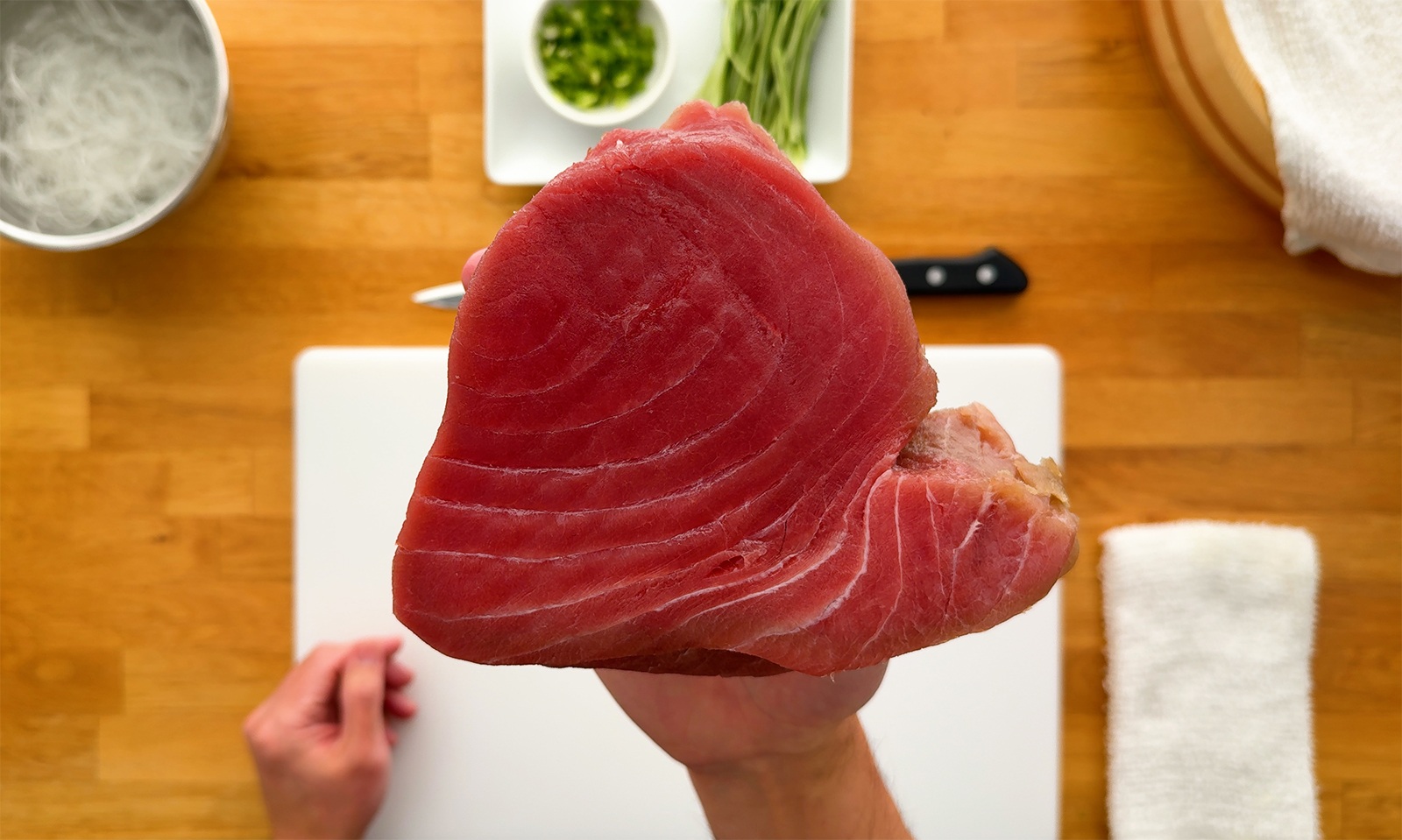
If anything about the smell, texture, or overall appearance makes you hesitate, trust your instincts and don't use it. If the tuna is spoiled, trimming, curing, freezing, or cooking isn't going to fix it.
🔪 How I Prepare Costco Tuna for Sushi and Sashimi
Costco tuna normally comes in an irregular fillet rather than the clean rectangular saku blocks you might find at a Japanese market or specialty seafood supplier.
Before making your first cut, take a minute to study the piece. A little planning goes a long way and will help you get the most out of the tuna.
Pat It Dry and Trim the Exterior
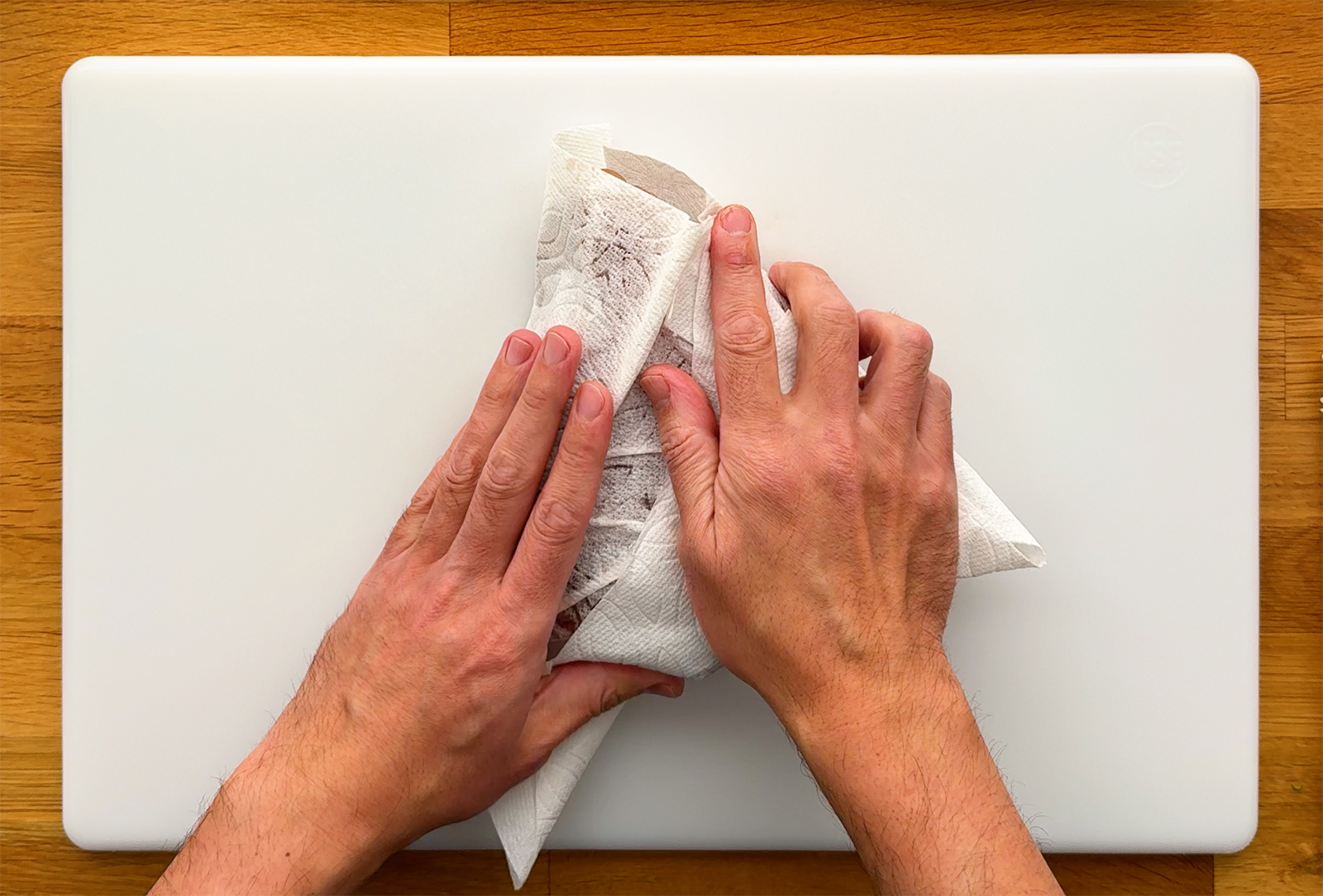
Remove the tuna from the package and gently pat it dry with clean paper towels. This removes excess moisture, gives you a better grip, and helps your knife glide through the fish more cleanly.
Decide How You Want to Use It
Before I make my first cut, I take a minute to study the shape of the fillet and where the sinew runs.
If there's a nice thick section with very little sinew, I'll usually save that for sashimi or nigiri. Parts with more sinew are often better suited for sushi rolls, poke, or spicy tuna.
You're probably not going to get perfectly separated sections like you would with a whole tuna loin, so it's really about making the most of what you have.
Once I've decided how I want to use each section, I break the fillet down into smaller blocks that make sense for what I'm making. As I do that, I'll trim away any dried or oxidized edges, but I don't get carried away with it. Trim conservatively so you don't waste good tuna.
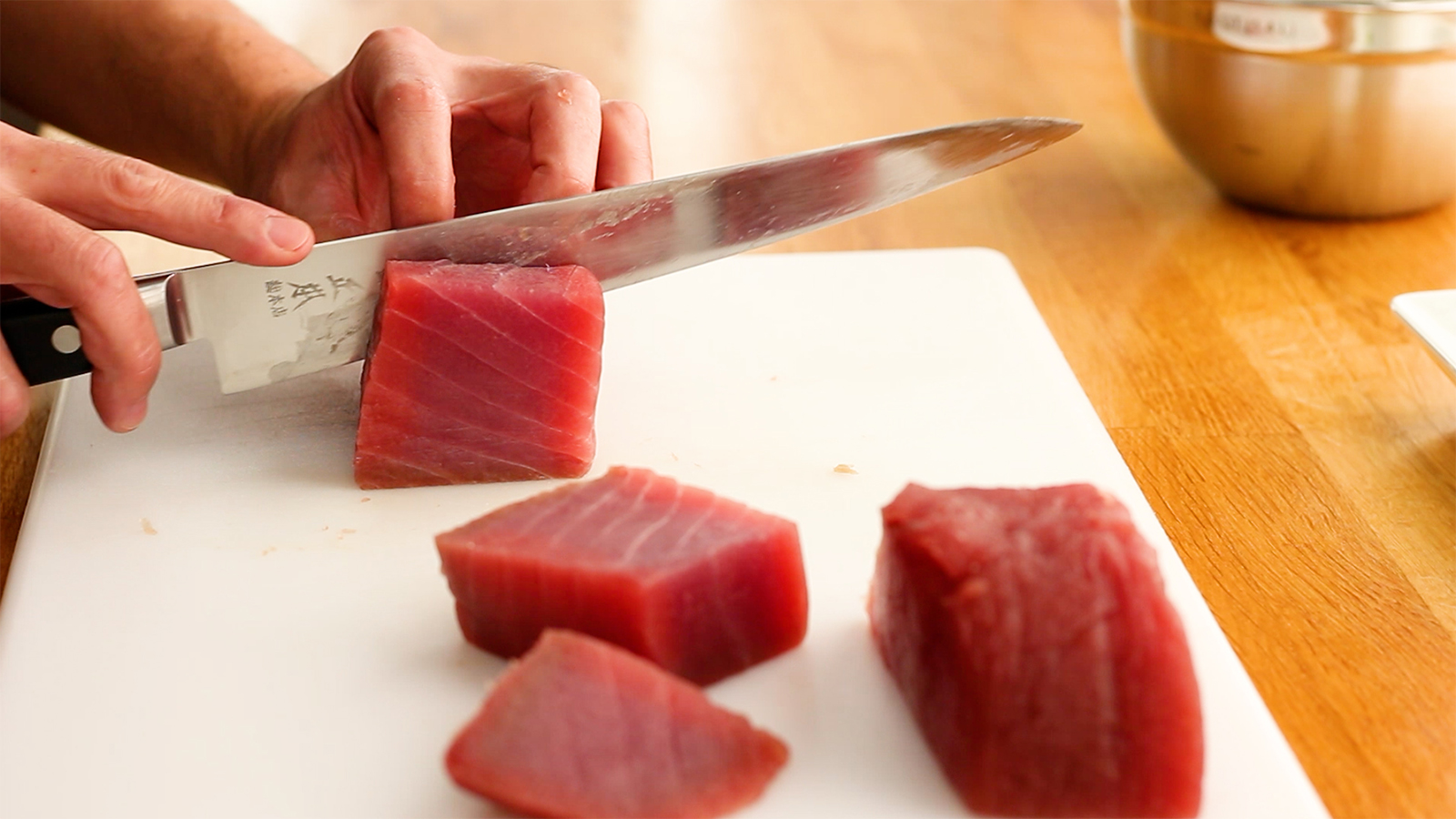
If I come across a particularly thick seam of sinew, I'll trim it out and then scrape any remaining meat away from it with a spoon instead of chopping the whole thing into spicy tuna. The sauce might hide it, but it won't make it any less chewy.
Slice Across the Grain
Once the tuna is divided into smaller blocks, I look closely at the grain of each piece. Whenever possible, I slice across it rather than with it. Cutting across the grain shortens the muscle fibers and gives the tuna a more tender bite.
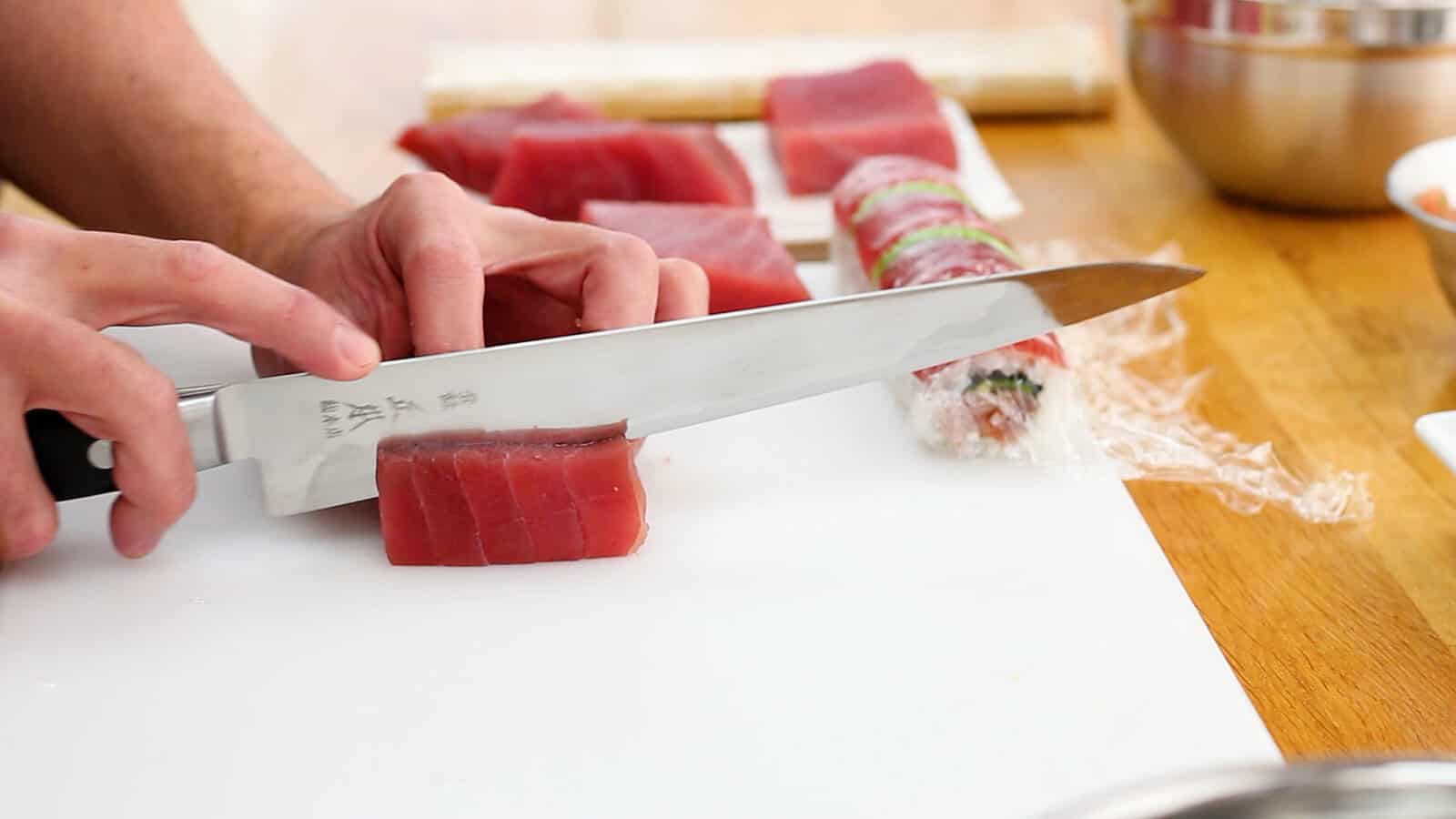
The direction of the grain can change across an irregular fillet, which is another reason I prefer dividing it into smaller sections first.
And of course, use a sharp knife. A dull blade will tear the tuna instead of slicing it cleanly, making it much harder to get nice-looking pieces.
🧂 Should You Cure Costco Tuna?
I normally don’t cure tuna before using it for sushi or sashimi.
Some chefs do use a short dry salt cure. It lightly seasons the tuna, draws out a little surface moisture, and slightly changes the texture.
I've never felt it was necessary for the way I prepare tuna, but that doesn't mean you can't experiment with it. Try curing a small portion and leave another untreated, then compare them side by side.
Think of curing as a flavor and texture preference, not a food safety step. Salt won't make spoiled or questionable tuna safe to eat raw.
🥶 Can You Freeze Costco Tuna?
Tuna can be frozen at home, but it isn’t my preferred plan.
An ordinary household freezer isn't the same as commercial flash-freezing equipment. Unlike salmon, tuna doesn't hold up nearly as well in a home freezer. It tends to lose its bright color and some of its texture, which is why I usually buy only what I plan to use right away.
If you do need to freeze leftovers, make sure the tuna is still in good condition before wrapping it as airtight as possible. Then seal it in a freezer-safe bag, or even better, vacuum seal it if you can. Thaw it slowly in the refrigerator and expect some loss of color and texture.
Remember, freezing preserves the tuna in its current condition. It doesn't improve the quality or make questionable tuna suitable for raw use.
This is probably one of the biggest differences between how I handle Costco tuna and Costco salmon. Unlike tuna, I generally recommend freezing Costco salmon before using it for sushi because it holds up much better in a home freezer. If you'd like to see exactly how I prepare, portion, and freeze Costco salmon, check out my complete Costco Salmon for Sushi and Sashimi guide.
⚖️ Costco Tuna vs. Costco Salmon for Sushi
After working with both Costco salmon and Costco tuna for years, I've learned they require two completely different approaches.
With salmon, I'm usually focused on how I prepare it after bringing it home. I almost always dry salt cure it, and I generally recommend freezing it before using it for sushi.
Tuna is different. Most of the important decisions happen while I'm still standing in front of the seafood case. That's where I decide whether the piece is even worth buying in the first place.
That's why I generally recommend Costco salmon as the easier choice for beginners. In my experience, it's simply been more consistent, while Costco tuna requires a more careful selection.
Of course, taking the time to choose the right piece of salmon is still important. But if I'm comparing the two, salmon rewards good preparation while tuna rewards good selection.
🎯 Final Thoughts
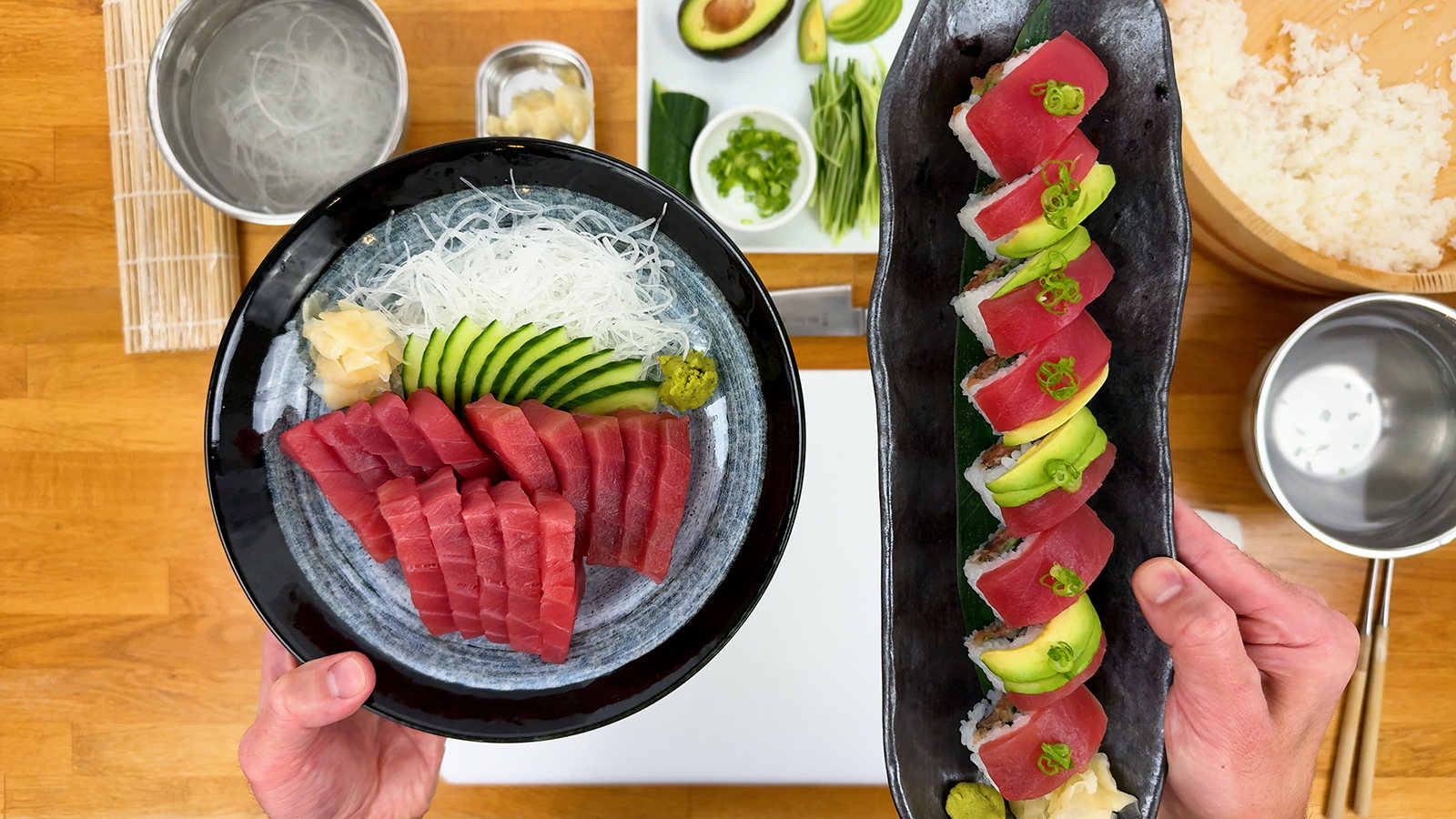
Costco tuna can be a great option for homemade sushi when you choose the right piece. The key is taking your time, comparing the different packages, and choosing one that meets your standards.
My goal wasn't to convince you to use Costco tuna raw or to scare you away from it. It was simply to show you what I look for and how I make that decision for myself. The more you work with fish, the more confident you'll become in making those same decisions. Like anything else, good judgment comes with experience, and every piece you prepare is another opportunity to learn.
I hope this guide helps you feel more confident the next time you're standing in front of the seafood case. And if you do find a great piece, I hope it gives you the confidence to bring it home, prepare it properly, and turn it into some amazing sushi. Because at the end of the day, that's what it's all about.
🍣 Continue Your Sushi Journey
Related Blog Posts
- Costco Salmon for Sushi and Sashimi
- What Does Sushi Grade Actually Mean?
- Best Fish for Homemade Sushi
- How to Make Sushi Rice
- How to Roll Sushi Without a Bamboo Mat
Related Videos
❓Common Questions (FAQ)
Costco doesn't label their fresh ahi tuna for raw consumption, and the packages I've purchased have all recommended cooking it to 145°F. That said, I've personally chosen to use certain pieces raw when they met my standards. That's my personal decision, not a guarantee that every package is suitable.
Costco doesn't label their fresh ahi tuna as sushi grade or intended for raw consumption. "Sushi grade" isn't an officially regulated term, so the lack of that label doesn't automatically mean the tuna can't be used for sushi. At the same time, Costco also isn't specifically marketing it as a product that's intended to be eaten raw.
Not necessarily. According to FDA guidance, yellowfin and bigeye tuna are exempt from the parasite-destruction freezing recommendations, and those are the two species most commonly referred to as ahi. The packages I've purchased have simply been labeled "ahi tuna," though, so they don't confirm the exact species. It's also important to remember that the FDA guidance only addresses parasites. It doesn't guarantee that a particular piece is suitable for eating raw.
I normally don't. A short dry salt cure can slightly change the flavor, texture, and surface moisture, but I've never found it necessary. If you're curious, try curing a small piece and compare it side by side with one that hasn't been cured.
Fresh tuna should smell clean and mild. If it smells strongly fishy, sour, rancid, pungent, or like ammonia, don't use it. It should also feel firm, not mushy, sticky, or slimy, and shouldn't have widespread discoloration or damaged flesh. If something doesn't seem right, trust your instincts and choose another piece.
When I plan to serve it raw, I prefer buying it on the day it's packed and using it that same day whenever possible. Fresh seafood can generally be refrigerated at 40°F or below for up to two days after purchase, but that's a general storage guideline, not a recommendation for sushi or a guarantee that a particular piece is suitable for raw use.
Yes, but I generally don't recommend it unless you have leftovers. Unlike salmon, tuna doesn't hold up nearly as well in a home freezer and tends to lose some of its color and texture. If you do freeze it, wrap it as airtight as possible and thaw it slowly in the refrigerator.

Leave a Reply